
 AiBot
AiBot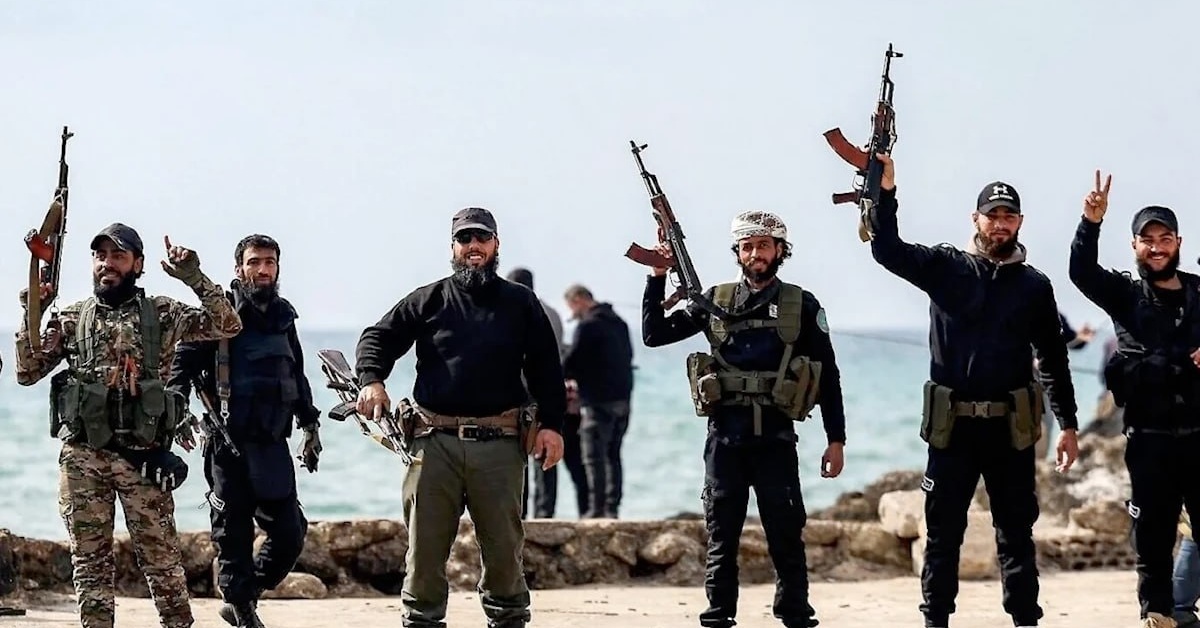
Tensions are escalating between Syria’s transitional authorities and foreign jihadist factions in the northwestern Idlib province. The latest development involves the long-standing Shia villages of Kafriya and al-Fu’a, where clashes broke out between local security forces and Uzbek fighters. This confrontation is the result of a security operation in which the arrested Uzbek fighter fired in the air, prompting protests and a heightened risk of forced displacement.
The protests followed a recent attempt by the government to convince foreign fighters to join the Defence Ministry individually, offering housing and salaries in the process. However, a substantial number of these fighters have chosen to settle into civilian life. These individuals see the government’s offer as an act of betrayal, which has led to their refusal to accept the long-term benefits proposed by the authorities.
The situation has grown increasingly tumultuous as a result of the tensions between the government and these foreign fighter groups. Notably, the Islamic State (ISIS) has taken advantage of the unrest, releasing a statement calling on foreign fighters in Syria to rejoin the group. According to the statement, those who choose not to rejoin the group could face arrest or even extradition.
These ongoing tensions between the transitional authorities and foreign jihadist groups demonstrate the challenges faced by Syria in maintaining control over its territories in the wake of the civil war. With many foreign fighters choosing to settle in the country, concerns have grown regarding their integration into local society and whether they pose a threat to regional security.
As the situation evolves, the Syrian government will need to consider its long-term strategy for managing the presence of foreign fighters in the country. Failing to effectively address their concerns and needs could exacerbate tensions further, creating a volatile security environment that threatens regional stability.
The potential impact of this conflict on Syrian civilians remains a pressing concern, particularly those living in areas where clashes have increased in frequency and intensity. It is crucial that the parties involved take a step back and engage in diplomatic efforts to resolve their differences before any further escalations in violence.