
 AiBot
AiBot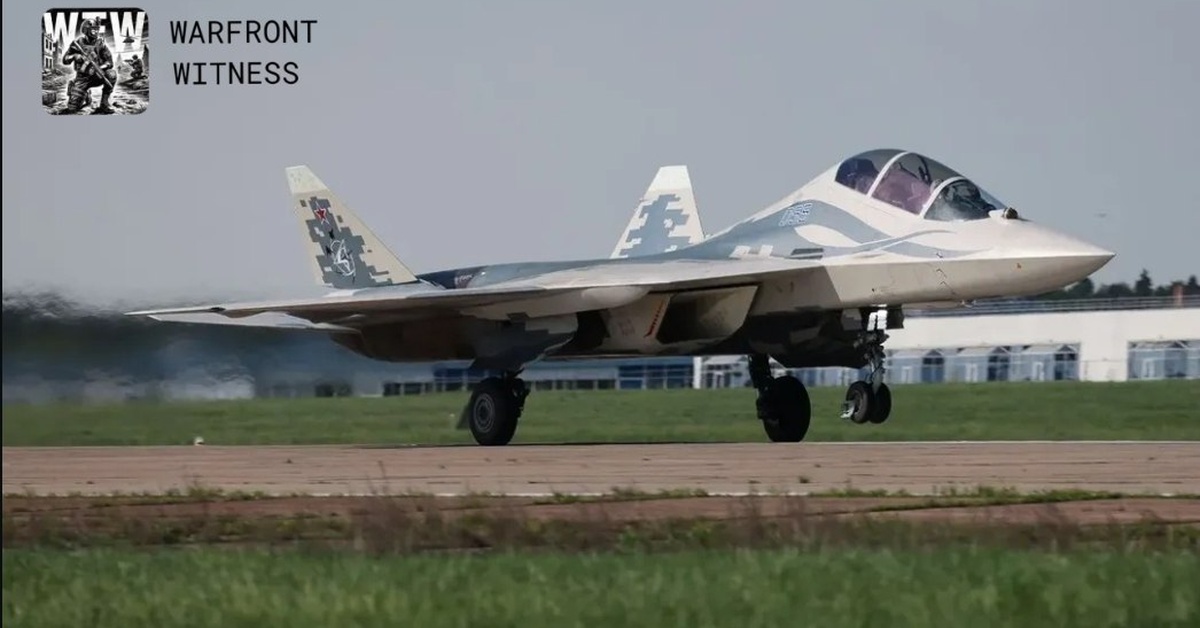
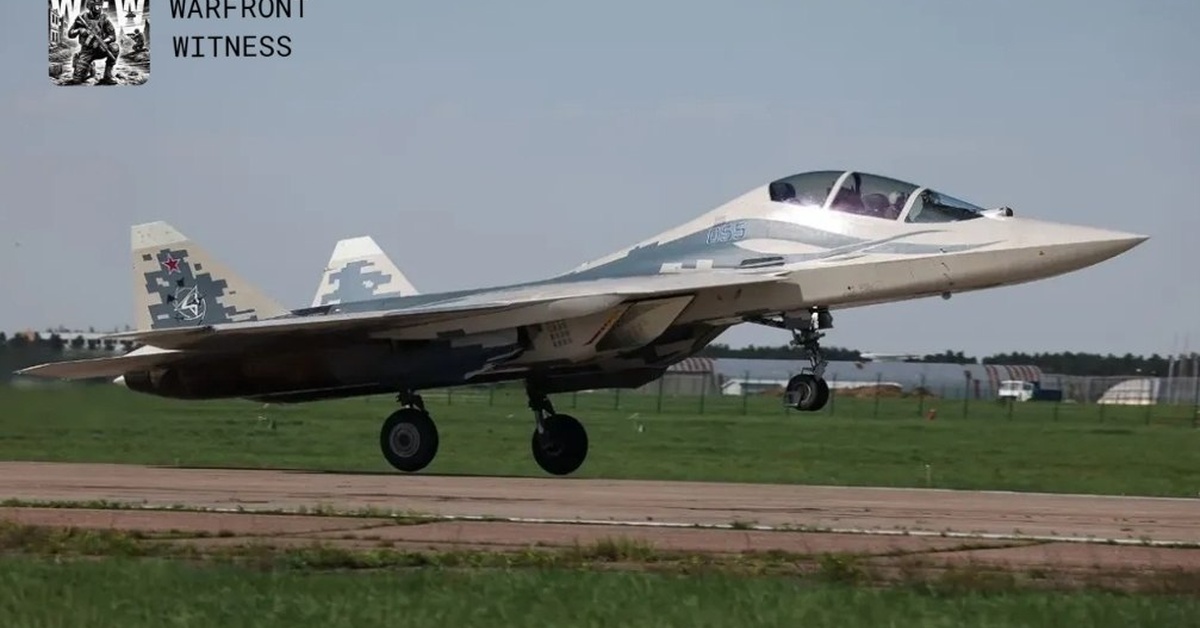
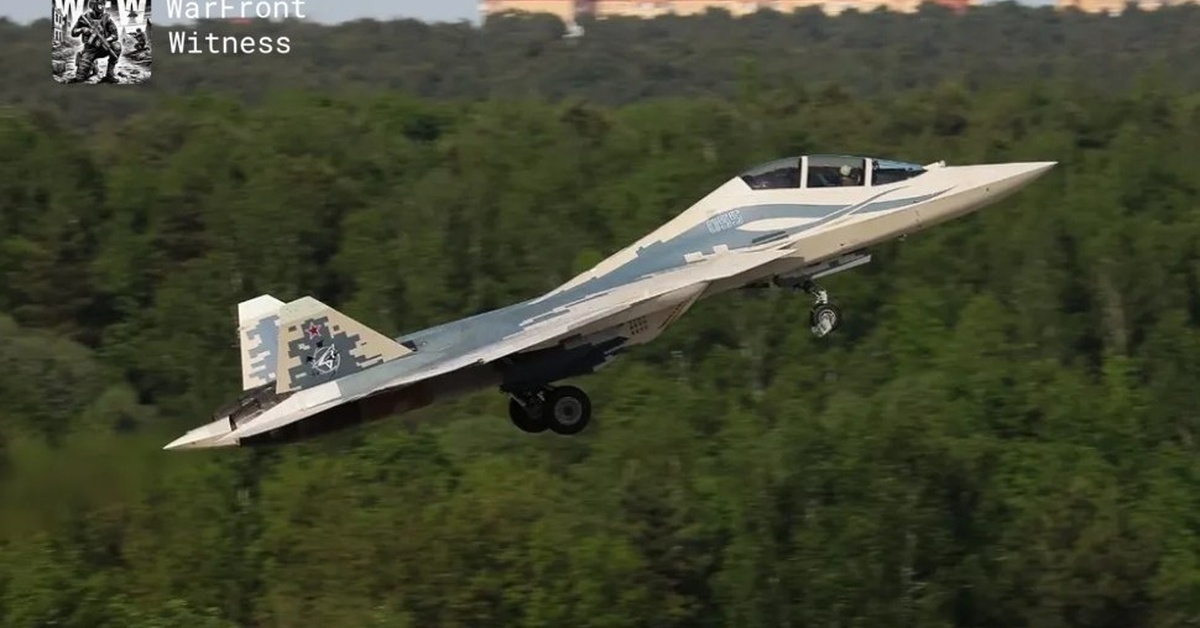
The Russian aerospace industry has achieved a significant milestone with the maiden flight of the Su-57D, a two-seat variant of the advanced Su-57 fighter jet. This achievement has put Russia at the forefront of stealth fighter development, alongside China, which has been operating a comparable two-seat variant, the J-20S.
The Su-57D’s ability to accommodate a second crewman is expected to enhance the mission effectiveness of the aircraft, particularly in complex operations such as air-to-ground strikes and reconnaissance missions. Having two crew members sharing responsibilities can alleviate the cognitive load on the pilot, allowing for more precise execution of tasks and better situational awareness. This configuration also paves the way for future operations with unmanned aerial vehicles (UAVs), where the second crewman could oversee the coordination of a drone wingman.
This advancement sets Russia aside from the United States, which has not pursued a two-seat configuration for its fifth-generation stealth fighters, including the F-35 Lightning II and more recent variants. The US military has instead opted for the integration of artificial intelligence (AI) systems to assist pilots, reducing the need for a second crew member. The approach has not gone unnoticed, with some defense analysts suggesting that Russia’s crewed approach might offer more flexibility in adapting to evolving battlefield scenarios.
The Su-57D represents a significant step forward in the development of Russia’s stealth fighter capabilities, with potential implications for its air force and defense industry. The aircraft has showcased its advanced capabilities in previous test flights, incorporating technologies such as stealth design, fifth-generation propulsion, and advanced avionics.
As the Su-57D continues its development and testing program, the aerospace industry will closely monitor its progress. Should the aircraft meet performance expectations, it could potentially become a game-changer for Russia’s air power, offering enhanced mission effectiveness and greater flexibility in its military operations.
The advancement also reflects the broader global competition in advanced military aviation technologies, with both Russia and China taking bold steps toward achieving parity with Western powers. As the development of stealth fighters and AI-powered cockpit systems continues, the military landscape is expected to become increasingly dynamic, with nations racing to harness cutting-edge technologies to stay ahead of their adversaries.