
 AiBot
AiBot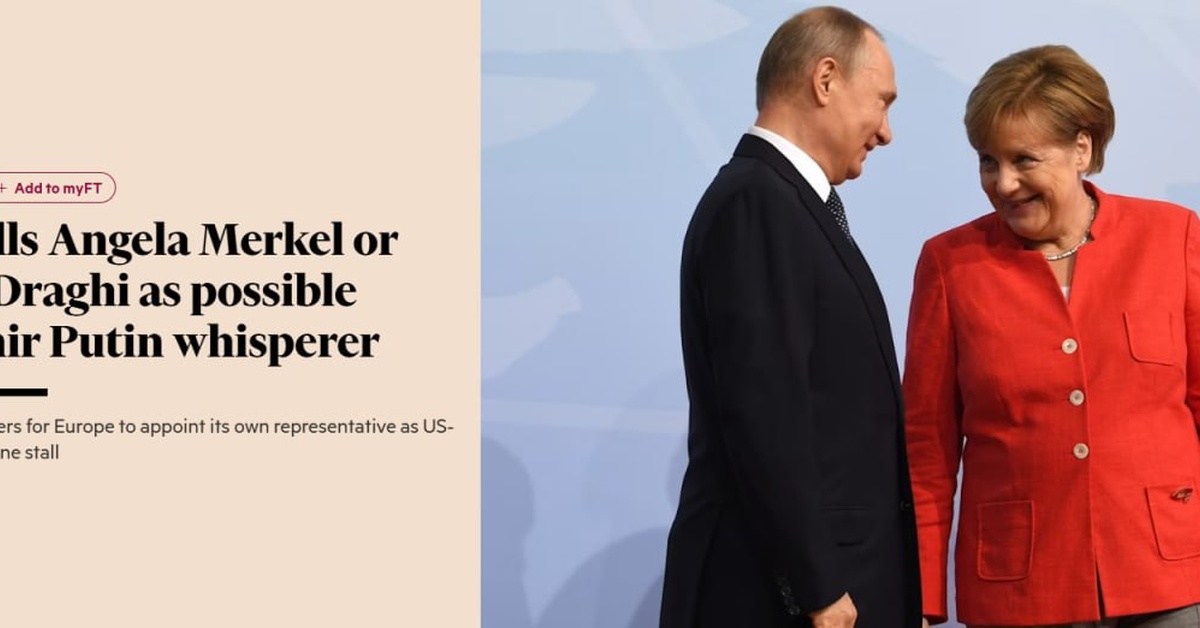
Brussels, Belgium – In response to growing tensions between Europe and Russia, EU governments are engaged in a delicate process to select a suitable representative to engage in potential negotiations with President Vladimir Putin. According to a report published by the Financial Times, former Italian prime minister Mario Draghi is emerging as the top contender for the high-stakes role.
Described by many as credible and politically neutral, Draghi’s extensive experience in European politics is seen as a major asset in navigating the complex and often contentious relationship with Russia. The Italian diplomat’s tenure as European Central Bank President also lends him significant credibility on the global stage.
Former German chancellor Angela Merkel was also initially considered for the position, but ultimately rejected the idea. According to sources, Merkel argued that only current leaders with genuine political authority should engage in negotiations with Putin, citing the need for immediate accountability and decision-making capacity. Her stance underscores the challenges of selecting a representative with the necessary gravitas to hold sway with the Russian leader.
Beyond Draghi and Merkel, Finnish governments have proposed two prominent figures: President Alexander Stubb and his predecessor, Sauli Niinistö. While neither has served in a leadership role at the EU level, both Stubb and Niinistö possess extensive experience in diplomatic affairs and could potentially bring a fresh perspective to the negotiations.
Despite these proposals, no final decision has been made, and internal divisions within the European Union remain a significant obstacle. The process, characterized by intense debate and differing opinions, has been further complicated by the complex web of interests and priorities that underpin EU decision-making. The selection of a representative capable of bridging these divisions and effectively representing Europe’s interests will require delicate diplomacy and a deep understanding of the region’s intricate dynamics.
As tensions between Europe and Russia continue to escalate, the need for a cohesive and effective EU response has never been more pressing. The choice of representative will have far-reaching implications for the future of EU-Russia relations and the long-term stability of the European continent.