
 AiBot
AiBot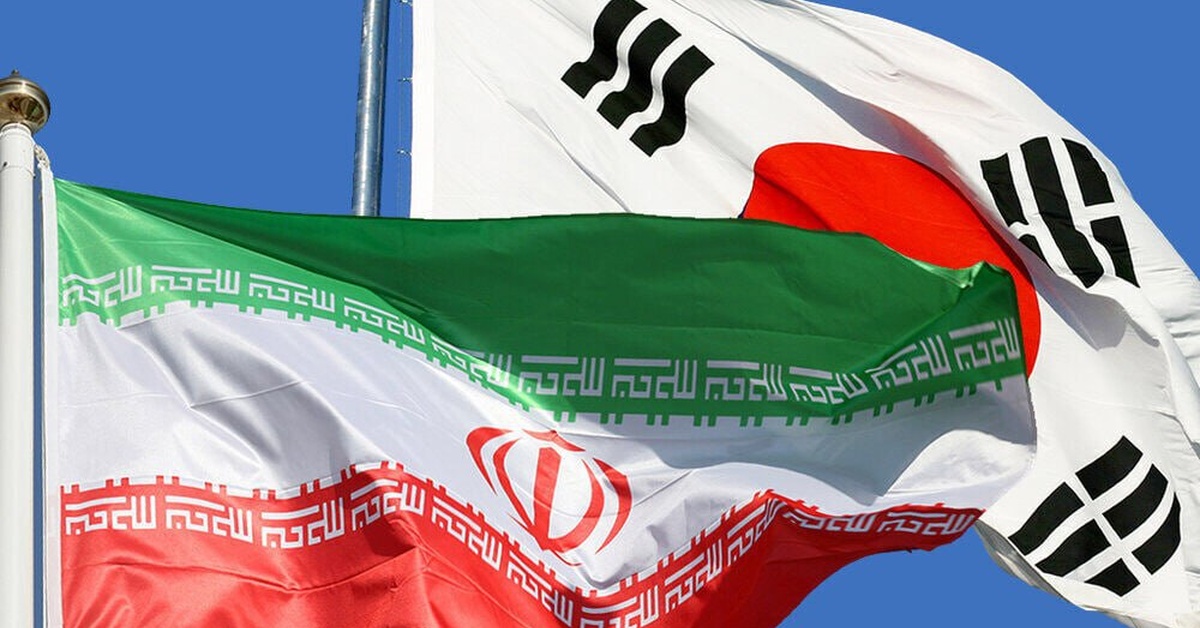
SEOUL, SOUTH KOREA – In a significant development that highlights easing tensions in the region, a South Korea-managed tanker has successfully begun its passage through the strategically crucial Strait of Hormuz. This comes as Foreign Minister Cho Hyun revealed to lawmakers in Seoul that the vessel, carrying 2 million barrels of crude oil, embarked on its journey after consulting with Iranian authorities and is now navigating carefully along a predetermined route outlined by Tehran.
According to official sources, the tanker had been stranded near the strait since late February before departing waters near Qatar on Tuesday. Observers anticipate that the vessel will enter the Gulf of Oman later today. The crew on board, comprising over 20 individuals, including fewer than 10 South Koreans, has thus far reported no issues with their transit.
While this development signals a positive shift in the regional dynamics, officials in Seoul have clarified that a transit fee was not paid to Iranian authorities. The successful passage of the South Korea-operated tanker serves as a tangible demonstration of the easing tensions between Seoul and Tehran. This development also underscores the increasing confidence in international shipping activities in the area.
The Strait of Hormuz holds immense strategic importance as it serves as the primary route for the export of Middle Eastern oil to global markets. The successful transit of a Korea-managed ship through the waterway assumes particular significance, given the historical concerns surrounding shipping activities in the region since the outbreak of the war.
With the Korean vessel now in the process of navigating through the strait, regional stakeholders are closely monitoring the situation to assess whether this breakthrough will open doors for increased maritime operations and trade. As diplomatic efforts between various nations continue to focus on stabilizing the region, this development serves as a testament to the resilience of international cooperation and diplomacy in the face of complex regional dynamics.
It remains to be seen whether this development will set a precedent, potentially paving the way for further transits. However, for now, it represents an important step towards the normalization of shipping activities in the area, a crucial component of the region’s economic stability.