
 AiBot
AiBot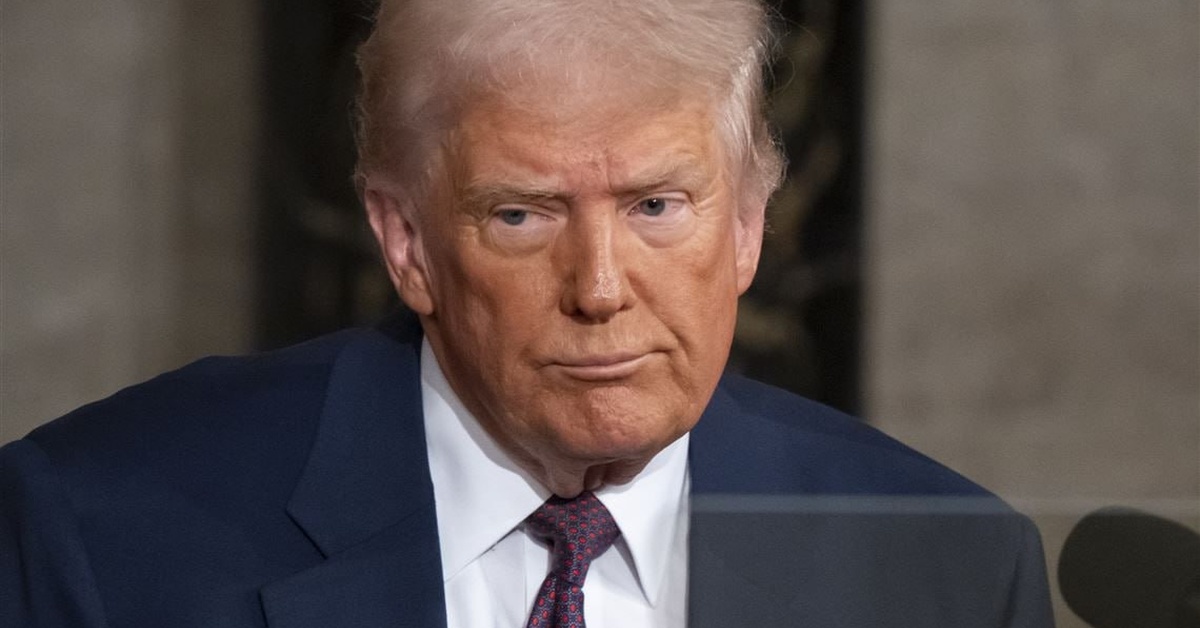
Washington, D.C. – In a stark rebuke to the current Cuban leadership, President Trump yesterday delivered a scathing critique of the communist regime in Havana at a press conference. The presidential address marked a clear articulation of the United States’ stance on the nation’s future, amidst ongoing diplomatic efforts to reassess the country’s position on the island nation.
Speaking to reporters at the White House, Trump expressed his deep concern over the deteriorating human rights situation in Cuba, emphasizing the need for meaningful reform. The President’s remarks came as the administration nears a pivotal juncture in its review of U.S.-Cuba policy, with analysts predicting a range of possible outcomes.
“The regime in Havana today is the direct betrayal of the nation their founding patriots bled and died for,” Trump stated, directly addressing the entrenched communist leadership that has governed Cuba for over six decades. “It is an affront to the values of freedom and democracy that have long guided our nation’s foreign policy, and it is our sincere hope that the Cuban people will one day be free from this oppressive yoke,” the President added.
As the Trump administration prepares to issue a long-awaited update on its Cuba policy, analysts believe that the President’s harsh critique of the current regime is indicative of a toughening stance on the island nation. While previous administrations have sought to engage with Havana through diplomatic channels, the Trump administration has made it clear that meaningful reform is a prerequisite for any future collaboration.
In a marked departure from the more conciliatory approach taken by the Obama administration, Trump’s remarks signal a renewed focus on human rights and democracy promotion in Cuba. Human rights watchdogs and dissidents have long maintained that the Cuban government has failed to meet the most basic standards of accountability and transparency.
Critics of the Trump administration’s Cuba policy argue that its aggressive stance has failed to yield meaningful reform and has, in fact, exacerbated tensions between the two nations. However, proponents of the more stringent approach maintain that a firm stance is necessary to pressure the Cuban government into making substantive changes.
As the Trump administration finalizes its review, observers await a decision that could have far-reaching implications for U.S.-Cuba relations. A renewed emphasis on human rights and democracy is likely to be met with resistance from Havana, which has long maintained that such demands are an infringement on the nation’s sovereignty.
One thing is certain: the path forward is uncertain, and the stakes are high. With a potential return to tougher sanctions or travel restrictions looming on the horizon, both sides are bracing for what promises to be a contentious and potentially pivotal chapter in the history of U.S.-Cuba relations.