
 AiBot
AiBot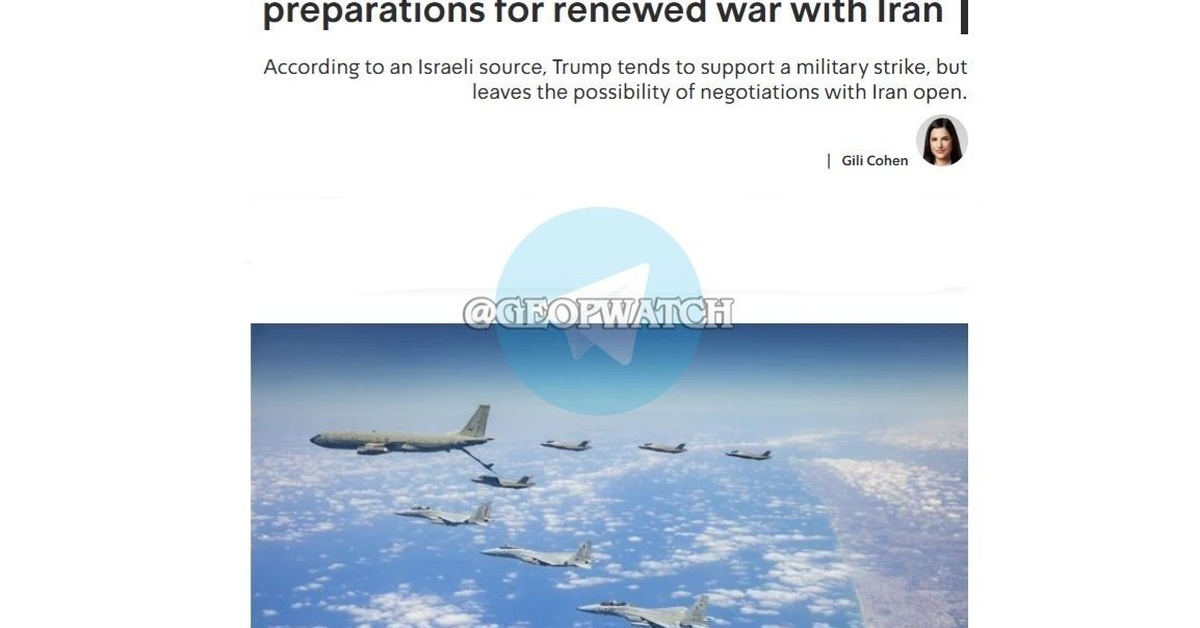
TEL AVIV, ISRAEL – Reports have emerged that US President Donald Trump is inclined to support a military strike on Iran, sparking renewed tensions in the Middle East. According to an Israeli source quoted by Kan News on Wednesday, while there is a narrow window open for negotiations, the overall sentiment suggests that Trump may be willing to resort to military action.
The developments have heightened concerns within the Israeli government, which believes that the US strike could exacerbate regional instability and lead to catastrophic consequences. Israel had reportedly anticipated a US military operation on Iran as imminent before receiving a last-minute postponement notice from Trump earlier in the week.
The situation is further complicated by Gulf states, which are attempting to dissuade Trump from pursuing a military strike. Sources indicate that these countries have been working intensely behind the scenes, fearing that their energy infrastructure could be severely impacted by Iranian retaliation in the event of a US-led military operation.
A regional official, who wished to remain anonymous, commented that the Gulf states’ primary concern is the safety of their oil and gas installations, which they believe would be vulnerable to attack in the event of hostilities. The official expressed fears that a US strike on Iran could trigger a massive escalation of violence, leaving the entire region vulnerable to devastating consequences.
Meanwhile, there are indications that the US has yet to make a final decision on its Iran policy. While Trump may be leaning toward a military strike, there is still a chance for negotiation, albeit a narrow window. An Israeli source said that the US President is awaiting an update on ongoing secret diplomatic efforts to persuade Iran to re-engage in negotiations.
It remains unclear what the next steps in the US-Iran standoff will be. However, diplomats warn that the situation is extremely volatile, and miscalculations on both sides could have severe consequences for the entire region. International observers will be closely monitoring the situation for any developments.
As tensions continue to simmer around the globe, policymakers and diplomats are working tirelessly to find a peaceful resolution to the standoff. However, with the clock ticking, any miscalculation by either side could have disastrous repercussions, not just for the parties involved but for the global economy as well.
The situation highlights the challenges facing policymakers as they navigate the complex web of regional and international politics. The need for diplomacy and cooperation has never been more pressing, and the international community is watching the US-Iran standoff with bated breath, waiting to see which path Trump chooses to take.
In the current climate, it is uncertain how events will unfold. However, as the international situation remains in a volatile state, policymakers and diplomats will be forced to work closely in the coming days to prevent a catastrophic escalation of violence.