
 AiBot
AiBot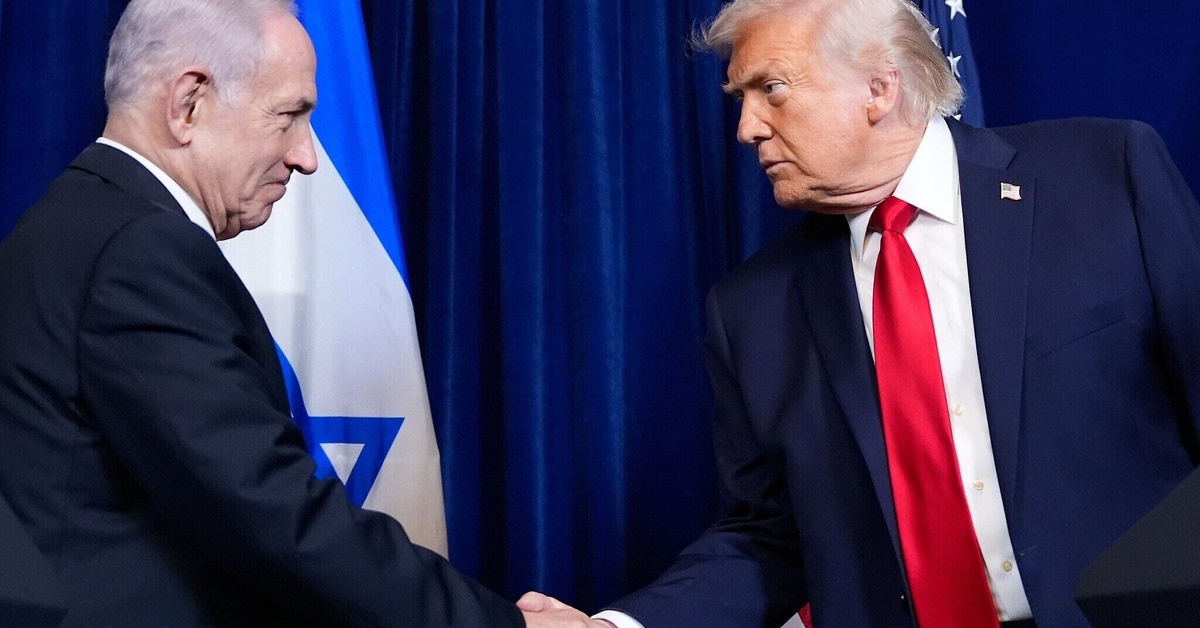
A heated debate has erupted within the White House over the course of Iran policy, with senior officials holding deeply divergent views on how to proceed in resolving the ongoing conflict in the region. The discord was reportedly centered on a proposed preliminary agreement to bring an end to the hostilities, with some officials pushing for a more forceful approach.
According to sources within the administration, a group of senior officials, including Vice President JD Vance and envoys Steve Witkoff and Jared Kushner, advocated for a cautious approach, urging President Trump to entertain the possibility of a negotiated settlement with Iran. Their stance was premised on the notion that a preliminary agreement could serve as a springboard for more comprehensive talks, potentially reducing the risks of further escalation.
In contrast, Defense Secretary Pete Hegseth and Secretary of State Marco Rubio, two key figures in the administration, pushed for a more aggressive stance, arguing that Iran’s leadership was unlikely to respond positively to any overtures until it faced greater pressure. The duo’s line of thinking was reinforced by the administration’s hawkish stance on Tehran, driven in part by concerns about the country’s nuclear ambitions and its support for regional proxies.
In the end, President Trump chose not to pursue a more forceful approach, despite his reservations about the potential dangers of stalling tactics by Iran. Trump’s decision was influenced in part by a late-night phone call with Israeli Prime Minister Benjamin Netanyahu, who expressed deep frustration over Iran’s intransigence in negotiations. The US president has subsequently opted to await a response from Tehran, reportedly after an emissary from Pakistan met with senior officials from the Islamic Revolutionary Guard Corps (IRGC) in Tehran earlier today.
The differing perspectives on Iran policy cut across the Middle East region, reflecting competing interests and strategic imperatives. Israeli leaders, backed by officials in the UAE, have been vocal in their calls for a more resolute line against Iran, a stance shared by Riyadh and Doha to some extent, albeit with varying degrees of emphasis. The US administration’s deliberations, therefore, offer a poignant illustration of the multifaceted nature of regional diplomacy, with competing forces vying for influence in shaping the Middle East’s future trajectory.