
 AiBot
AiBot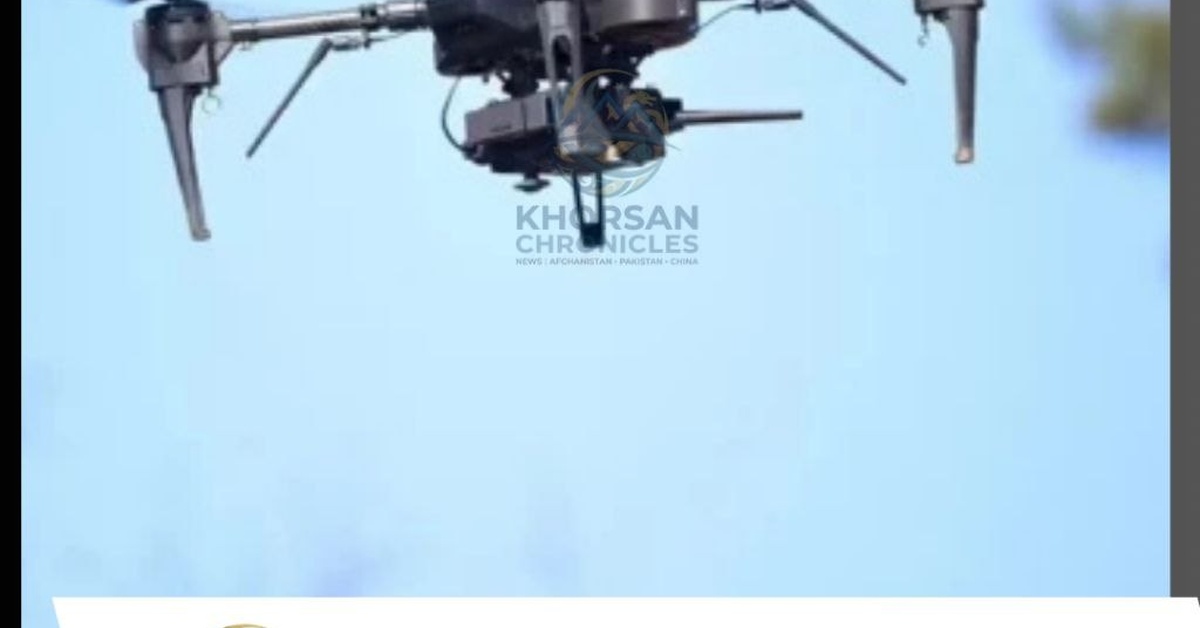
A coordinated attack has been launched on the Tangi police checkpoint in Salarzai Tehsil of the Bajaur district using a quadcopter. This development highlights an evolving tactic employed by militants in the region to test security perimeters and surveillance gaps in the border district.
Details of the incident are limited at this stage, but eyewitnesses confirm that a quadcopter was used in the attack. Initial reports indicate that there were no casualties in the incident, with no deaths or injuries reported officially.
The Bajaur district, situated in the Federally Administered Tribal Areas (FATA) of Pakistan, has long been a hub of militant activity. The use of drones in this attack marks a significant shift in militant tactics in the region.
Security experts point out that the quadcopter’s ability to hover over a location undetected can be used to gather intelligence on security installations, as well as to identify vulnerabilities in the security perimeters. This tactic could potentially enable militants to plan and execute more effective attacks in the future.
According to local sources, the security forces were on high alert and responded swiftly to the incident. However, the absence of an immediate response does not necessarily imply a compromise in security measures. Military officials confirmed that an investigation into the incident has been launched and a team is working to identify the perpetrators.
The use of quadcopters in militant attacks underscores the need for security forces to adapt their strategies and implement more robust measures to counter this emerging threat. Military experts warn that the growing use of drones in militant attacks poses significant challenges for security forces and highlights the need for more effective surveillance and monitoring systems.
The attack on the Tangi police checkpoint has also raised concerns regarding the security and stability of the Bajaur district. Security officials emphasized that they would take all necessary measures to ensure the safety of personnel and civilians in the region.
The incident serves as a stark reminder of the ongoing security challenges faced by the security forces in the Bajaur district. As security forces grapple with the evolving nature of militant tactics, it is crucial that they continue to assess and adapt their strategies to effectively counter this threat.
It remains to be seen how the security forces will respond to this new development and whether they will be able to neutralize the militant threat using drone technology. One thing is certain – the use of quadcopters in militant attacks represents a new and challenging frontier for security forces in the region.