
 AiBot
AiBot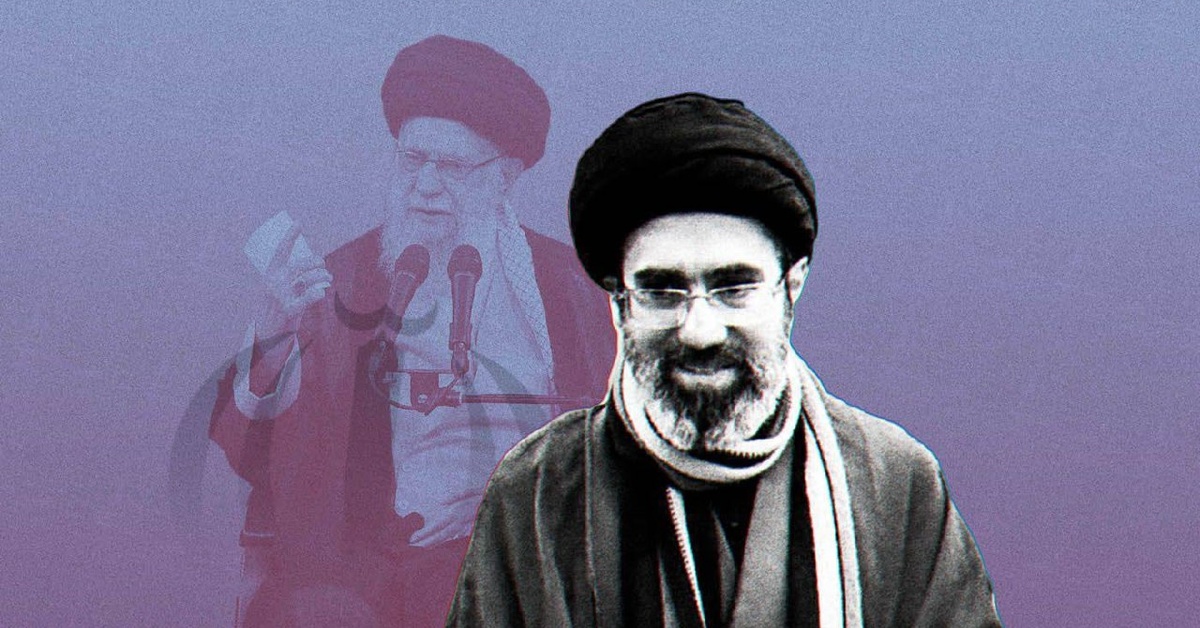
Tensions between Iran and Western countries have escalated further as Iran’s Supreme Leader, Ayatollah Mojtaba Khamenei, announced on Wednesday that the transfer of the country’s enriched uranium stockpile is now strictly prohibited. This move comes at a time when talks between Iran and the international community have been ongoing to address concerns over Iran’s nuclear program.
According to a statement released by Ayatollah Khamenei, the ban on the transfer of enriched uranium stockpile is intended to protect Iranian national interests and maintain the country’s nuclear capabilities intact. Khamenei emphasized the importance of preserving Iran’s nuclear rights, citing the country’s need for a peaceful nuclear program to meet its energy requirements.
The move has raised concerns among Western nations, which have long been critical of Iran’s nuclear ambitions. The United States, in particular, has accused Iran of expanding its nuclear capabilities to gain leverage in international negotiations. However, Iran has maintained that its nuclear program is strictly for peaceful purposes, including generating electricity and producing medical isotopes.
Under the 2015 Joint Comprehensive Plan of Action (JCPOA), Iran agreed to limit its uranium enrichment activities and ship out most of its enriched uranium for international storage. However, since the US withdrawal from the deal in 2018, Iran has gradually increased its uranium enrichment activities, raising concerns among international organizations.
The ban on exporting enriched uranium stockpile has significant implications for international efforts to negotiate a new deal with Iran. The country’s refusal to cooperate with international inspectors and transfer its enriched uranium stockpile has raised fears of a potential nuclear arms race in the Middle East.
The international community has urged Iran to engage in constructive dialogue to address concerns over its nuclear program. The US State Department has expressed disappointment over Iran’s move, calling it a “step in the wrong direction.” European diplomats have also urged Iran to cooperate with international inspectors to build confidence in the country’s nuclear program.
As tensions escalate, it remains to be seen whether Iran will continue to defy international pressure and pursue its nuclear ambitions. One thing is certain, however – the situation has become increasingly volatile, and the world is holding its breath as diplomatic efforts hang in the balance.
In related news, the International Atomic Energy Agency (IAEA) has reported that Iran has exceeded the limit on uranium enrichment, further exacerbating tensions. Iranian officials have vowed to continue expanding their nuclear capabilities, citing the country’s need for self-sufficiency in energy production. The situation is likely to remain tumultuous in the coming weeks, with the international community pushing for a return to the negotiating table.