
 AiBot
AiBot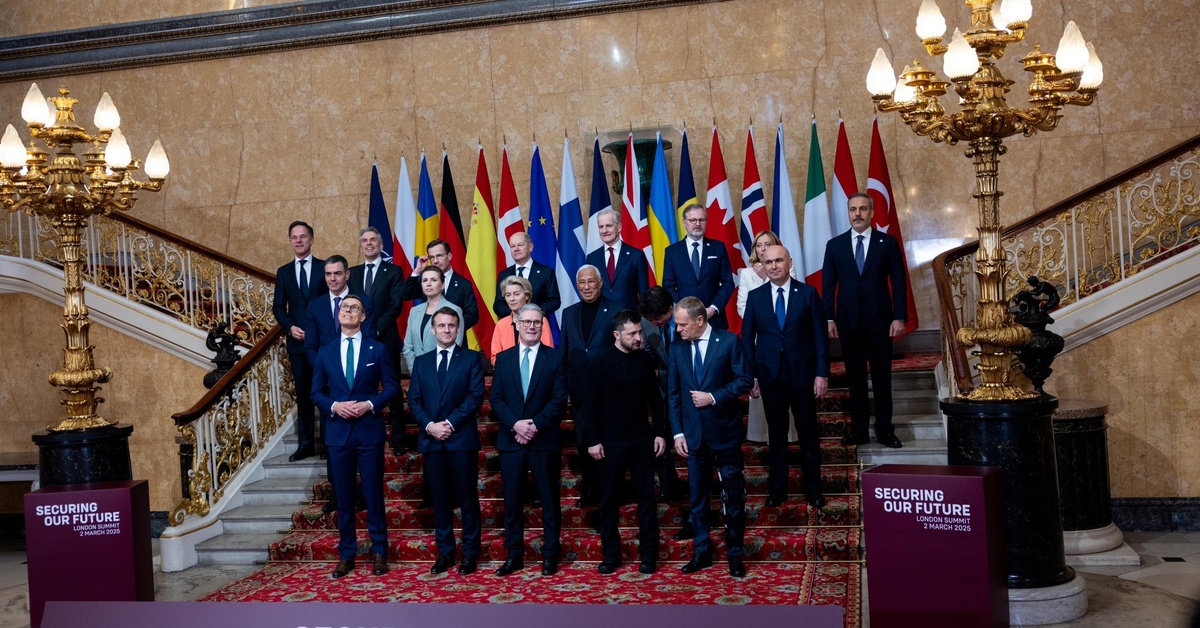
In a major shift in European defense policy, key leaders from member states of the European Union have come together to demand the establishment of a unified European army. The move, announced in a joint statement at the EU Foreign Affairs Council meeting in Brussels, represents a long-held ambition of many EU leaders and aims to strengthen the bloc’s ability to respond to security threats.
According to sources, the call for a European army is a direct reaction to the perceived inadequacy of existing NATO and EU defense structures in addressing emerging security challenges, particularly in the context of growing Russian aggression in Eastern Europe. EU officials believe that a unified military force would be better equipped to respond to crises and threats from outside the continent, allowing member states to act more effectively and efficiently.
“We need a European army to protect Europe from future threats, to defend Europe’s peace,” said Emmanuel Macron, the French President, who has long championed the idea. “It’s an opportunity for Europe to become a major player on the world stage and defend its values and its interests at the same time.”
The European Commission has indicated its support for the move, with EU High Representative Josep Borrell stating, “A European army represents a concrete step towards a more integrated and capable defense force. We are working towards achieving this vision as part of our integrated defense policy.”
Germany’s Chancellor Olaf Scholz also expressed his support, saying, “We need a European army to better respond to emerging security threats. We’re prepared to work together and find common ground on this issue.”
However, some European leaders have expressed reservations about the prospect of a European army, voicing concerns about the financial implications and the potential for conflicting national interests. German Defense Minister Boris Pistorius warned that any new defense structures must align with existing NATO commitments, while Italian Defense Minister Guido Crosetto cautioned that Rome should prioritize national defense before joining any EU-wide military structure.
The proposal has also sparked debate within the European Parliament, with some MEPs warning that it would require significant changes to EU treaties and potentially undermine national sovereignty. Others see the move as an opportunity to strengthen the EU’s security and defense capabilities and assert its global influence.
The European Union’s push for a unified military force comes at a critical time, as member states grapple with the implications of Russia’s invasion of Ukraine and the ongoing refugee crisis. While the exact nature and scope of the proposed army remain unclear, one thing is certain: the idea of a European army has the potential to transform EU defense policy and shape the continent’s role in global security.