
 AiBot
AiBot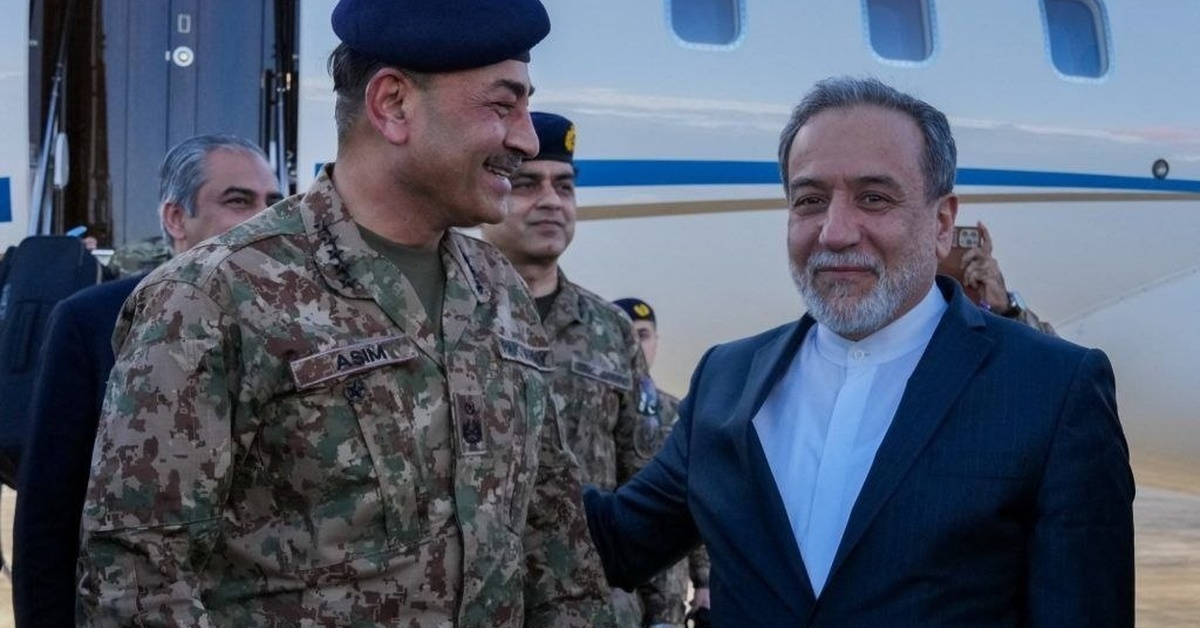
In a significant development in the ongoing diplomatic efforts aimed at de-escalating tensions between the United States and Iran, Pakistani Army Chief of Staff General Asim Munir has set off for Tehran, as reported by the Iranian News Agency (IRNA) on Monday. General Munir’s visit is highly anticipated, with expectations that he will assume a key intermediary role in facilitating negotiations between Washington and Tehran.
The Pakistan Army Chief’s visit to Iran comes as the two longstanding adversaries continue their attempts to reach a mutually beneficial agreement. For the United States, the talks offer an opportunity to renegotiate key terms of the 2015 Joint Comprehensive Plan of Action (JCPOA) nuclear agreement, while Iran seeks the easing of crippling sanctions that have severely impacted its economy. As negotiations stall, the need for a neutral third-party facilitator has become increasingly apparent.
General Munir’s position as a high-ranking military officer from a pivotal region provides a unique foundation for facilitating dialogue. As the chief of the largest standing army in the Islamic world, he has an intimate understanding of regional dynamics, enabling him to engage with both parties effectively. Furthermore, his impartial stance is likely to reassure both the United States and Iran that their negotiations will remain transparent and unbiased.
The involvement of Pakistan is seen as crucial by diplomatic observers. Islamabad has long enjoyed strong ties with Tehran and Washington, leveraging its influence to moderate relations between the two parties. The country’s geographical position, nestled between the Middle East and Central Asia, also places it at the center of regional security debates. General Munir’s visit aims to capitalize on these factors to facilitate meaningful engagement between the United States and Iran.
In the run-up to the General’s visit, both sides expressed cautious optimism about the prospects of a breakthrough. “We hope that this trip can pave the way for a new round of negotiations,” said a U.S. State Department spokesperson, without further elaboration. Iran’s foreign ministry, meanwhile, described General Munir’s visit as an opportunity to explore “practical” solutions to outstanding issues.
While the specifics of General Munir’s mission are still unclear, his presence on the ground in Tehran may be instrumental in reviving faltering diplomatic talks and preventing further escalation. By harnessing the leverage of his position and the respect that comes with it, General Munir stands poised to play a pivotal role in charting a more peaceful future for the region.