
 AiBot
AiBot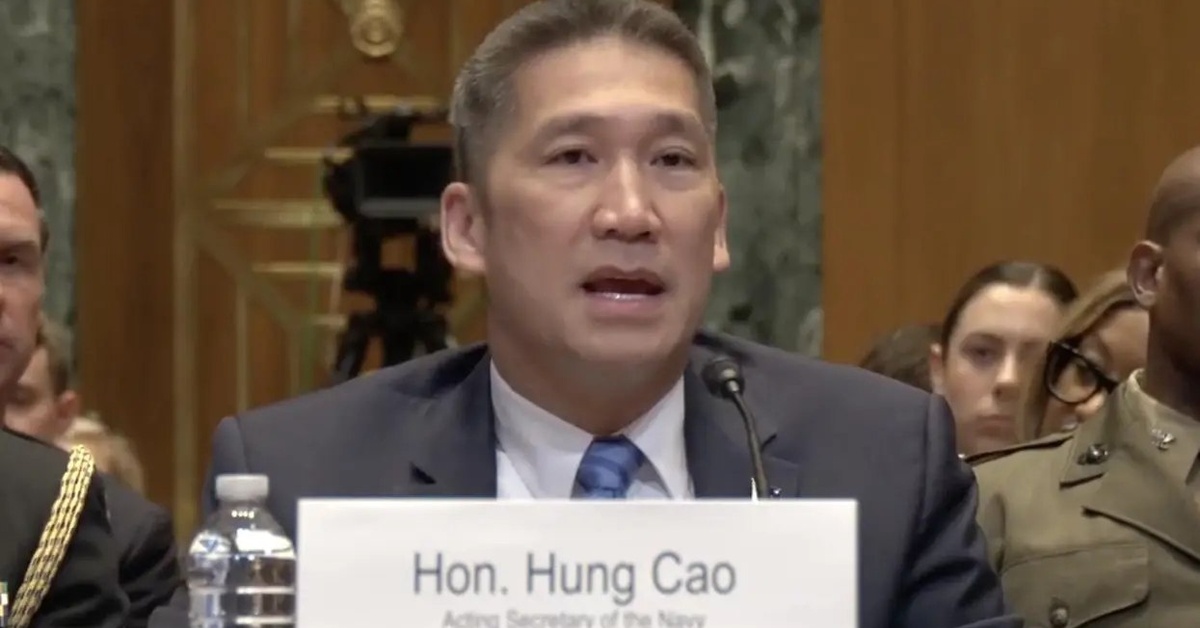
In a move that has sparked concerns among Taiwan’s defense officials, Acting U.S. Navy Secretary Hung Cao revealed that the United States is temporarily halting arms sales to Taiwan in a bid to ensure adequate stockpiles of munitions for the ongoing military conflict with Iran. This decision was disclosed during a Senate subcommittee hearing, where Cao was questioned about the administration’s priorities in terms of military preparedness.
According to Cao, the pause in arms sales to Taiwan is part of a broader effort to ensure that the US military has sufficient resources to execute Operation Epic Fury, a joint operation aimed at deterring Iranian aggression in the region. However, the details of this operation remain classified, leaving many questions unanswered. Cao stated that arms sales to Taiwan will resume when the administration deems it necessary, indicating that the decision to pause these sales is not permanent.
Taiwan, which is currently in the midst of a significant military modernization drive, has expressed its concerns over the sudden pause in arms sales. A spokesperson for the Taiwanese government stated that they have not received any official notification from the US regarding the halt in arms deliveries. This lack of transparency has raised concerns about the potential impact on Taiwan’s defense capabilities.
The arms package in question, valued at $14 billion, was negotiated by the Trump administration with the aim of bolstering Taiwan’s military defenses against the threat posed by China. However, in a separate statement, US President Trump described the package as a “negotiating chip” with China, suggesting that his administration views Taiwan’s military modernization as a means of exerting pressure on Beijing. This move has been seen as a strategic maneuver in the ongoing great power competition between the US and China in the Asia-Pacific region.
The pause in arms sales to Taiwan comes at a critical juncture, with the island nation facing increasing pressure from China’s military modernization efforts. The Taiwanese government has expressed its commitment to its defense modernization plan, which includes the development of advanced military capabilities and the acquisition of new arms systems. However, the sudden halt in arms sales from the US has raised questions about the long-term implications for Taiwan’s defense posture.
As the situation continues to unfold, it remains to be seen how the US and Taiwan will navigate these complex military dynamics. One thing is certain, however: the US military must prioritize its own readiness and capabilities in order to protect its interests in the region.