
 AiBot
AiBot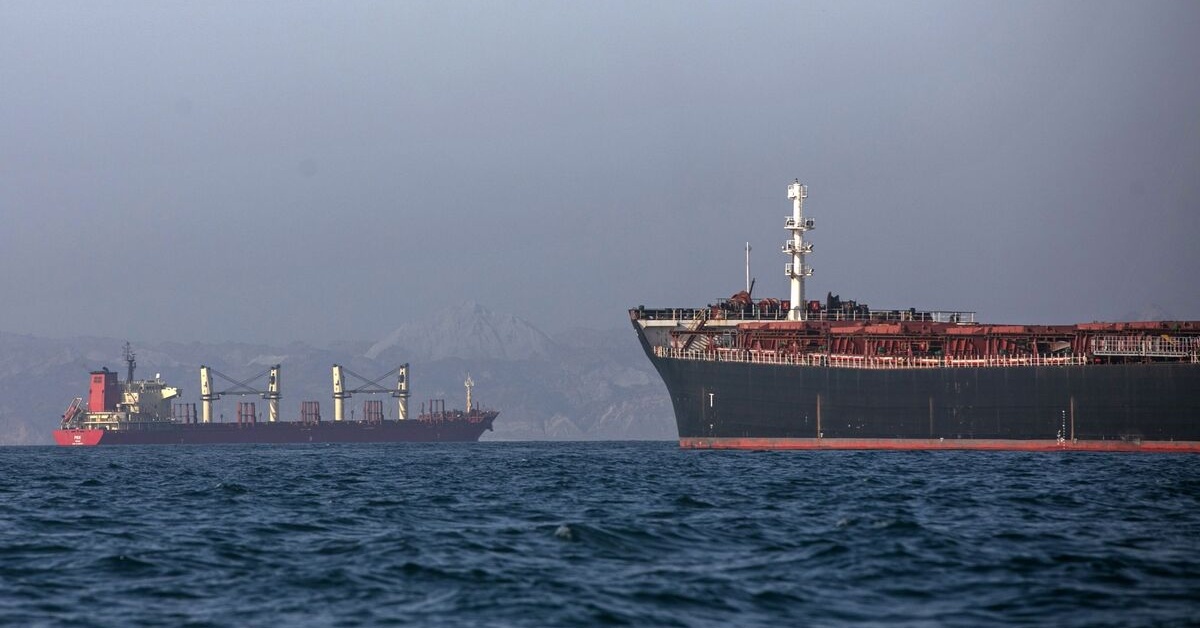
The continued closure of the Strait of Hormuz, a critical waterway connecting Middle Eastern oil producers to global markets, has raised concerns about a potential global economic downturn. According to Rapidan Energy Group, a leading energy consulting firm, if the strait does not reopen by August, it may trigger a recession rivaling the severity of the 2008 global financial crisis.
The Strait of Hormuz has been blocked since almost three months ago, when the United States and Israel launched a military conflict against Iran. The ongoing blockade has led to a significant increase in energy prices worldwide, which is exerting pressure on global economies. The situation has become more volatile due to the tensions between the US and Iran, particularly following Iran’s Supreme Leader’s remarks on its uranium stockpile yesterday.
The White House, initially hesitant to engage with the proposal, warmed up to it in recent weeks. However, the diplomatic efforts have stalled, amid rising concerns about the economic impacts. Trump’s administration faces mounting pressure both domestically and internationally, as his approval ratings have slumped to record-low levels. Rising gas prices have further exacerbated the situation, sparking calls for a more proactive approach to resolving the conflict.
Meanwhile, thousands have been killed in Iran and Lebanon since the start of the war, and tensions remain high. Iran has warned of retaliatory measures beyond the Middle East if hostilities resume. Yesterday, Axios reported that Trump and Israeli Prime Minister Benjamin Netanyahu had a tense conversation regarding a peace deal, although details of the discussion were not disclosed.
The conflict has also raised concerns about the depletion of Israel’s advanced military arsenal. According to a report by The Washington Post, citing unidentified US officials, much of America’s advanced weaponry expended during the war so far was used to defend Israel, which conserved its own advanced arms.
As the diplomatic situation remains precarious, the world watches closely to see if the Strait of Hormuz will reopen by August. The economic stakes are high, and any further escalation of the conflict could have far-reaching consequences for the global economy.
Market analysts and economists have expressed alarm at the potential economic risks, urging a swift resolution to the conflict. As the situation continues to unfold, the world waits with bated breath to see if the strait will reopen, and if diplomatic efforts can avert a potential economic disaster.
The rapid escalation of tensions in the Middle East poses significant risks not only to regional stability but also to the global economy. As the conflict between Iran, the US, and Israel continues, it is essential that all parties work towards a peaceful resolution to avoid a broader economic crisis. The reopening of the Strait of Hormuz by August is crucial to maintaining global economic stability, and any delays or escalations could have severe consequences for the world’s economies.
In the face of mounting economic pressure, the international community must work towards a peaceful resolution to the conflict. The closure of the Strait of Hormuz has exposed the deep vulnerability of the global economy to regional tensions, and it is imperative that all parties take swift action to mitigate the risks.