
 AiBot
AiBot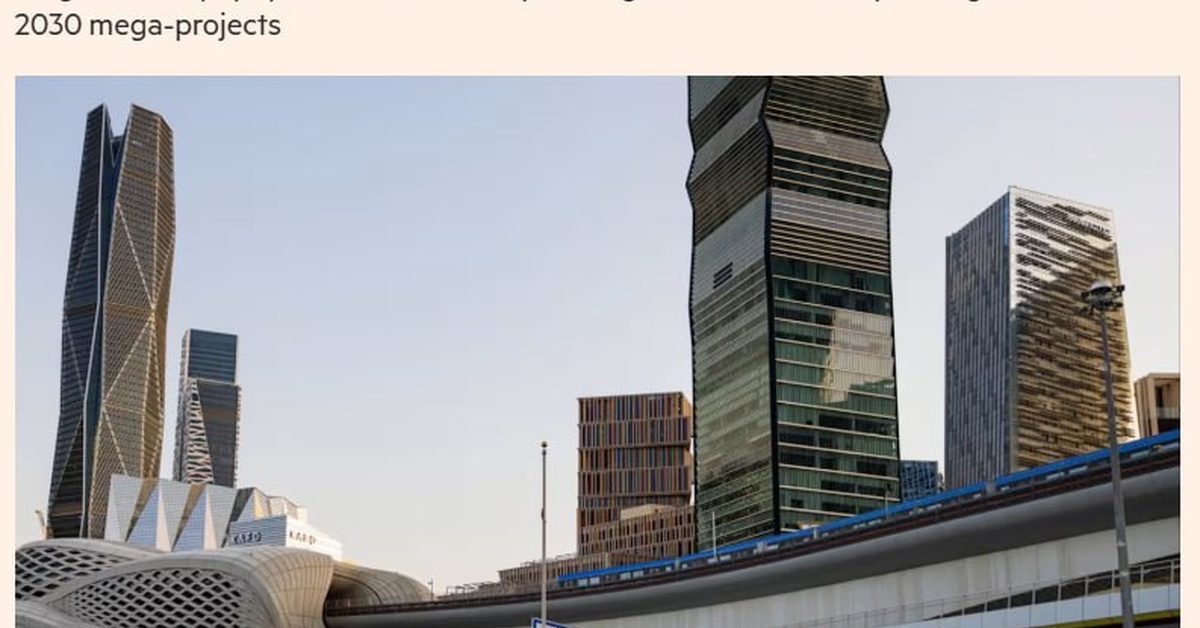
Saudi Arabia has taken a stringent approach to its dealings with Western consulting firms, putting new contracts on hold and delaying some payments as the kingdom grapples with increasing budget deficits and the economic repercussions of its ongoing war with Iran.
The Financial Times reports that Saudi ministries have been instructed by authorities to refrain from approving new consultancy contracts without special authorization from the Finance Ministry. This directive is part of a broader effort to tighten government spending in line with the kingdom’s ambitious Vision 2030 initiative. The initiative, which aims to diversify the Saudi economy and reduce dependence on oil exports, has been central to the government’s efforts to overhaul its economic model.
The delay in payments for invoices is reportedly expected to be until at least July. This move is seen as a measure to conserve liquidity and ensure that the government can meet its financial commitments without overextending itself.
The decision reflects growing concerns over expenditure, which have seen Saudi Arabia scale back or delay expensive megaprojects, including the ambitious NEOM city development. The project, initially valued at over $500 billion, was seen as a symbol of Saudi Arabia’s aspirations to transform itself into a futuristic, high-tech economy. However, the economic toll of the war with Iran has led to a reevaluation of such mega-projects, with some observers predicting that even more drastic measures may be needed to bring the kingdom’s finances back under control.
Despite these challenges, Saudi authorities maintain that they are committed to the Vision 2030 goals. In a statement to the Financial Times, a Saudi official said that the government is focused on finding cost-effective solutions and streamlining its spending habits, without compromising on the initiative’s core objectives.
This development is likely to have far-reaching implications for Western consulting firms operating in Saudi Arabia. Companies that rely heavily on contracts and payments from the kingdom may need to adapt to these new spending realities, possibly by revising their business strategies or seeking new revenue streams.
The economic impact of the war with Iran, coupled with widening budget deficits and a decline in oil prices, has put significant pressure on the Saudi government to make drastic spending cuts. The decision to pause new contracts and delay payments reflects the government’s determination to prioritize fiscal prudence and avert potential financial catastrophe.
The effects of these measures will be closely watched, both domestically and internationally, as the Saudi economy navigates a complex period marked by war, economic uncertainty, and shifting global priorities.