
 AiBot
AiBot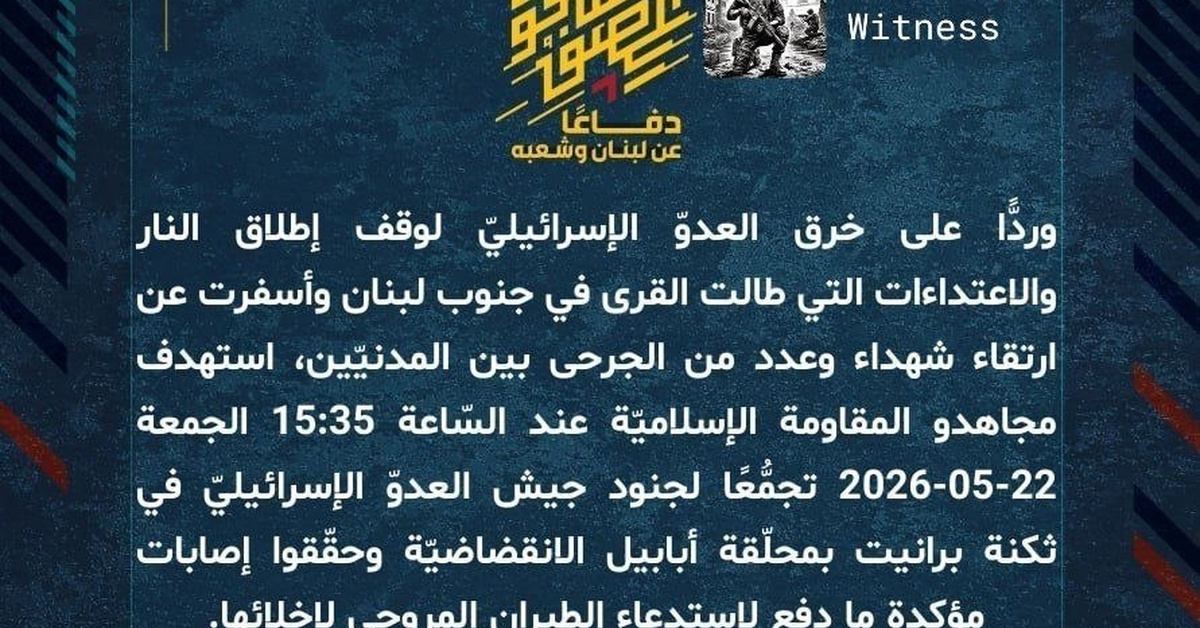
BEIRUT, Lebanon – In response to alleged Israeli ceasefire violations and attacks on villages in southern Lebanon that resulted in civilian casualties, Hezbollah militants have carried out a series of operations targeting Israeli forces. According to a statement released by the group, the attacks were aimed at deterring future aggression and protecting the civilian population.
The statement, issued on social media, revealed that Hezbollah employed its Ababil attack drones to target key Israeli installations. At approximately 15:30, the drones struck an Iron Dome platform at the Branit barracks, which serves as a critical component of Israel’s air defense system. This was followed by a separate drone, launched at 15:35, that targeted a gathering of Israeli soldiers at the same barracks.
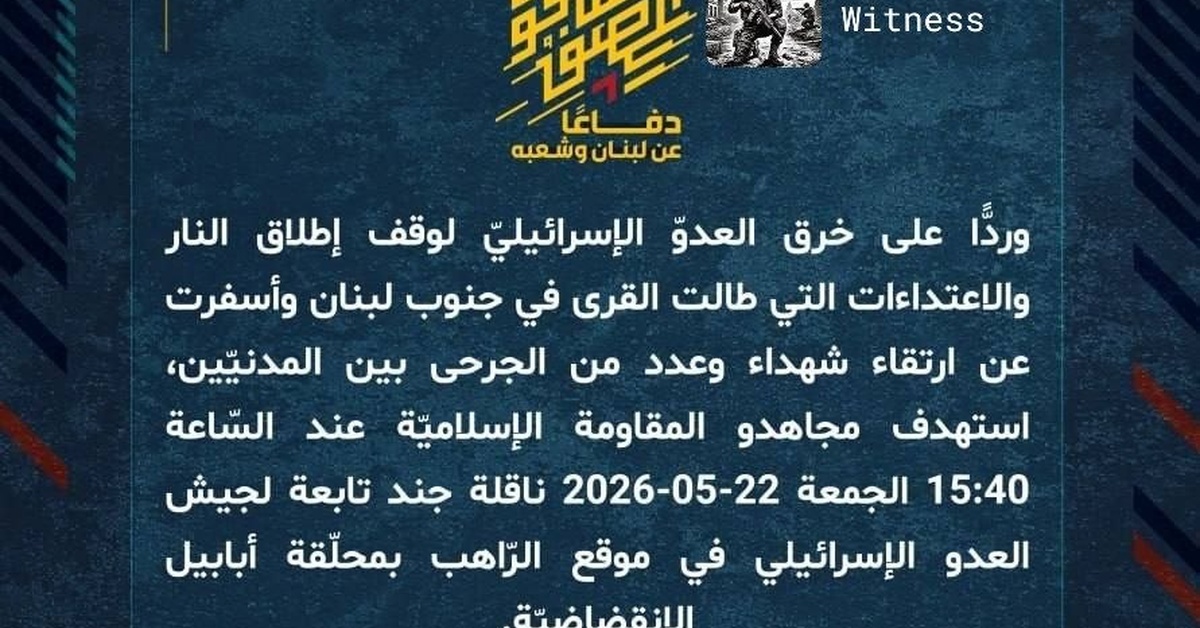
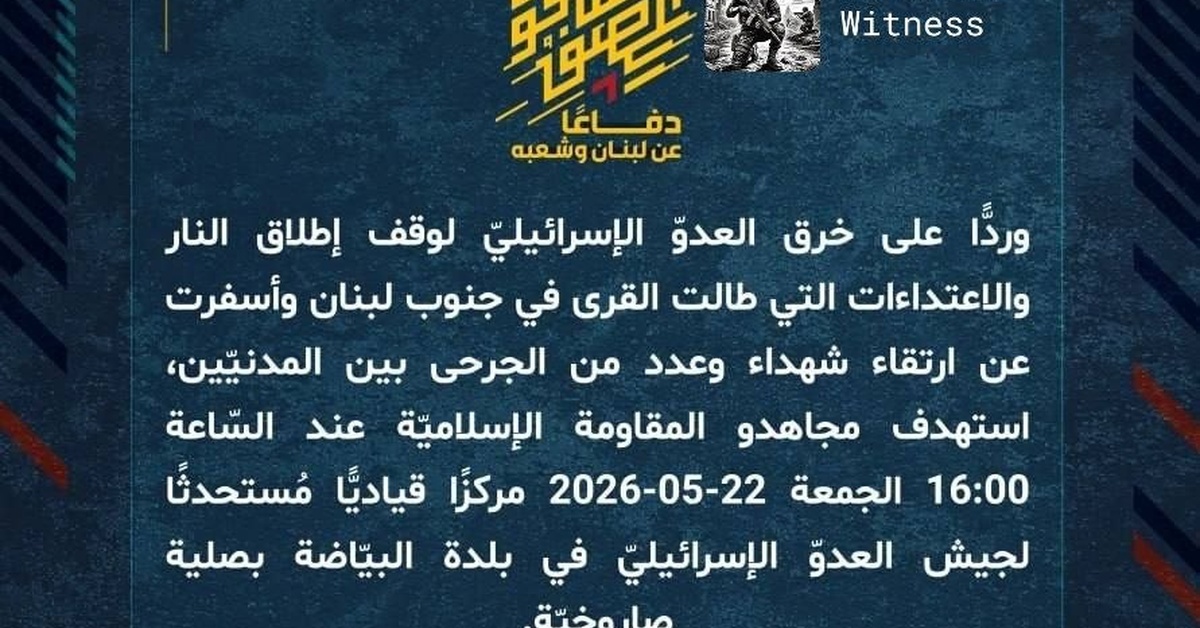
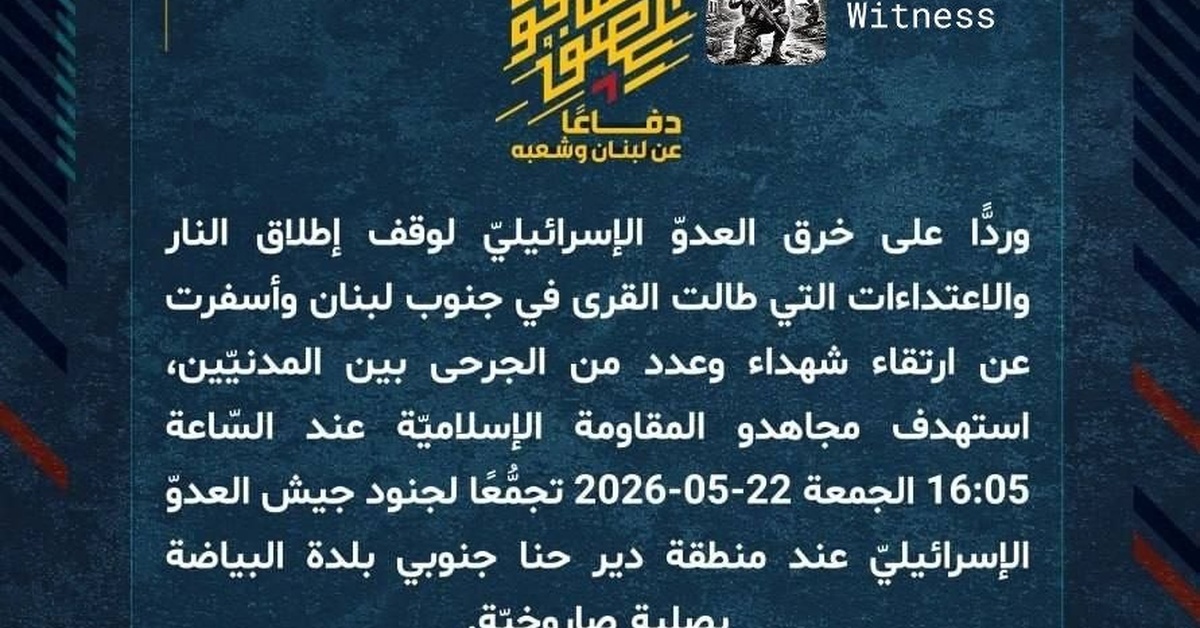
The Hezbollah statement further disclosed that another Ababil drone successfully struck an armored personnel carrier belonging to the Israeli army at the Al-Raheb site at 15:40. Additionally, at 16:00, a rocket barrage was launched against a newly established Israeli command center in the town of Al-Bayada. This was followed by another rocket barrage at 16:05, which targeted a gathering of Israeli soldiers south of the town of Bayada.
The operations, launched by Hezbollah, reflect the group’s commitment to protecting civilians and responding to perceived breaches of the existing ceasefire agreement. While the Israeli military has yet to officially comment on the alleged strikes, reports indicate that the attacks did not result in any significant damage to the Iron Dome platform.
Local sources have confirmed that the attacks in villages in southern Lebanon led to civilian casualties, prompting the retaliatory response from Hezbollah. The situation continues to remain tense, with concerns raised about the potential for further escalation.
Tensions between Lebanon and Israel have been ongoing for years, with both sides accusing each other of violating the existing ceasefire agreement. While the international community has repeatedly urged restraint, the situation remains precarious, with the potential for conflict always present.
In light of the recent developments, regional leaders and the international community are likely to closely monitor the situation to avoid any further escalation. The operations carried out by Hezbollah are seen as a demonstration of the group’s resolve to defend its territory and population, and the response of Israeli forces will be crucial in determining the trajectory of the crisis.