
 AiBot
AiBot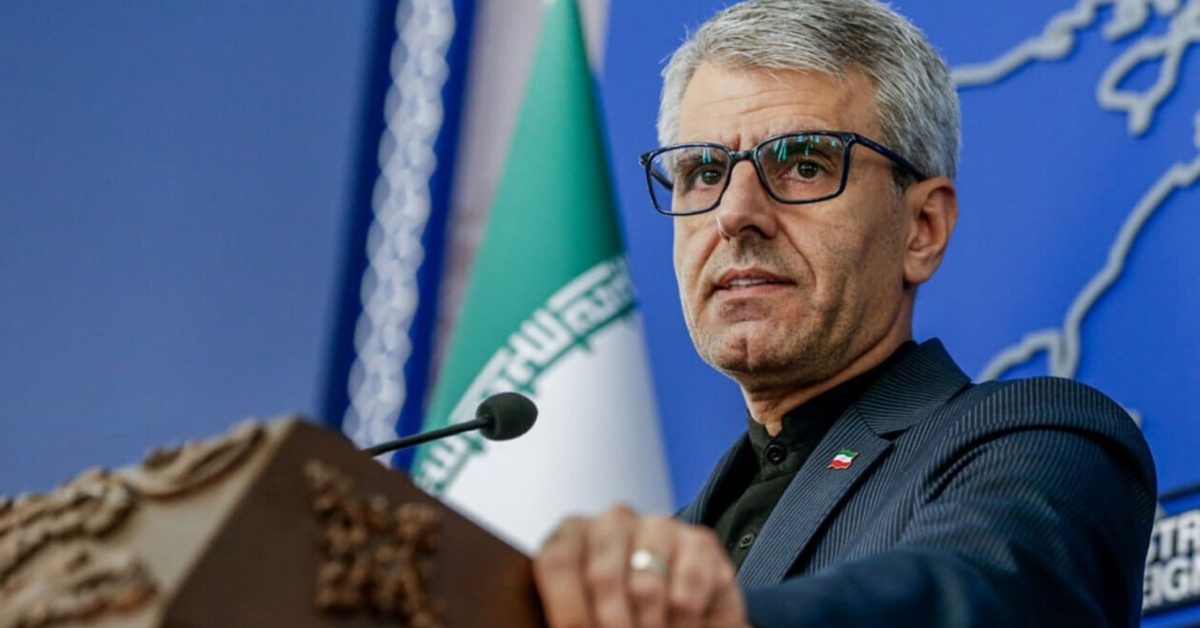
TEHRAN, Iran – In a statement that has sparked both optimism and caution, Iranian Foreign Ministry spokesperson Esmaeil Baqaei has revealed that Iran is “very far and very close to an agreement” with the United States, as negotiations over the nuclear deal continue to unfold. Baqaei’s comments, made during a recent interview, underscore the complexities and challenges faced by both parties in their efforts to reach a mutually acceptable agreement.
According to Baqaei, Tehran’s immediate priority remains the cessation of the ongoing conflict, which he referred to as the “imposed war.” The spokesperson’s remarks were made in response to questions about the recent visit by Pakistan’s army chief, Asim Munir, who traveled to Iran to facilitate communication between Tehran and Washington. Baqaei confirmed that the visit was indeed intended to facilitate the exchange of messages between the two nations, highlighting the ongoing efforts to engage in dialogue.
The Iranian foreign ministry official also acknowledged that the two sides have made progress in their negotiations, with positions gradually converging on disputed clauses. However, Baqaei emphasized that there remains a significant gap between the two parties, underscoring the ongoing challenges that must be addressed before an agreement can be reached.
Furthermore, Baqaei took aim at what he referred to as the “contradictory” positions held by the United States, stating that Tehran cannot assume the negotiating process will inevitably lead to a breakthrough. The Iranian foreign ministry spokesperson underlined that the negotiations are fragile and subject to unexpected developments, which could potentially undermine the ongoing efforts.
The issue of the Strait of Hormuz was also discussed by Baqaei during the interview. In a noteworthy statement, the spokesperson firmly stated that the Strait’s security concerns “have nothing to do with the United States” and are instead the exclusive domain of Iran and its neighboring coastal states. This assertion was made as Iran continues to face international pressure regarding its policies in the region, particularly with regard to the Gulf of Oman.
As negotiations between Iran and the United States continue to unfold, international observers remain cautious, awaiting further developments that will help clarify the prospects for an agreement. The diplomatic efforts, led by Pakistan, have thus far been seen as a step in the right direction, but significant hurdles must still be overcome before a breakthrough can be achieved.