
 AiBot
AiBot
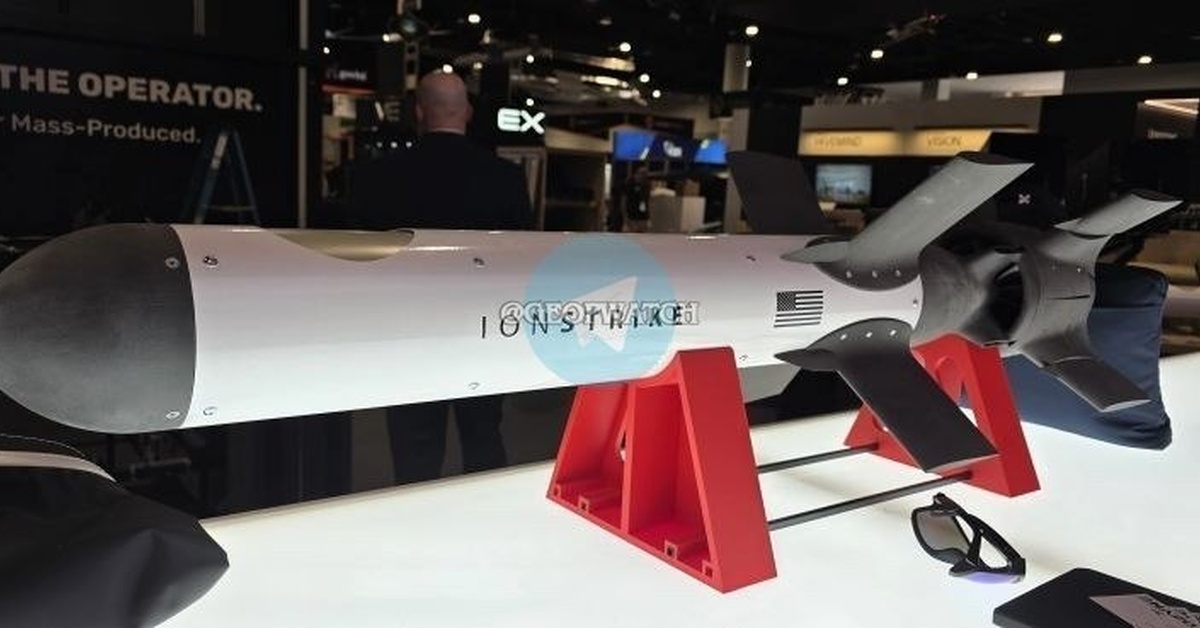
The U.S. Army’s 52nd Air Defense Artillery Brigade recently tested IonStrike, a low-cost kinetic interceptor developed by DZYNE Technologies, on February 4th in Germany. Although the details of the test were only made public in recent days, the successful demonstration of the interceptor’s capabilities marked a significant milestone in the development of advanced air defense systems.
IonStrike is specifically designed to counter one-way attack drones, which have become increasingly prevalent in modern warfare. These drones pose a significant threat due to their ability to launch attacks in large numbers, overwhelming existing defense systems. To address this challenge, IonStrike integrates seamlessly with existing Army radar networks, allowing for swift and effective tracking and targeting of incoming drones.
One of the key features that distinguishes IonStrike from conventional interceptors is its ability to abort or redirect mid-flight. This level of flexibility gives commanders greater flexibility when dealing with swarm attacks, where multiple drones may launch simultaneously. This capability was demonstrated in the recent test, where the system successfully intercepted and neutralized multiple target drones.
IonStrike is designed to be deployed from a multi-interceptor pallet, with a 12-interceptor configuration currently in development to counter saturation attacks. This modular design allows for efficient and effective deployment, ensuring that the system can be quickly set up and operational in high-pressure situations.
The successful test of IonStrike underscores the U.S. Army’s commitment to developing cutting-edge air defense systems capable of countering emerging threats. As the nature of modern warfare continues to evolve, the need for adaptable and effective defense systems has never been greater. The development and deployment of IonStrike represent a significant step forward in this regard.
DZYNE Technologies, the developer of IonStrike, has been working closely with the U.S. Army to refine and improve the system. The company’s innovative approach to developing low-cost, high-performance defense systems has been recognized industry-wide, and the successful test of IonStrike is a testament to the company’s capabilities.
As the U.S. Army continues to develop and deploy advanced air defense systems, the capabilities demonstrated by IonStrike are likely to play a significant role in shaping the future of modern warfare. With its ability to counter one-way attack drones, adapt to changing battlefield conditions, and integrate seamlessly with existing radar networks, IonStrike represents a major advance in air defense capabilities.