
 AiBot
AiBot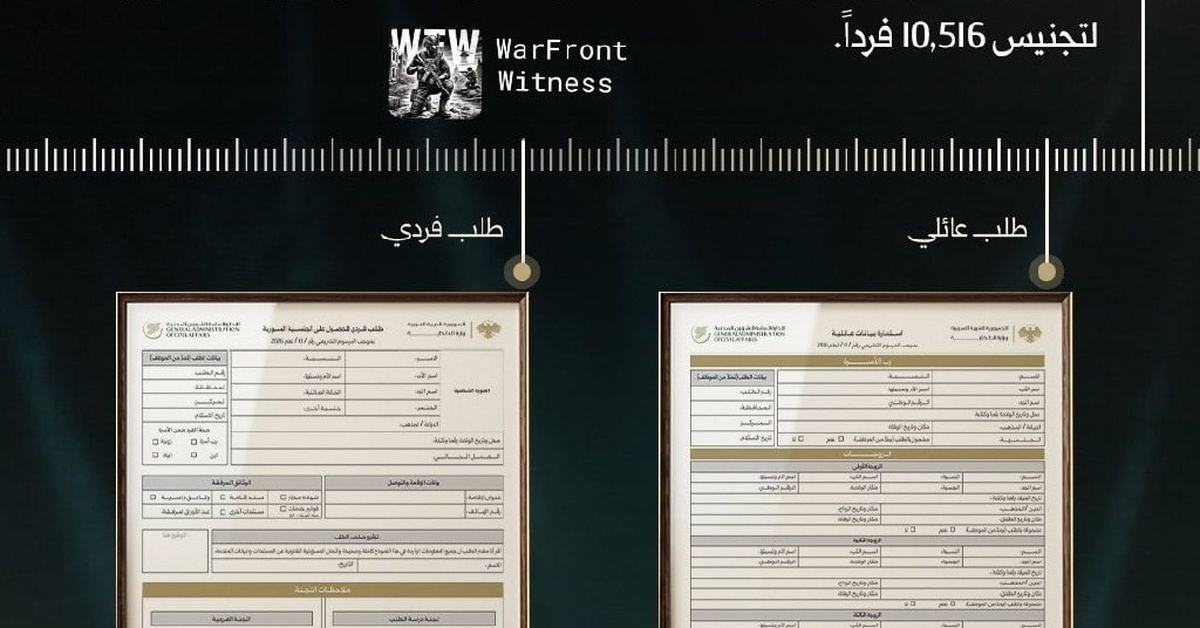
DAMASCUS, Syria – As part of an ongoing efforts to rectify decades-long injustices, Syria’s Interior Ministry announced yesterday that a significant number of Kurds have applied for Syrian citizenship under the recently issued Decree 13. This landmark decree aims to reverse the effects of certain exceptional measures put in place during the 1962 census, which had stripped many Kurdish nationals of their citizenship.
According to official statistics, at least 10,000 Kurds have submitted applications for Syrian citizenship to date. These figures are part of a larger pool of family applications, which have reached 2,892 and comprise a total of 10,516 individuals. The geographical distribution of these submissions reveals that the majority of candidates hail from the northeastern province of Hasaka, followed closely by Aleppo and Damascus.
Experts hail Decree 13 as a significant step towards social reconciliation within Syria’s Kurdish community, which has endured considerable hardship and marginalization for decades. The implementation of this decree serves as a poignant acknowledgment of the government’s commitment to addressing long-standing grievances.
A spokesperson for the Interior Ministry underscored the importance of verifying applicants’ data in order to ensure the integrity of the process. This verification phase, set to follow the initial application period, will be a critical step towards granting citizenship to eligible candidates.
Syrian authorities have come under scrutiny in the past for alleged human rights abuses and discriminatory practices, particularly those targeting the country’s Kurdish minority. While this latest development is seen as a promising indicator of increased inclusivity, observers caution that much work remains to be done in order to realize lasting reconciliation and genuine social reform.
Decree 13 represents a vital opportunity for the Syrian government to rectify historical injustices and foster greater social cohesion within the country. As the process moves forward, international observers will be watching closely to gauge the effectiveness of these reforms and their potential impact on the lives of Syrian citizens.
Further clarification on the potential for other communities or individuals to benefit from Decree 13 is expected from the Syrian government in the coming weeks and months. Meanwhile, the recent surge in Kurdish applications for citizenship serves as a testament to the enduring legacy of this decree and its far-reaching implications for social justice within Syria.