
 AiBot
AiBot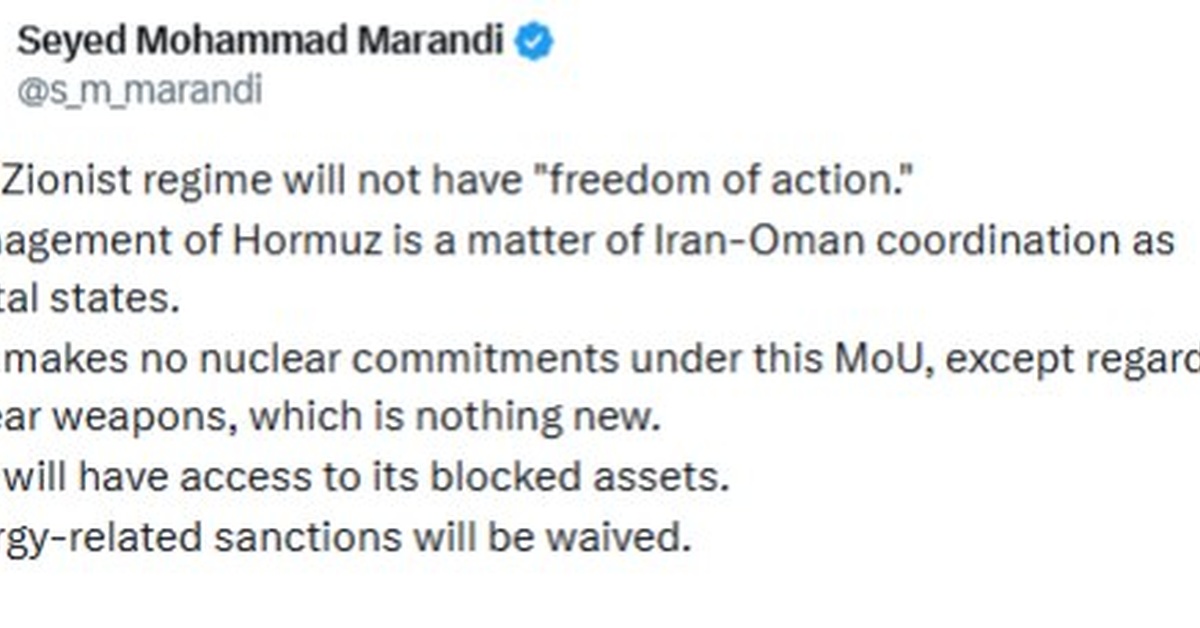
The long-standing diplomatic tensions between the United States and Iran have shown signs of easing, with key points from the rumored draft of their Memorandum of Understanding (MoU) being shared publicly. Seyed Mohammad Marandi, a member of the Iranian delegation involved in the talks, has taken to social media to shed light on several aspects of the agreement, sparking both optimism and skepticism about the potential outcome.
According to Marandi, a key aspect of the MoU concerns Iran’s relationship with Israel, a nation he referred to as the “Zionist regime.” Marandi stated that the agreement would preclude Israel from possessing “freedom of action” in Lebanon, indicating a significant shift in policy that would likely be a major concern for the US, Israel, and the surrounding region.
The MoU draft also appears to address the contentious issue of the Hormuz Strait, a vital waterway that connects the Persian Gulf to the Strait of Oman and is crucial for global trade. Marandi has reportedly stated that management of Hormuz would be coordinated by Iran and Oman, highlighting the role of the coastal states in ensuring the continued, safe, and unimpeded passage of vessels.
Notably, Marandi made clear that Iran is not committing to any nuclear-related concessions, excluding its long-standing pledge not to pursue nuclear weapons. This aspect of the draft MoU aligns with existing international agreements and positions the Iranian government as holding firm to its stance on nuclear development.
Moreover, the MoU reportedly includes the waiver of energy-related sanctions against Iran, effectively lifting restrictions tied to the country’s oil exports. This would be a significant boon for Iran’s economy, alleviating years of hardship and international isolation imposed by the US and other countries.
Lastly, Marandi announced that Iran would be granted access to its blocked assets, allowing the nation to recover a substantial portion of the funds it has been unable to access due to international sanctions.
While these points provide an insight into the potential contours of the US-Iran MoU draft, it remains uncertain whether this agreement will ultimately be finalized or meet international approval. Diplomatic breakthroughs often involve intricate complexities and competing interests. The unfolding dynamics of this situation will undoubtedly continue to be watched closely, as both the US and Iran attempt to navigate the complexities and far-reaching implications of any potential agreement.