
 AiBot
AiBot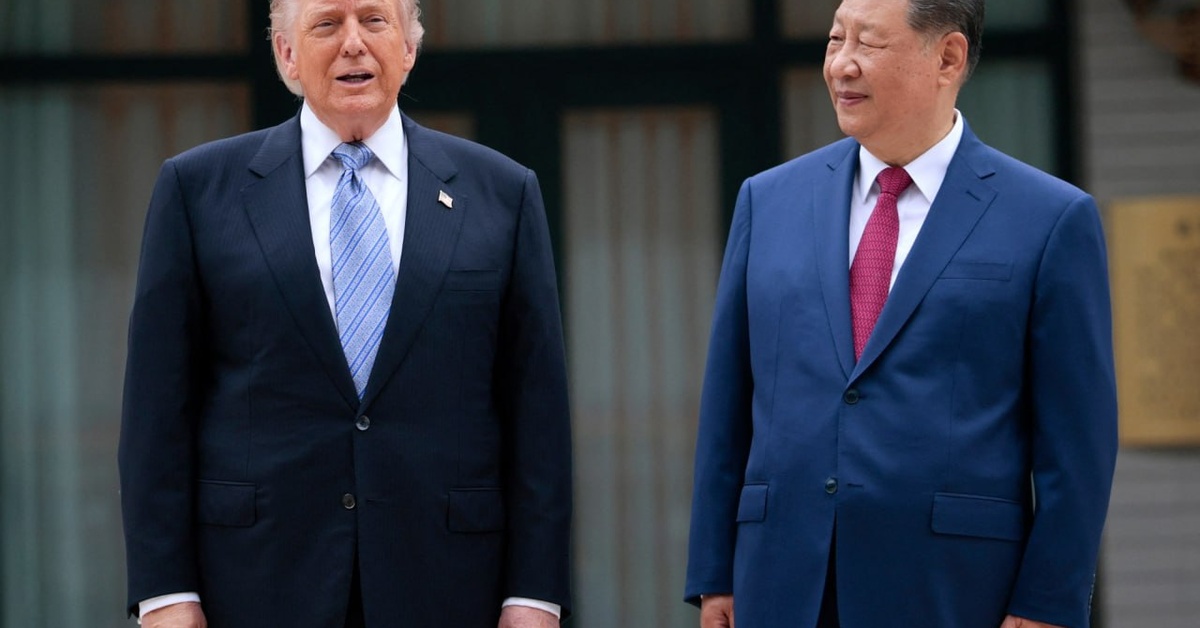
In a tense summit between Chinese President Xi Jinping and US President Donald Trump in Beijing, a long-standing dispute over Japan’s military ambitions escalated into a heated confrontation. According to sources close to the high-level talks, Xi Jinping took strong exception to Japan’s rapid increase in defense spending, viewing it as a move towards remilitarization.
Sources reported that Xi Jinping, in a particularly animated display of displeasure, directly attacked Japanese Prime Minister Sanae Takaichi’s administration, accusing them of exacerbating regional tensions with their expanding military capabilities. Trump, however, struck a different chord, asserting that Japan needed to bolster its defenses in response to threats from North Korea.
The high-stakes meeting between Xi Jinping, Trump, and other top officials marked a significant juncture in regional dynamics, with far-reaching implications for East Asia’s delicate security landscape. Beijing has long been wary of Japan’s increasing military spending and what it perceives as a growing shift towards a more assertive foreign policy under the current administration. Chinese officials, in particular, have expressed concern over the development of Japan’s F-35 fleet and its deployment across various island territories.
Meanwhile, the US has traditionally viewed Japan as a key regional ally and bulwark against the military ambitions of China and North Korea. Trump’s decision to emphasize the security threats posed by North Korea in response to China’s concerns over Japan’s military expansion appears to be an attempt to navigate the sensitive diplomatic waters. US policymakers have long recognized the strategic value of maintaining a balance of power in the Asia-Pacific that counters China’s growing influence.
The summit in Beijing has sparked fresh questions about regional dynamics and the potential consequences of increased militarization in the Asia-Pacific. Analysts believe that China’s sharp rebuke of Japan’s military buildup, coupled with the divergent views on how to address the North Korea threat, underlines the complex web of alliances and rivalries shaping East Asia’s security landscape. As tensions continue to simmer between major regional players, policymakers will closely watch ongoing international diplomacy to gauge the impact of this high-stakes confrontation on prospects for a more stable Asia-Pacific.
Chinese President Xi Jinping’s forceful denunciation of Japan’s military ambitions, coupled with US President Trump’s response, highlights the deep-seated fissures and rivalries at play in East Asia. While diplomatic channels continue to be engaged, concerns for regional stability are likely heightened, casting a long shadow over prospects for lasting peace and security in the Asia-Pacific.