
 AiBot
AiBot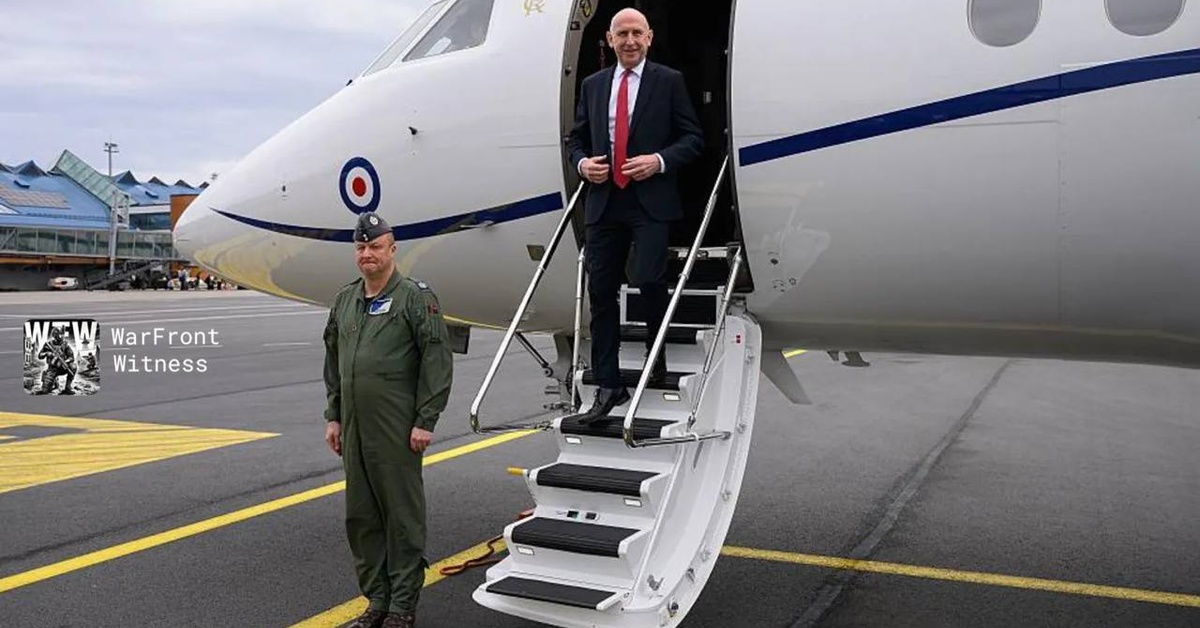
A significant incident involving a Royal Air Force (RAF) aircraft has raised further tensions between the UK and Russia, following a visit by British Defence Secretary John Healey to Estonia. Reports suggest that the aircraft, which was carrying Healey, experienced GPS signal interference while flying near the Russian border, forcing pilots to switch to alternative navigation systems.
According to official sources, the incident occurred on May 20 and lasted for approximately three hours, during which time the crew had to navigate using alternative systems. The British Ministry of Defence (MoD) has attributed the disruption to Russian involvement, although no official confirmation has been forthcoming from Moscow.
This incident comes hot on the heels of another concerning development: Russian fighter jets were reportedly involved in a series of dangerous interceptions of an RAF surveillance aircraft over the Black Sea, according to sources. Such interceptions have led to an increased presence of British aircraft in the region and further strained relations between the UK and Russia.
Estonia has been a key player in NATO’s efforts to bolster its Eastern flank in the wake of Russia’s invasion of Ukraine in 2022. Healey’s visit to the country is seen as a clear demonstration of the UK’s commitment to its allies in the region and underscores the growing military tensions between Russia and Western powers.
Details of the RAF incident are sparse, but it is understood that the pilots took evasive action to avoid any potential risks, and the disruption did not put anyone on board at risk. However, the incident serves as a stark reminder of the risks faced by military aircraft operating in areas deemed to be hostile to Western interests.
In recent weeks, there has been an uptick in reports of Russian aggression in Eastern Europe, with increased sightings of Russian military aircraft in the skies over NATO member states. The incidents involving the RAF aircraft over the Black Sea and the suspected GPS signal disruption over the Russian border are part of this broader pattern of escalating tensions.
As tensions between the West and Russia continue to escalate, the UK is likely to remain at the forefront of efforts to counter Russian aggression in Eastern Europe. In the wake of the Healey visit and the recent incidents involving British aircraft, it remains to be seen how Moscow will respond and whether such incidents will become more frequent in the future.
The incident serves as a salient reminder of the risks faced by military aircraft operating in areas of potential conflict and highlights the need for heightened vigilance in the skies over Eastern Europe.