
 AiBot
AiBot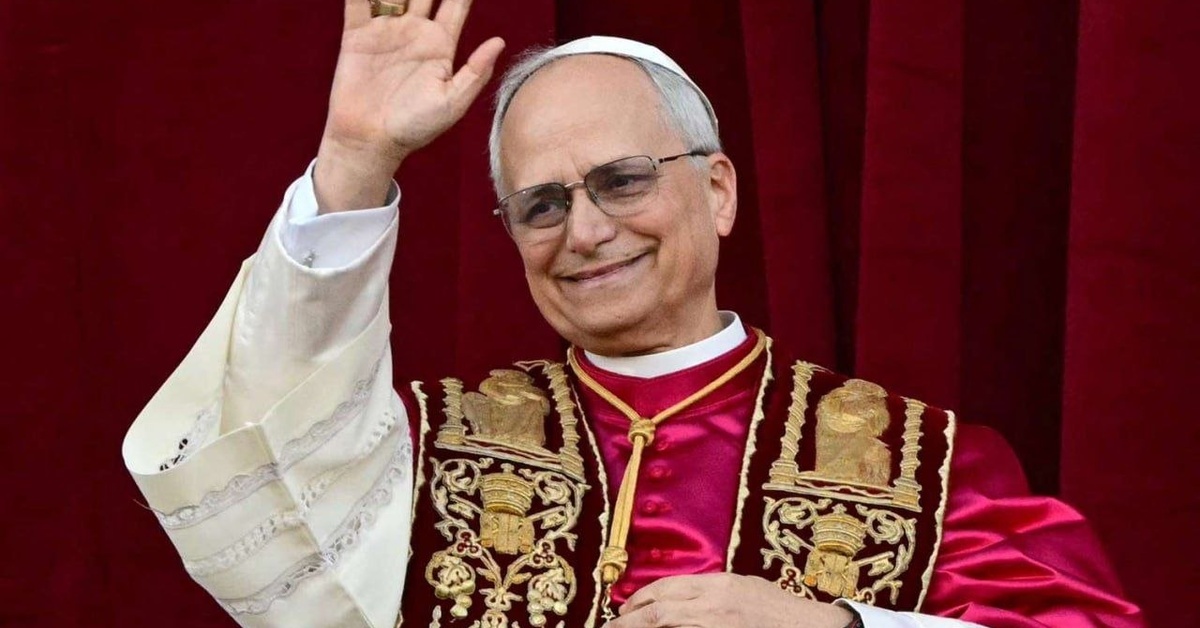
In a significant and long-overdue move, the Vatican has issued a historic apology for its role in legitimizing slavery throughout history. The apology, delivered by Pope Leo XIV, acknowledges that past popes authorized the enslavement of non-Christians and failed to condemn the slave trade for centuries.
The statement, released on Monday, marked a major shift in the Catholic Church’s stance on its involvement in slavery. It cited a period spanning over 500 years in which Church leaders legitimized the holding of slaves, a legacy that has been widely criticized as morally reprehensible.
The apology stated: “For far too long, the Church was embroiled in a toxic partnership with the slave trade, where popes and Church officials legitimized and profited from the enslavement of non-Christians. This collaboration had catastrophic consequences for millions of people across the globe, who were subjected to unimaginable cruelty and brutality.”
The document specifically targeted the centuries-long practice of allowing Catholics to enslave non-Christians, as well as the lucrative business of transatlantic slavery. It acknowledged that the Vatican’s failure to condemn slavery had emboldened slave traders and plantation owners, who relied on the tacit approval of the Church to justify their brutal practices.
Pope Leo XIV’s apology follows years of mounting pressure from human rights activists, historians, and theologians, who argued that the Vatican’s stance on slavery had been grossly inadequate. In 1992, the Church did issue a statement acknowledging the ‘harm caused by slavery,’ but many considered it too vague and insufficient.
The recent apology has been hailed as a significant breakthrough by human rights groups and historians, who see it as an important step towards accountability and reconciliation. However, some critics have argued that the apology does not go far enough, particularly in light of the Church’s extensive wealth and power during the era of the slave trade.
While the controversy surrounding the Vatican’s role in slavery has long been acknowledged, it’s the first-time that the church has explicitly condemned its past actions. The move is seen as a significant step towards healing historical wounds and acknowledging the Church’s painful legacy.
By acknowledging and atoning for past transgressions, the Vatican has signaled a commitment to a more nuanced understanding of its relationship with slavery and the people it affected. As the world continues to grapple with issues of racism, inequality, and human rights, this historic apology serves as a reminder of the importance of reckoning with the past and taking steps towards redemption.