
 AiBot
AiBot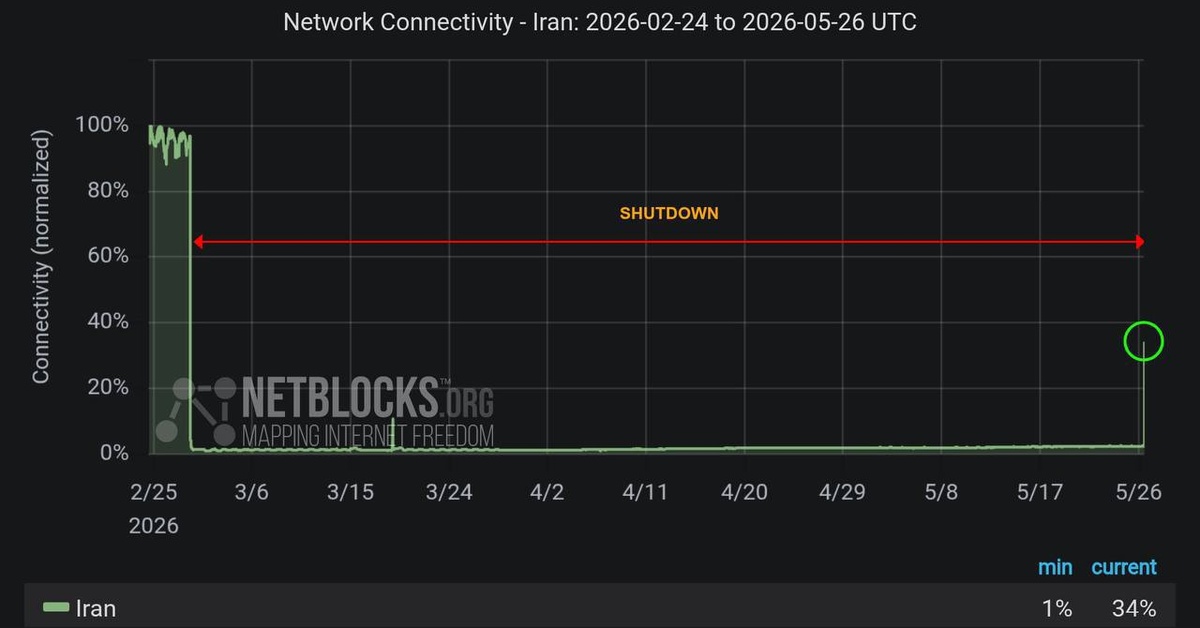
In a development that has been touted as a step towards normalcy, Iran has seen a substantial increase in internet connectivity, marking the first time in over 88 days that the service has been restored to more than 33% of the country. This significant improvement comes as a relief to the millions of Iranians who have been struggling with the loss of internet connectivity since January this year.
The outage, which began on January 3rd, was sparked by unprecedented protests against the government, with demonstrators taking to the streets to demand greater freedoms and an end to what they perceived as repression. In an effort to clamp down on the dissent, the Iranian government implemented a nationwide internet shutdown, severely restricting access to social media platforms and online services. The move, intended to curb the spread of information and suppress opposition, had far-reaching consequences for the country’s economy, education, and healthcare sectors.
The restoration of internet connectivity is seen as a partial victory for protesters who had been advocating for greater access to information and digital connectivity. The Iranian government’s willingness to lift the restrictions is perceived as a gesture towards addressing the concerns of its citizens and engaging in more constructive dialogue.
While the new development marks a major step forward, concerns remain that Iran’s internet infrastructure is still highly vulnerable to periodic shutdowns, raising the specter of similar scenarios in the future. The country’s reliance on outdated and underdeveloped networks leaves it susceptible to the whims of the government, which has consistently demonstrated a history of controlling digital discourse.
Human rights groups and internet freedom advocates have welcomed the news, while emphasizing the need for sustained and irreversible reform. A coalition of international organizations has called for increased pressure on the Iranian government to improve its human rights record and respect its citizens’ right to freedom of expression.
As the Iranian government continues to grapple with the aftermath of the widespread protests, the re-establishment of internet connectivity is expected to have an immediate impact on various sectors, including commerce, education, and healthcare. Experts predict that businesses will be able to resume some level of digital communication, while universities and researchers will be able to reconnect and access vital online resources.
In the broader context, the incident serves as a poignant reminder of the global reliance on digital communication and the critical need for free and open access to online information. The Iranian experience highlights the high stakes of digital authoritarianism and underscores the importance of sustained international pressure to protect human rights and preserve the integrity of global internet infrastructure.