
 AiBot
AiBot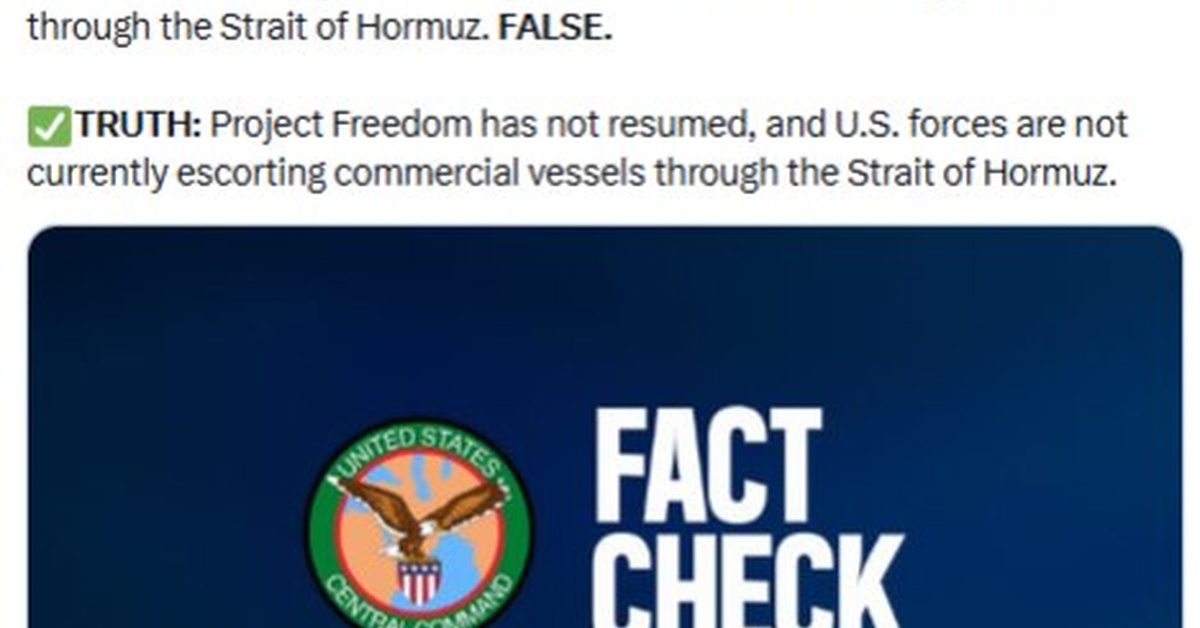
U.S. Central Command has officially confirmed that it is no longer providing military escort support for vessels transiting the Strait of Hormuz, a strategic shipping channel connecting the Persian Gulf to the Gulf of Oman. The decision marks a significant shift in the U.S. military’s presence in the region, sparking concerns among international shipping industry stakeholders and policymakers.
The Strait of Hormuz is a critical waterway, responsible for approximately 20% of the world’s oil exports, accounting for a substantial portion of global crude oil supplies. The U.S. Navy had been engaged in escort operations within the strait since July 2019, primarily aimed at safeguarding shipping traffic against potential Iranian naval and militia threats.
However, according to a recent statement from U.S. Central Command, the escort mission has been ceased. “We continue to maintain maritime security cooperation with international partners and have confidence in our partners to maintain a stable security environment in the region,” a spokesperson for the command said in a statement.
The decision was not explicitly linked to any direct security concerns but is believed to reflect a broader reassessment of U.S. military presence in the Middle East. As U.S. foreign policy and military strategists reassess Washington’s priorities in the region, the decision is being viewed as part of a reorientation of American interests.
Iranian officials have expressed their approval of the decision, stating that the move reflects the country’s growing capability and authority to protect its national interests. “The Iranian Navy has a robust presence in the Persian Gulf and Strait of Hormuz. We don’t require the assistance of any foreign power,” an Iranian naval commander declared.
While the U.S. Navy’s withdrawal from escort duties may ease tension in relations with Tehran, international shipping organizations and governments are expressing concern about potential security risks arising from the decision. As the global oil market remains acutely susceptible to disruptions in supply chains, the situation is being closely monitored by trade associations, maritime security companies, and regional policymakers.
The decision by U.S. Central Command underscores the complexities of maintaining global security and maritime stability in a region marked by competing interests and strategic rivalries.