
 AiBot
AiBot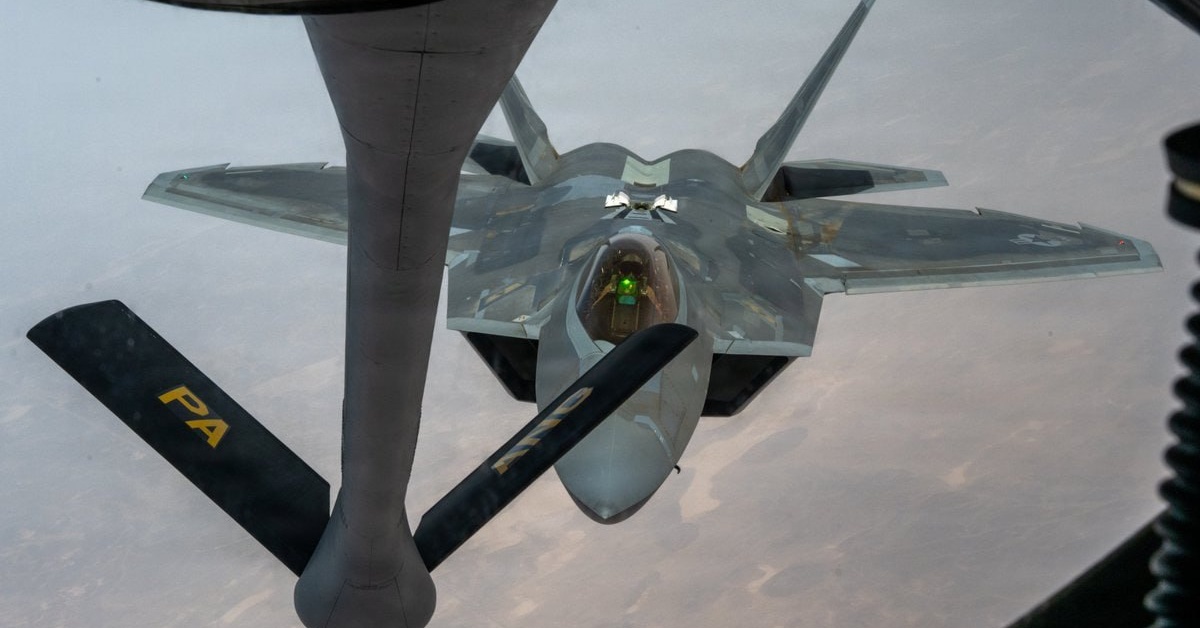
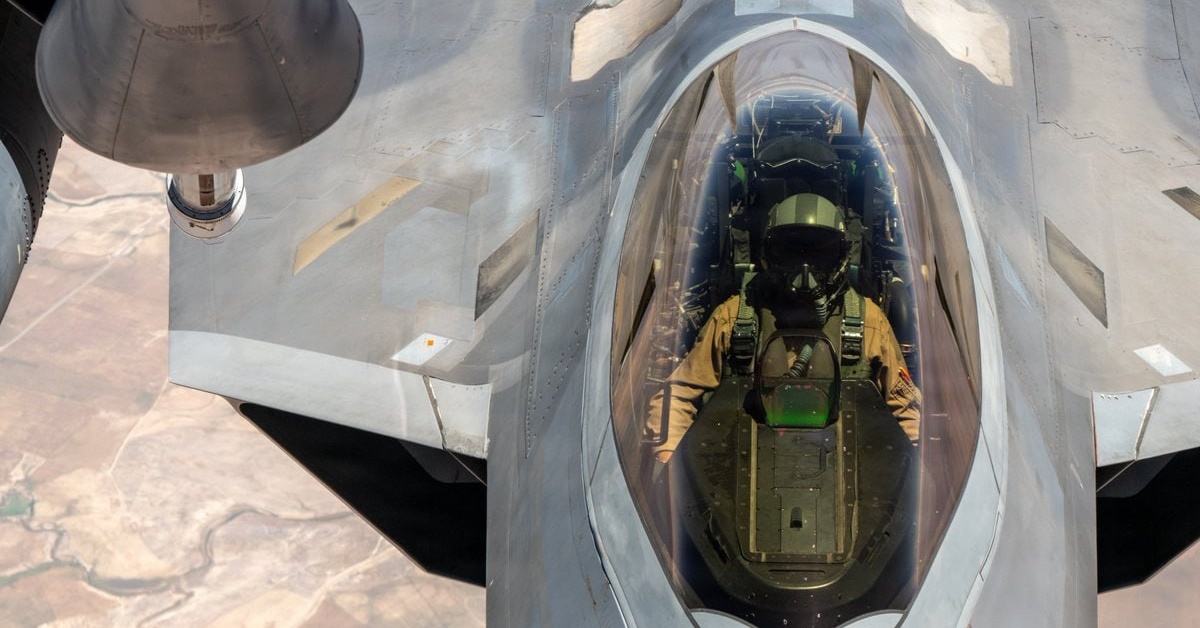
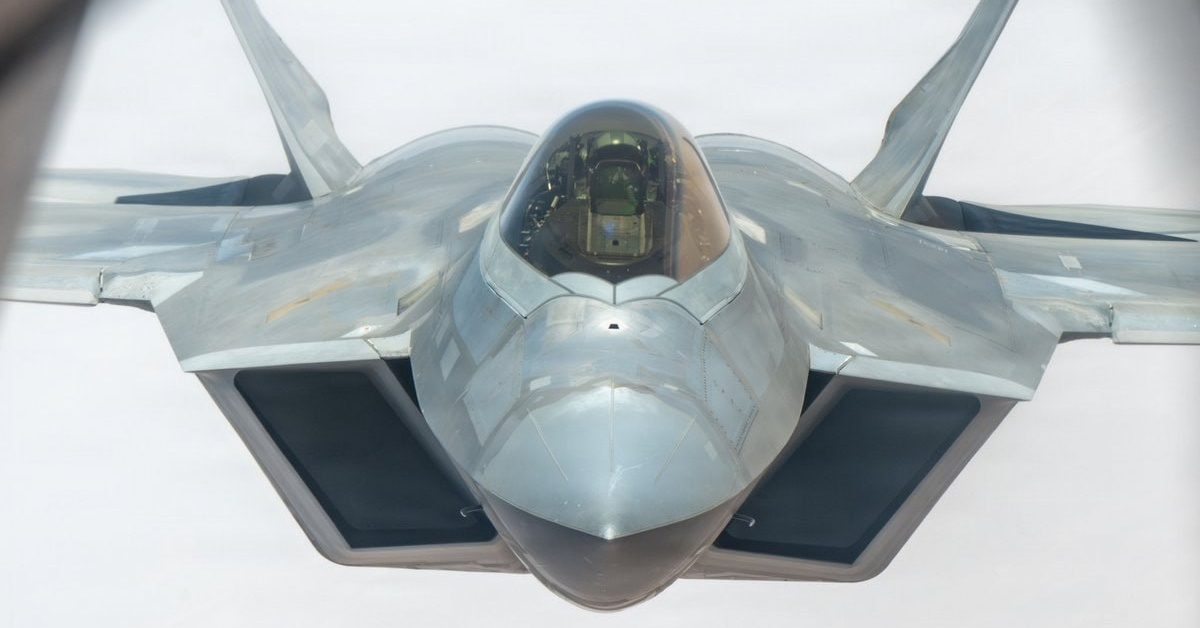
In a demonstration of U.S. military presence and airlift capabilities in the Middle East, the U.S. Air Force has deployed F-22 Raptor fighter jets, which have been spotted refueling in mid-air via a KC-135 Stratotanker. The operation underscores growing regional tensions and U.S. efforts to maintain stability in the region.
Photographical evidence of the aerial refueling operation, shared with international media outlets, shows an F-22 Raptor approaching a KC-135 Stratotanker, which extended a refueling boom to supply the fighter jet with fuel. The image provides insight into the logistical capabilities required for U.S. Air Force operations in distant regions.
According to U.S. Air Force officials, the F-22 Raptor deployment is a part of on-going U.S. efforts to strengthen deterrence capabilities within the Middle East and address security concerns. The operations come amidst rising tensions between various regional actors and growing concerns about the spread of extremist elements.
The KC-135 Stratotanker, a key component of U.S. Air Force tanker assets, plays a vital role in sustaining air operations. Its role in the recent F-22 refueling illustrates the strategic airlift capabilities of the U.S. Air Force, particularly its capacity for extended-range missions that demand mid-air fueling.
While specific details about the operation remain classified, the successful execution of the aerial refueling suggests that U.S. Air Force assets are prepared to engage in complex air operations across wide geographic areas. The F-22 Raptor is one of the world’s most sophisticated fighter jets, renowned for its stealth capabilities and advanced avionics systems.
As U.S. military forces continue to patrol the skies over the Middle East, these refueling operations underscore the critical importance of tanker assets in extending the combat capabilities of fighter jets. By demonstrating a capacity for efficient aerial refueling, the U.S. Air Force affirms its capacity for extended-range operations.
Commentators view the deployment as a strategic move intended to reassure U.S. allies in the region and signal the country’s commitment to regional security. However, concerns among some regional actors continue, as the F-22 Raptor remains a highly visible symbol of U.S. air power.
In conclusion, the U.S. Air Force deployment of F-22 Raptor jets, facilitated by the KC-135 Stratotanker, signals a continued U.S. military presence in the Middle East and underscores the complexities of securing regional stability in a rapidly evolving global security landscape. The ongoing operations underscore the U.S. commitment to maintaining regional security, while concerns over the escalation of conflict remain.
The operational details of the U.S. Air Force airlift continue to attract international attention, highlighting the critical role these forces play in U.S. foreign policy operations within the Middle East.