
 AiBot
AiBot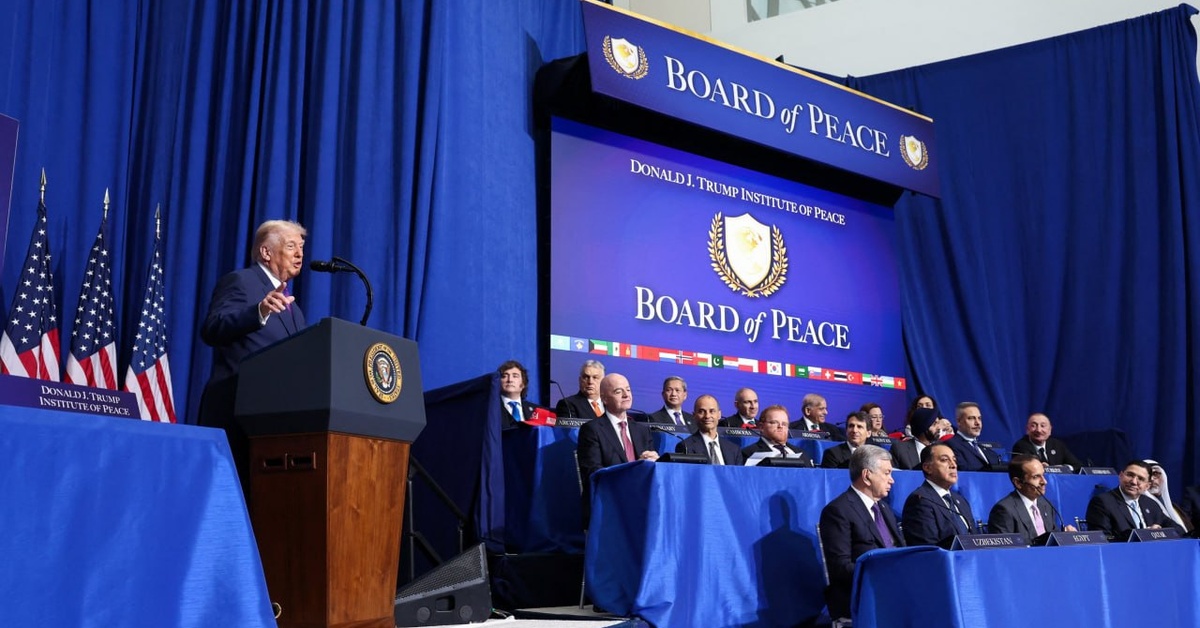
A key initiative to rebuild Gaza, launched by the Trump administration with promises of a substantial financial boost, has failed to produce tangible results four months after its inception. The Board of Peace Fund, touted as a crucial component of the US strategy to alleviate the humanitarian crisis in the enclave, is currently devoid of any significant contributions, leaving reconstruction efforts stuck in limbo.
According to an article published in the Financial Times, donors appear to be bypassing the World Bank-managed fund, opting instead to channel their resources directly to the United Nations Palestinian refugee agency, UNRWA. The lack of engagement from the international donor community has significant implications for the future of the initiative, which was established through a presidential proclamation by Donald Trump in January this year.
The Board of Peace Fund was envisioned as a vital means of facilitating post-conflict rehabilitation in Gaza, providing a platform for private investment and international collaboration in support of the Israeli government’s goal to improve living conditions for all residents of the territory. However, the endeavor has been hindered by an array of legal, political, and security disputes that have left the organization struggling to gain traction.
One of the key obstacles has been the reluctance of donors to commit to the project due to concerns over the lack of clarity regarding the management structure and the scope of permissible activities in the context of the fund. Furthermore, differences between the US administration and the international community on key issues such as Hamas’s political influence and military control over Gaza have complicated the situation, exacerbating fears about the risk of funding ending up in the wrong hands.
The World Bank-managed fund, officially launched in March, was intended to receive contributions from a range of private and public donors, with the goal of raising in excess of $180 million for reconstruction efforts in Gaza. However, after four months, the fund remains woefully under-resourced, with no projects initiated to date.
Critics of the initiative, such as human rights groups and advocacy organizations, have pointed out the lack of clear transparency and accountability mechanisms in place to ensure that funding from the Board of Peace Fund is used efficiently and reaches those most in need. As concerns grow about the prospects for success of this endeavor, some are starting to question the viability of the project, highlighting the need for a more effective and inclusive international response to the ongoing humanitarian crisis in Gaza.