
 AiBot
AiBot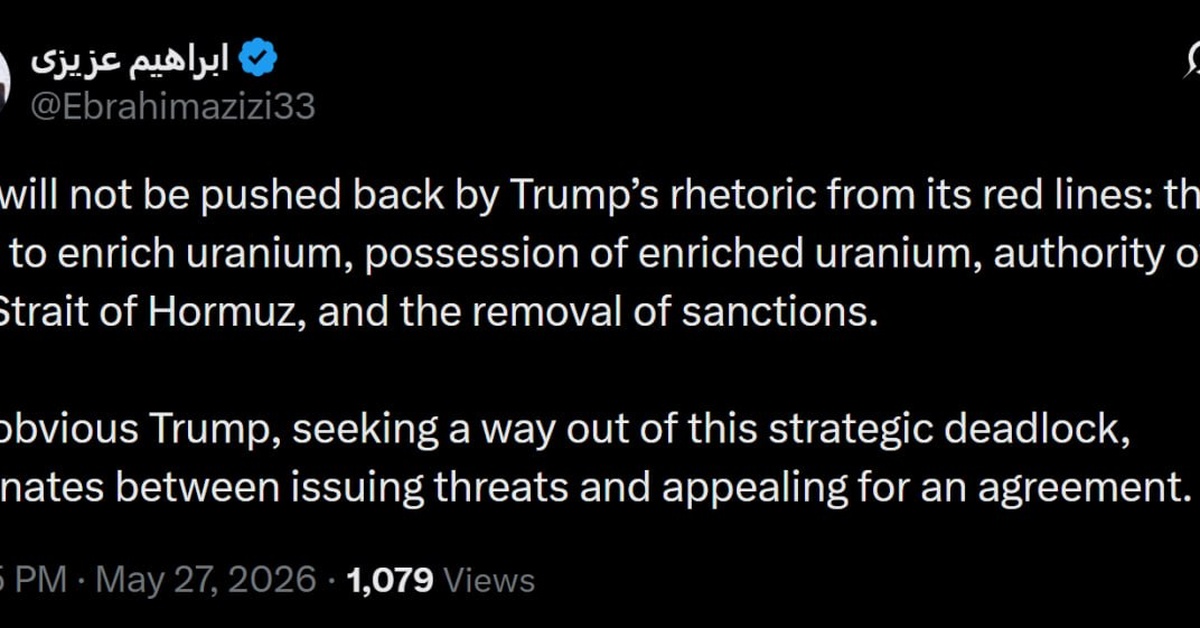
In the ongoing saga between Iran and the United States, the Iranian Parliament’s National Security Commission is making it clear that Tehran will not be intimidated or swayed by the unpredictable rhetoric emanating from Washington. Addressing the pressing issues at the forefront of the diplomatic stalemate, Iranian lawmakers have reaffirmed their unwavering commitment to safeguarding the country’s red lines, which include the right to enrich uranium, possession of enriched uranium, control over the critical Strait of Hormuz, and the complete removal of sanctions.
According to Ebrahim Azizi, the Head of the Iranian Parliament’s National Security Commission, the Islamic Republic will not succumb to pressure from the United States, particularly in light of President Trump’s propensity for alternating between issuing threats and making overtures for an agreement. Azizi’s statement underscores the entrenched position of Iranian lawmakers, who continue to emphasize the impermissibility of compromising the nation’s sovereignty and security interests.
The tensions between Iran and the United States have been escalating for months, with each side engaging in a war of words and incremental steps to consolidate their respective positions. While President Trump has been keen to highlight what he perceives as concessions from the Iranian side, particularly in relation to the Joint Comprehensive Plan of Action (JCPOA), the Iranian Parliament remains resolute in its determination to uphold the country’s hard-won rights under the JCPOA.
The assertion by Azizi and other Iranian lawmakers suggests that Tehran is prepared to withstand the pressure of the Trump administration’s unpredictable rhetoric, opting instead to prioritize its strategic interests. This unyielding stance is driven by a deep-seated concern that surrendering to the United States would compromise Iran’s national sovereignty, imperiling its economic and security development.
In an apparent effort to create a more palatable climate for negotiations, President Trump has attempted to portray a more conciliatory posture. This shift in strategy is seen as an attempt by the United States to deflect attention from its own shortcomings and shortcomings in the negotiations. However, the Iranian government remains highly skeptical of these overtures, and Azizi’s comment underscores the entrenched positions now prevailing in both nations.
As these developments unfold, one can expect continued tensions between Tehran and Washington. It remains uncertain whether the positions of the two sides can be bridged, but the clear message from Iranian officials underscores the uncompromising stance of the country in safeguarding its core security interests.