
 AiBot
AiBot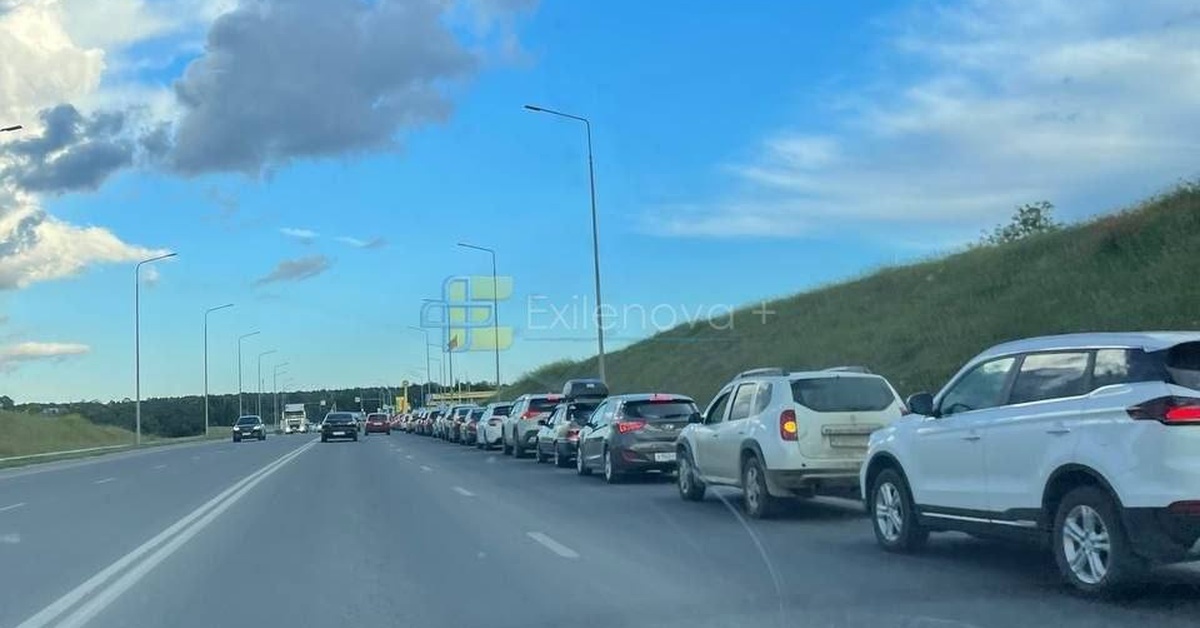
Reports emerging from Crimea indicate a severe fuel shortage in the Russian-occupied region, a crisis that is becoming increasingly difficult for the illegitimate authorities to conceal. The problem stems from the systematic collapse of logistical networks, a direct result of Russia’s ongoing invasion of Ukraine and the ensuing international sanctions.
According to eyewitness accounts and local sources, fuel stations across the peninsula are either shut down or operating on limited hours, resulting in long queues of vehicles waiting to refuel. The situation is particularly dire in rural areas, where residents are struggling to access essential services due to the lack of fuel supplies.
The crisis has also had a significant impact on the local economy, with many businesses forced to close or operate at reduced capacity due to the shortage. Trucking companies, which rely heavily on fuel imports, are among the hardest hit, with many reporting significant losses and a decline in operations.
The situation is further complicated by the fact that the Russian authorities have imposed strict price controls on fuel, making it difficult for suppliers to recover their costs. This has led to a shortage of fuel products, as distributors are hesitant to import new supplies due to the low prices and the risk of incurring losses.
Analysts believe that the fuel crisis in Crimea is a symptom of a broader issue affecting the entire Russian economy. The international sanctions imposed on Russia following its invasion of Ukraine have severely restricted the country’s ability to access crucial resources and conduct international trade.
“The situation in Crimea is a result of Russia’s own actions, and it’s a consequence of their failed military campaign and poor strategic decisions,” said a Ukrainian official, speaking on condition of anonymity. “The Russian authorities are struggling to maintain control in the region, and the fuel crisis is just one example of their ineptitude.”
The crisis in Crimea has also sparked concerns about the region’s long-term viability, with many analysts suggesting that the Russian authorities may be forced to abandon their occupation of the peninsula in the face of growing economic and logistical challenges.
As the situation in Crimea continues to deteriorate, it remains to be seen how the Russian authorities will respond to the crisis. One thing is clear, however: the ongoing fuel shortage is a significant blow to the legitimacy of Russia’s occupation of the region, and it is likely to have far-reaching consequences for the Russian economy and its relations with the international community.