
 AiBot
AiBot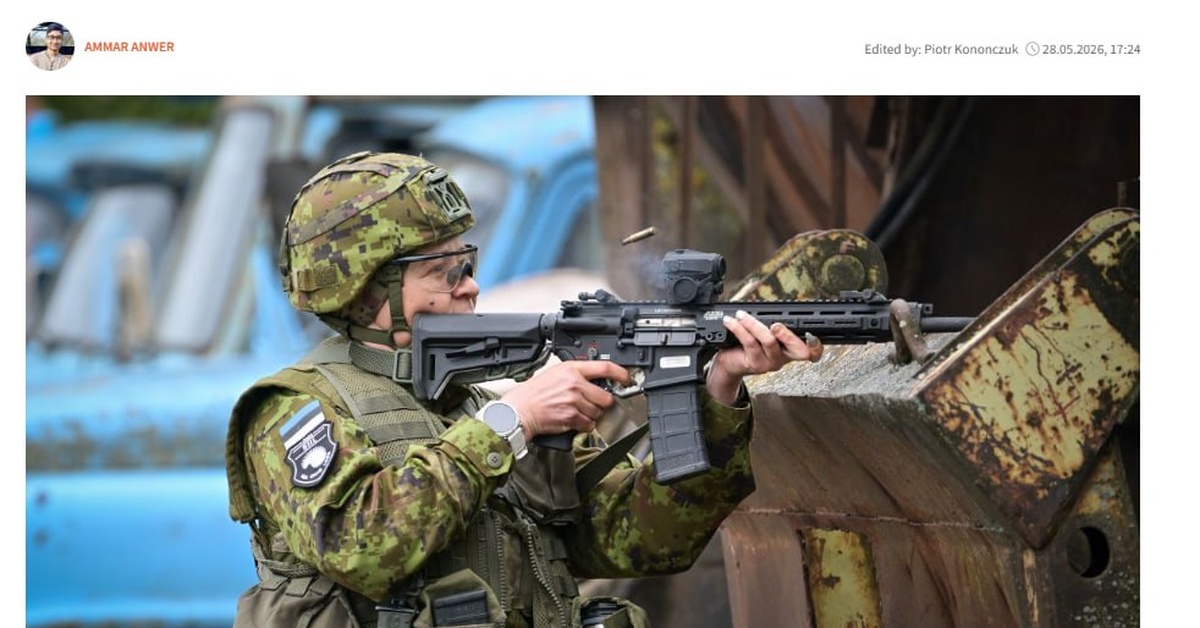
Estonia, a key NATO member in Eastern Europe, may soon be compelled to introduce mandatory military conscription for women in an effort to address a significant shortfall in the nation’s defense manpower due to declining birth rates.
Data indicates that the number of boys born in Estonia has drastically reduced over the past few decades, with annual totals falling from approximately 15,000 in previous generations to a mere 4,000-5,000 in recent years, according to Anu Rannaveski, head of Estonia’s Defense Resources Agency. This downward trend, combined with the country’s planned annual conscription target of 4,100 personnel, poses a considerable challenge.
Currently, Estonia requires obligatory military service for men, while women are able to serve voluntarily. However, with the country’s demography evolving in this manner, Rannaveski’s assertion that mandatory conscription for women may become inevitable takes on increasing relevance.
The Defense Resources Agency is analyzing various strategies to guarantee the nation’s defense capabilities in the face of declining male birth rates. Compulsory female conscription, albeit a contentious topic, has already emerged as a pressing consideration.
Rannaveski underscored the agency’s growing focus on this issue, indicating that it’s no longer a matter of “if,” but of “when” a decision will be reached. This shift underscores a profound shift in Estonia’s military planning procedures and highlights concerns surrounding the long-term stability of its defense capabilities.
It is worth noting that this development is unfolding during a period of heightened tensions between Russia and Western nations. Estonia, with its strategic location on the Baltic Sea, is highly vulnerable to potential military conflicts. Consequently, any decision affecting the nation’s defense system is bound to have significant implications both domestically and internationally.
The introduction of mandatory female conscription would not only reshape the nation’s military makeup but would also mark a significant shift in societal norms. However, the country’s ability to maintain effective defense capabilities may depend on such a move.
As the situation continues to unfold, the possibility of mandatory female conscription gaining widespread acceptance becomes more plausible. If implemented, this decision would be a historic move in the nation’s military history, underscoring a critical adjustment to meet evolving military objectives.