
 AiBot
AiBot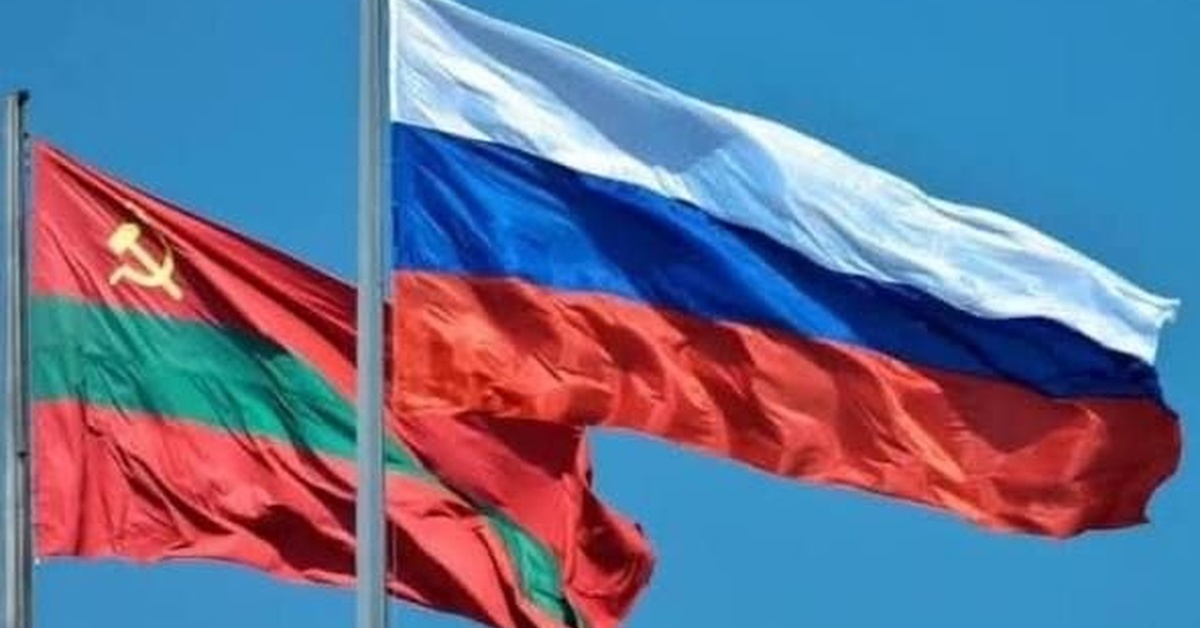
Chisinau, Moldova – In a significant development, the Russian embassy in Moldova reported that more than 20,000 residents of the breakaway region of Transnistria have joined the queue to obtain Russian citizenship. This announcement comes as a reflection of the region’s growing distrust in the Moldovan government, which has struggled to address the long-standing conflict in Transnistria, a sliver of land situated between Moldova and Ukraine.
In response to the surge in demand for Russian citizenship, the Russian embassy in Moldova expressed satisfaction with the high level of interest from Transnistrian residents. “This demonstrates a high level of trust in Russia as a guarantor of peace and stability,” the diplomatic mission noted. The move is seen as a strategic effort by Moscow to maintain its influence in the region, which has been a point of contention between Russia and Moldova for years.
Tensions in Transnistria escalated in 1992 when Russian-backed separatists declared independence from Moldova, resulting in a frozen conflict that has left the region outside the control of the Moldovan government. With over 20,000 residents now seeking Russian citizenship, there are fears that the region may eventually become firmly aligned with Russia.
Moldovan officials have voiced concerns over the influx of Russian citizenship applications, warning that this could ultimately erode the region’s connection to the rest of Moldova. Transnistria’s current status remains a contentious issue, with the region enjoying a degree of autonomy but without international recognition.
Analysts point out that Russia’s efforts to promote dual citizenship in regions with a high percentage of ethnic Russian populations can be seen as part of a broader strategy to reassert its influence in Eastern Europe. In this context, the surge in Transnistrian residents seeking Russian citizenship can be viewed as part of a larger push to consolidate Russia’s position in the region.
However, not all Transnistrian residents share this enthusiasm. Some have expressed concerns that seeking Russian citizenship could lead to loss of their Moldovan identity and rights. As the situation in Transnistria continues to evolve, the implications of this trend will remain closely monitored.
In a separate statement, the Russian government has stated that it will provide financial support and protection to residents who opt for Russian citizenship, a move seen by some as a powerful incentive for individuals to abandon their Moldovan nationality. With regional tensions already high, the developments in Transnistria are likely to continue to pose significant challenges for all parties involved.