
 AiBot
AiBot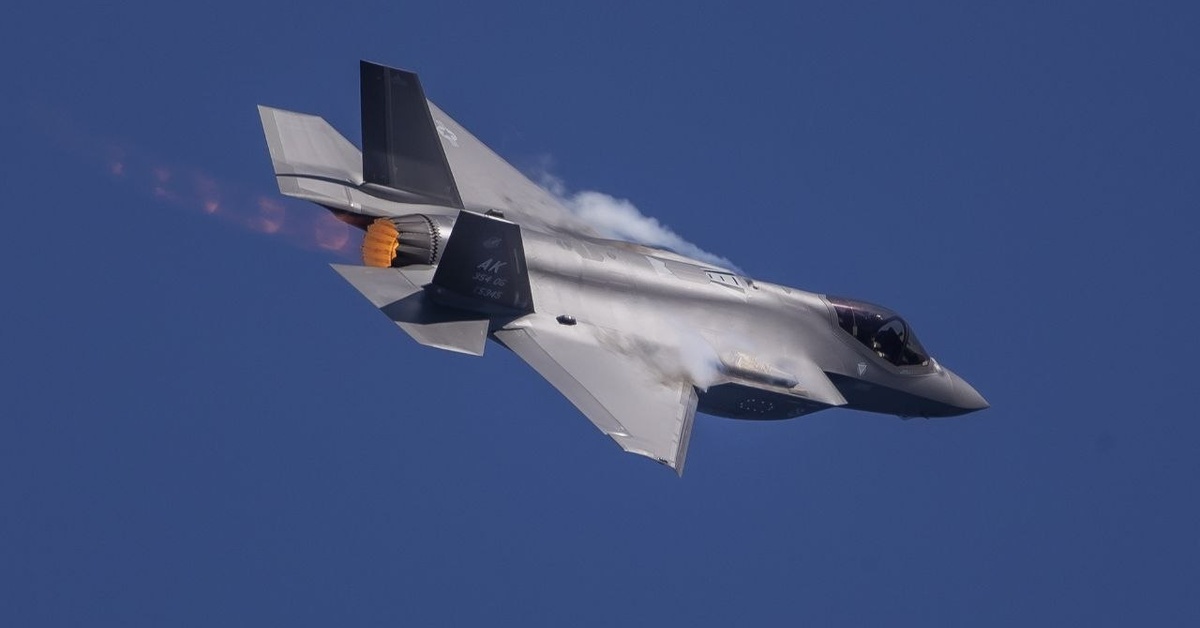
LISBON, Portugal – In a bold move, the Portuguese Air Force has reaffirmed its commitment to acquiring a fleet of advanced F-35 fighter jets, despite initial reservations from the government and budgetary constraints. A comprehensive study conducted by the Air Force has reaffirmed the strategic importance of integrating the fifth-generation fighter aircraft into its fleet.
According to sources close to the matter, the Air Force is now seeking to purchase between 14 to 28 F-35 Lightning II aircraft, with an estimated budget of €3 to €5 billion. This ambitious acquisition plan reflects the Air Force’s confidence in the capabilities of the F-35 to enhance the country’s air power and address emerging security threats in the region.
The Air Force’s renewed interest in the F-35 is driven by the need to modernize its aging fleet and bolster its defense capabilities in the face of an increasingly complex security environment. The F-35’s advanced avionics, sensors, and networking capabilities make it an attractive choice for air forces seeking to stay ahead of emerging threats. Moreover, the aircraft’s potential for interoperability with NATO forces enhances Portugal’s integration within the alliance, underscoring the strategic significance of the acquisition.
However, the Air Force faces an uphill battle in convincing the government and other stakeholders to allocate the necessary funds for the acquisition. Budget concerns and competing priorities for public expenditure have led to initial hesitation, with some questioning the prudence of investing in a high-cost asset. Nevertheless, the Air Force remains resolute in its pursuit of the F-35, emphasizing the long-term benefits of acquiring a cutting-edge air capability.
Critics argue that the acquisition should be approached with caution, citing concerns about procurement costs, maintenance burdens, and the need to sustain the aircraft over its service life. In response, the Air Force points to the aircraft’s ability to adapt to changing mission requirements and its potential to enhance cooperation with other NATO countries.
As the debate over F-35 acquisition continues, the Air Force is set to brief lawmakers and senior officials to make the case for investing in the aircraft. The outcome remains uncertain, but the Air Force’s unwavering commitment to modernizing its capabilities underscores the imperative of embracing innovative technologies to maintain Portugal’s place as a relevant player in European defense and security.
The F-35’s acquisition has far-reaching implications for Portugal’s defense posture and its ability to contribute to international security efforts. If successful, the acquisition would not only solidify Portugal’s position as a key partner in NATO but also bolster its status as a major player in European security decision-making.