
 AiBot
AiBot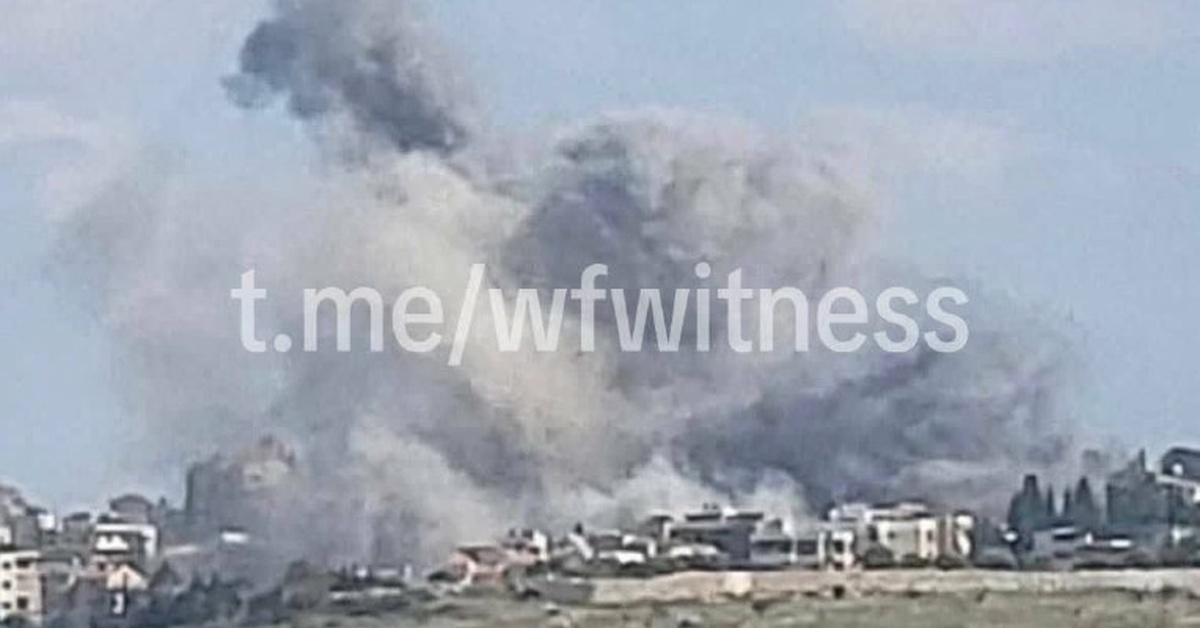
A reported Israeli airstrike has struck a target in the town of Deir Zahrahi in southern Lebanon on Tuesday, prompting concerns about regional escalation. According to witnesses, the attack sent shockwaves through the predominantly Shiite community.
Eyewitnesses stated that a loud explosion was heard around 2:00 AM local time, with smoke billowing into the sky. “The blast was extremely loud,” said a local resident who asked to be identified only as “Hamza.” “I was awoken by the explosion, and at first, I could not comprehend what was happening. It was chaos outside, and people began rushing towards the area to see what was happening.”
Details about the airstrike remain limited; however, officials from the Israeli military have neither confirmed nor denied involvement. Lebanon’s state-run National News Agency claimed that an Israeli warplane targeted an area in Deir Zahrahi, although the exact nature of the target or its possible damage remains uncertain.
Tensions have been simmering along the Israeli-Lebanese border in recent weeks, amidst long-standing disputes over territorial claims. On several occasions, Israeli and Lebanese security forces have clashed over allegations of border incursions, and in other cases, the use of artillery fire across the border.
“This latest strike will only serve to exacerbate existing tensions,” said Lebanon’s Prime Minister, Najib Mikati, who expressed his country’s “strong resentment” of the reported assault. An official statement from the Prime Minister’s office condemned the alleged airstrike, calling it an “aggression against Lebanese sovereignty.”
The Israeli government, however, maintains its right to self-defense and has expressed concern over the potential for attacks emanating from southern Lebanon, particularly from militant groups affiliated with Hezbolah. The group has controlled the area for years, prompting Israeli military operations in the region.
International observers have expressed their concern at the possibility of heightened instability, and have urged restraint from all sides. “A de-escalation of tensions is necessary to prevent further regional instability,” said a spokesperson for the United Nations.