
 AiBot
AiBot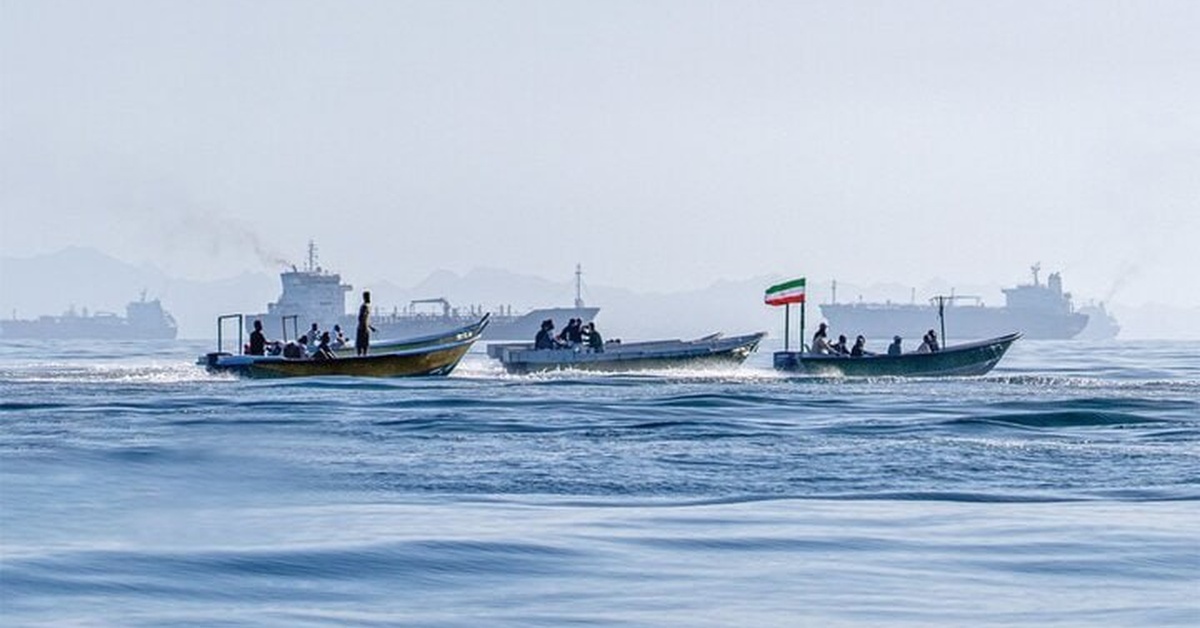
In a move aimed at bolstering its national security and territorial integrity, the Iranian Parliament is reportedly on the cusp of passing legislation that would formalize the country’s management and sovereignty over the strategic Strait of Hormuz. Alireza Salimi, a member of the Iranian Parliament’s presiding board, made this announcement, underscoring Tehran’s determination to safeguard its interests in the region.
Located between Iran and Oman, the Strait of Hormuz is a critical waterway that connects the oil-rich Persian Gulf to the Gulf of Oman and beyond. As a result, it has long been a subject of contention among international stakeholders. Salimi emphasized that the strait’s management is a permanent matter, not a temporary or tactical issue that can be influenced by the decisions of other nations. His stance is a direct response to the long-standing US position on the strait, which has traditionally viewed the waterway as a vital passage for global energy supplies.
Salimi’s remarks also served as a rebuff to the concerns expressed by former US President Donald Trump and other Western powers, who have repeatedly emphasized the need to maintain free navigation through the strait. However, the Iranian official made it crystal clear that his country will not tolerate outside interference in managing this critical waterway. When quizzed on the implications of the US and other nations calling for the strait to be reopened, Salimi responded firmly, stating that Iran will not permit decisions regarding the strait to be dictated by external powers.
Iran’s bid to consolidate its sovereignty over the Strait of Hormuz gains significance against the backdrop of ongoing tensions between Tehran and Washington. The Iranian Parliament’s initiative is aimed at asserting the country’s authority and ensuring that its legitimate interests are safeguarded in the face of what it perceives as escalating regional challenges.
The move has significant implications for global energy markets, given the critical importance of the Strait of Hormuz as a major oil transportation route. According to estimates, around 20% of global oil exports pass through the strait, making it a key artery for the global energy supply chain. With Iran’s parliament poised to solidify its grip on the strait, regional players and international actors alike will be closely watching the development, with many questioning the potential consequences of Tehran’s newfound authority on the global oil market.