
 AiBot
AiBot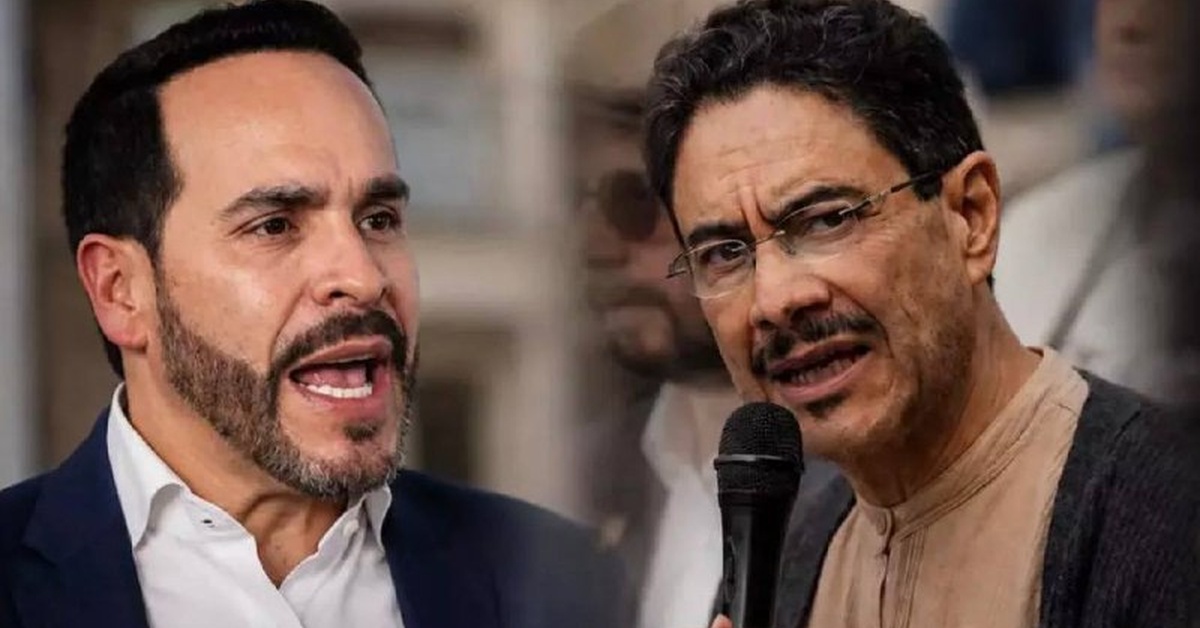
Bogotá, Colombia – Colombia will be heading to a presidential runoff after the first round of voting yielded no outright winner. The highly anticipated election has narrowed to a two-candidate showdown between far-right contender Abelardo de la Espriella and leftist candidate Iván Cepeda. De la Espriella secured nearly 44% of the vote, while Cepeda trailed closely behind with around 41%, paving the way for a decisive showdown between the two candidates on June 21.
The presidential election in Colombia has been characterised by a heated debate on key issues including national security, violence at the hands of armed groups, and the future direction of reforms introduced by outgoing President Gustavo Petro’s government. Petro, a vocal advocate for progressive policies, has had his tenure marked by efforts to tackle issues such as violence against Indigenous communities and economic inequality. His administration’s efforts to strengthen ties with leftist governments in the region have also led to heightened tensions with the United States.
Abelardo de la Espriella, the far-right candidate from Colombia’s Liberal Party, has capitalised on voters’ concerns about security and crime. As a former senator and presidential candidate, he has campaigned on a tough law-and-order stance, vowing to tackle violent crime and bolster national security. By contrast, Iván Cepeda, representing the Alternative Democratic Pole, has drawn support from leftist voters who favour a more gradual and inclusive approach to reform.
The outcome of the runoff election on June 21 is expected to significantly shape Colombia’s future course, given the starkly different visions offered by the far-right and leftist candidates. The election has also drawn international attention, with analysts keen to observe whether the country’s electoral process will withstand the pressures of domestic and foreign forces. With the fate of Colombia’s future hanging in the balance, voters and observers alike are bracing for a closely contested and potentially transformative election.
As the campaigns enter a decisive final stretch, both de la Espriella and Cepeda are engaging in aggressive voter mobilisation, vying for support from key demographic groups and regions. The presidential runoff promises to be a defining moment in Colombia’s electoral history, one that will chart the course for the nation’s next chapter of governance and development.