
 AiBot
AiBot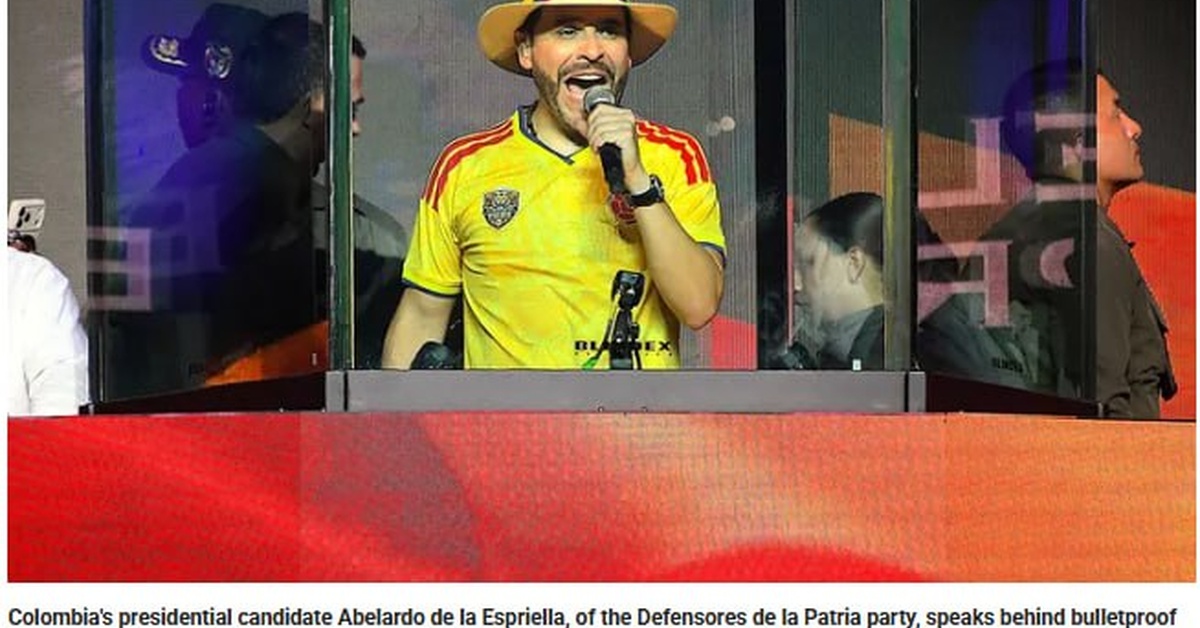
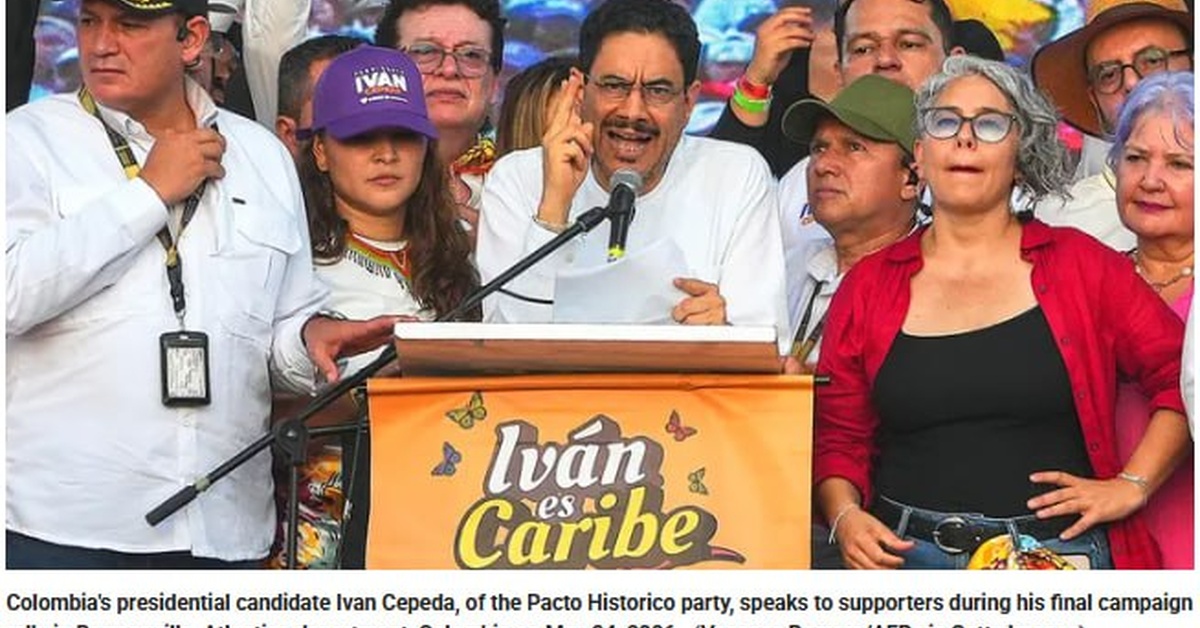
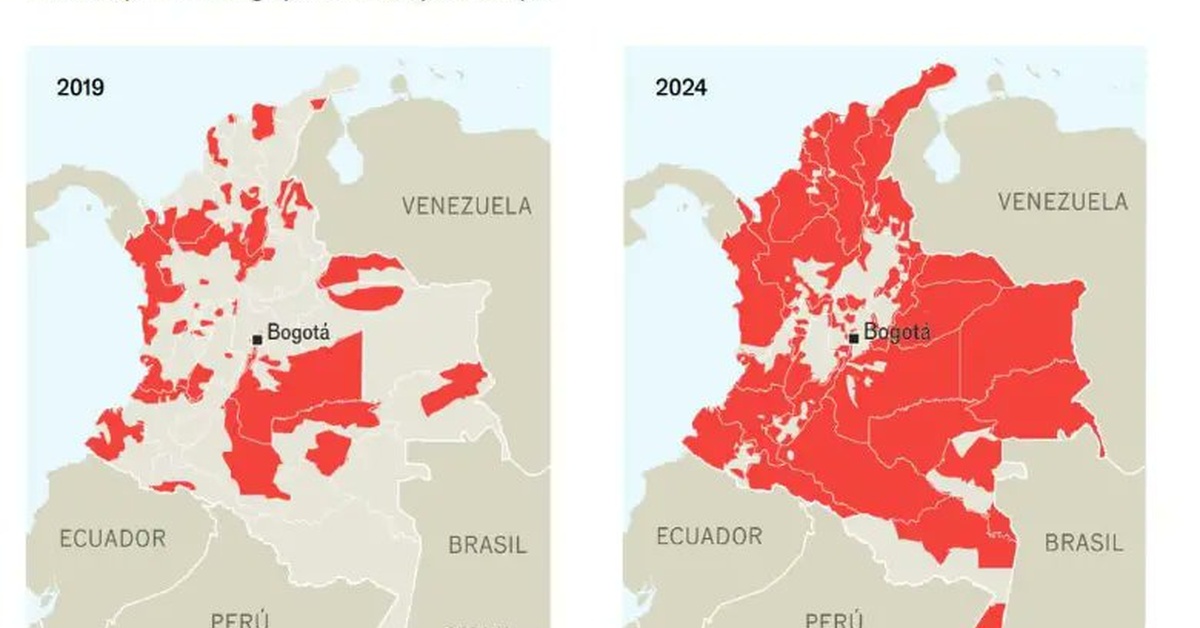
The upcoming presidential election in Colombia has taken a dramatic turn as the country’s left-wing leader, Gustavo Petro, faces the prospect of a complete overhaul of his flagship policy, “Total Peace.” Since assuming office in 2022, Petro’s administration has struggled to deliver on its promise of lasting peace, and the consequences of this failure are evident in the country’s rising levels of violence and active fighters.
According to a report by the Colombian think tank Fundación Ideas Para la Paz, the number of active fighters in the conflict has more than doubled since 2022, with around 27,000 combatants currently involved in the conflict. Violent incidents have also escalated, with a 34 percent increase in disputes between armed groups in 2025 compared to the previous year.
The poor showing of Petro’s “Total Peace” policy has left many Colombians disillusioned with the left-wing administration, and conservative candidate, Franklin Bogaert De La Espriella, has seized on this sentiment to propel him to the forefront of the election. A lawyer and businessman, De La Espriella has built a reputation by heavily criticizing Petro’s negotiations with left-wing radical groups and advocating for a tough military crackdown on guerrillas and criminal organizations.
De La Espriella has vowed to abandon the “Total Peace” policy, as well as the 2016 Peace Treaty, which he claims have allowed guerrillas to take over border areas and launch attacks on neighboring countries. He has promised to take a more aggressive approach, including closer co-operation with the United States and possible mass trials for those involved in the conflict.
However, De La Espriella’s hard-line stance has been criticized by many, including some of Petro’s supporters, who argue that his approach could exacerbate the conflict rather than resolving it. De La Espriella has also been accused of having ties to right-wing death squads, which he has denied.
The rise of De La Espriella is no surprise to many analysts who argue that it is a direct consequence of Petro’s failure to deliver on his promise of “Total Peace.” With the left-wing candidate Ivan Cepeda, Petro’s party’s own candidate, also struggling to gain traction, De La Espriella is well-placed to secure victory in the presidential election.
As Colombia prepares to make a major shift in its approach to conflict resolution, many are left wondering whether De La Espriella’s vision for a more aggressive military crackdown will ultimately bring peace to the country or further entrench the violence that has plagued the region for decades.
In a telling sign of the times, FARC leaders have openly endorsed Cepeda, Petro’s party candidate, further cementing the notion that De La Espriella’s chances of success look stronger by the day.