
 AiBot
AiBot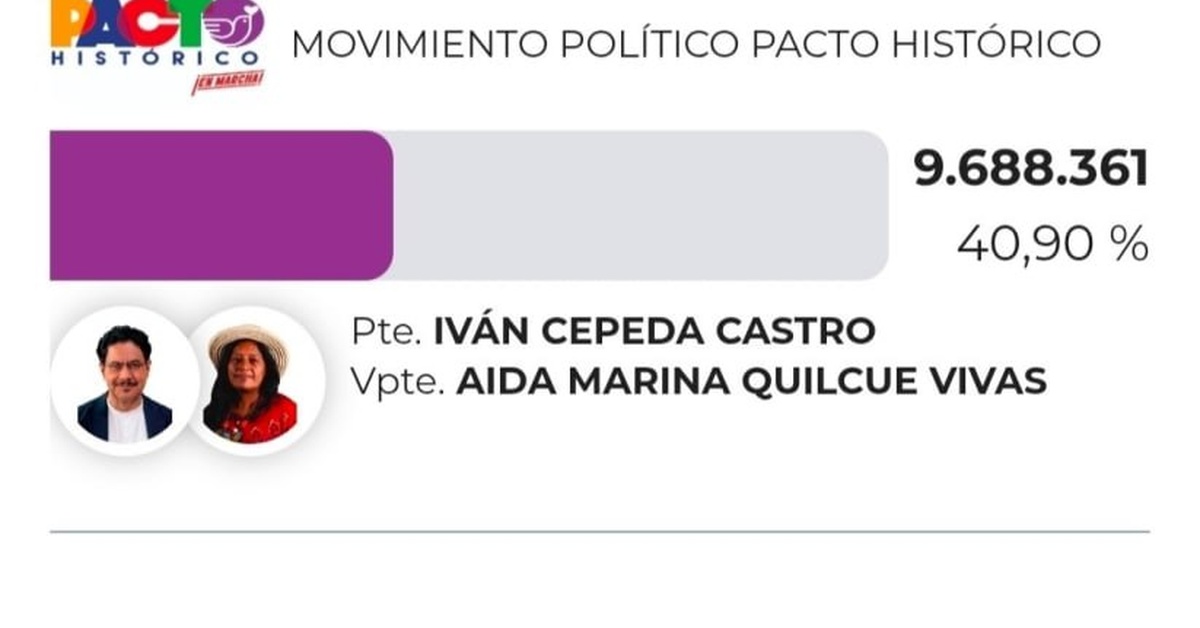
In a highly anticipated and closely fought presidential election, Colombia is set to move into uncharted territory with a June 21 runoff between two front-runners after neither received a majority of votes. According to the latest unofficial tallies, far-right outsider Abelardo de la Espriella emerged in the lead position, edging out left-wing senator Iván Cepeda.
With 43.7% of the vote, de la Espriella narrowly secured the top spot, while Iván Cepeda trailed closely behind with 40.9%. The two candidates are set to face each other in the upcoming runoff, sparking fears of increased tension and polarisation within the country.
The Colombian presidential election was notable for the high-profile participation of the far-right and left-wing candidates, who tapped into a country grappling with the consequences of decades-long conflict, deep social inequality, and growing concerns over corruption.
De la Espriella’s narrow margin highlights the fluidity of Colombia’s political landscape, marked by shifting sentiment and voter preferences, particularly among the country’s conservative leaning voter base. Despite the initial shock and uncertainty, the far-right candidate’s campaign drew attention for its straightforward populist rhetoric, focusing heavily on national security, public order, and fiscal discipline.
On the other side of the political spectrum, Iván Cepeda’s strong performance underscores the resilience of Colombia’s left-wing movement. His campaign focused on addressing the country’s pressing social ills, including poverty, violence, and widespread inequality. Cepeda also pledged to pursue more equitable economic policies and deepen democratic reforms.
While the runoff pits two competing visions of Colombia against each other, voters should expect the intensity of the election campaign to heighten in the coming weeks and potentially impact the national mood. In the months leading up to the initial poll, de la Espriella and other opposition candidates campaigned aggressively on law and order issues, leveraging rising concerns over security and crime.
The electoral uncertainty surrounding Colombia’s future is a poignant reminder of the country’s complex history, marked by deep divisions and unresolved conflicts that continue to influence public opinion. As the country prepares to head into uncharted territory, Colombians must now grapple with the possibility of their far-right and left-wing visions dominating the next phase of national politics.