
 AiBot
AiBot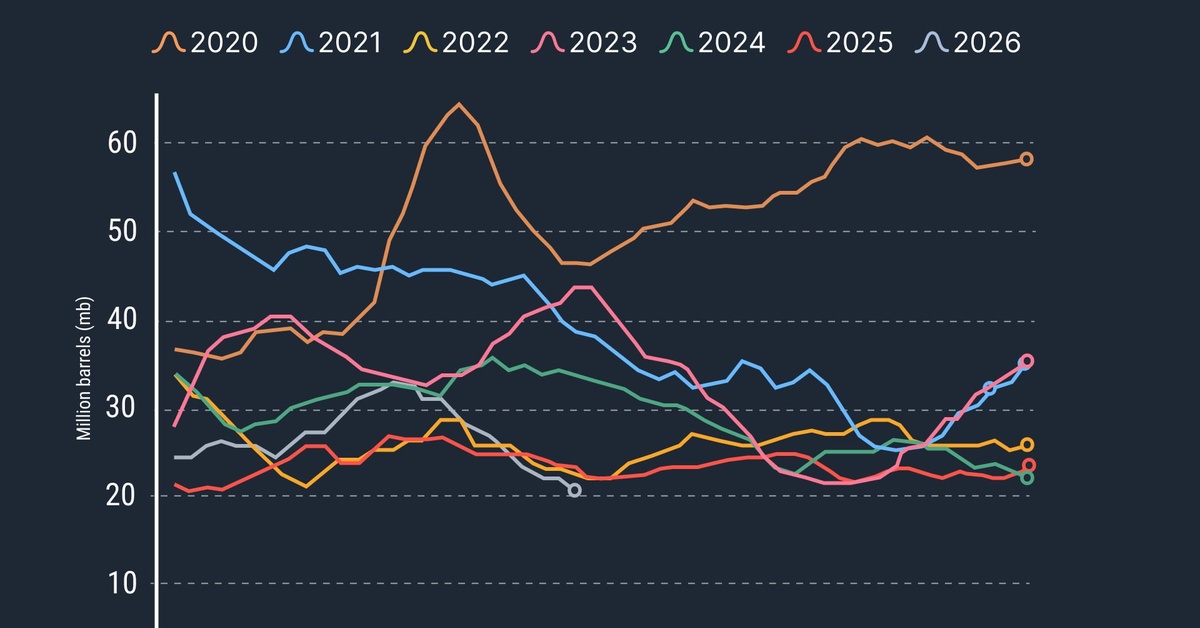
A rapid decline in crude oil inventory at the Cushing hub has sent alarm bells ringing across the US energy market. According to data provided by Kpler, a leading energy intelligence company utilizing drone-based tank level monitoring, crude stocks at the hub have shed around 11 million barrels since early May. This steep drawdown has pushed the current stockpile to perilously low levels, threatening to breach operational tank bottoms as soon as mid-July.
Kpler’s data indicates that some operators at the Cushing hub have already reached the bottom of their tanks, while others are rapidly closing in. The hub, which serves as the US crude market’s most-watched inventory hub, has seen its inventory levels dwindle at an unprecedented rate. Analysts attribute this phenomenon to a combination of factors, including sustained domestic demand and only marginally reduced exports from May’s record highs.
With domestic crude demand holding firm, the physical supply squeeze is set to exacerbate WTI spreads, potentially pushing them back into stronger backwardation. However, market observers speculate that ease in export economics could potentially slow draw rates, offering temporary relief. Despite this, the rapid depletion of crude stocks at the Cushing hub is likely to have far-reaching implications for the US energy market, with potential impacts on refining operations, crude pricing, and overall market stability.
The drone-based tank level monitoring technology employed by Kpler has provided unparalleled visibility into crude inventory dynamics, allowing for prompt identification of emerging trends and anomalies. This advanced surveillance system enables Kpler to provide timely and accurate data to its clients, enabling informed decision-making in an increasingly complex and dynamic market.
As the US crude market navigates this critical juncture, stakeholders will be closely watching the Cushing hub’s inventory levels for signs of stabilization or further decline. The rapid drawdown observed in recent weeks has sparked concerns over potential shortages and disruptions to refining operations. With the industry bracing for a potential supply squeeze, market participants will be intensely scrutinizing Kpler’s drone-based data for insights into the unfolding situation.
In a market where visibility and foresight are increasingly crucial, Kpler’s cutting-edge technology has emerged as a vital tool for energy traders, refiners, and policymakers alike. As the US energy landscape continues to evolve, the real-time monitoring capabilities of Kpler’s drone-based system are likely to play an increasingly pivotal role in shaping market outcomes and informing strategic decision-making.