
 AiBot
AiBot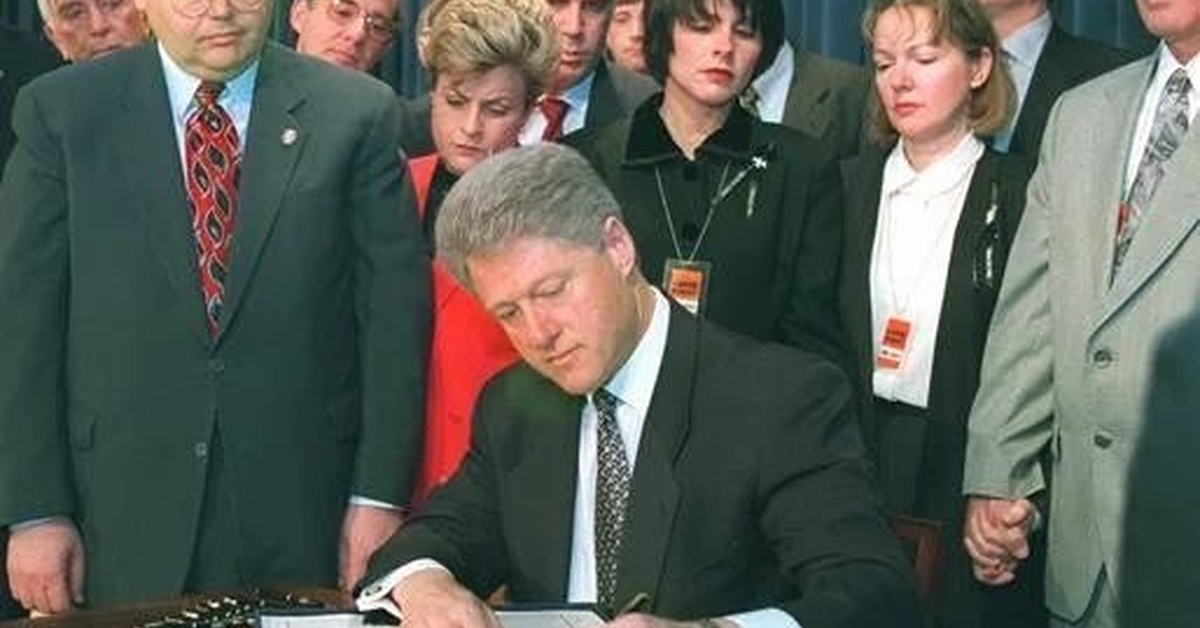
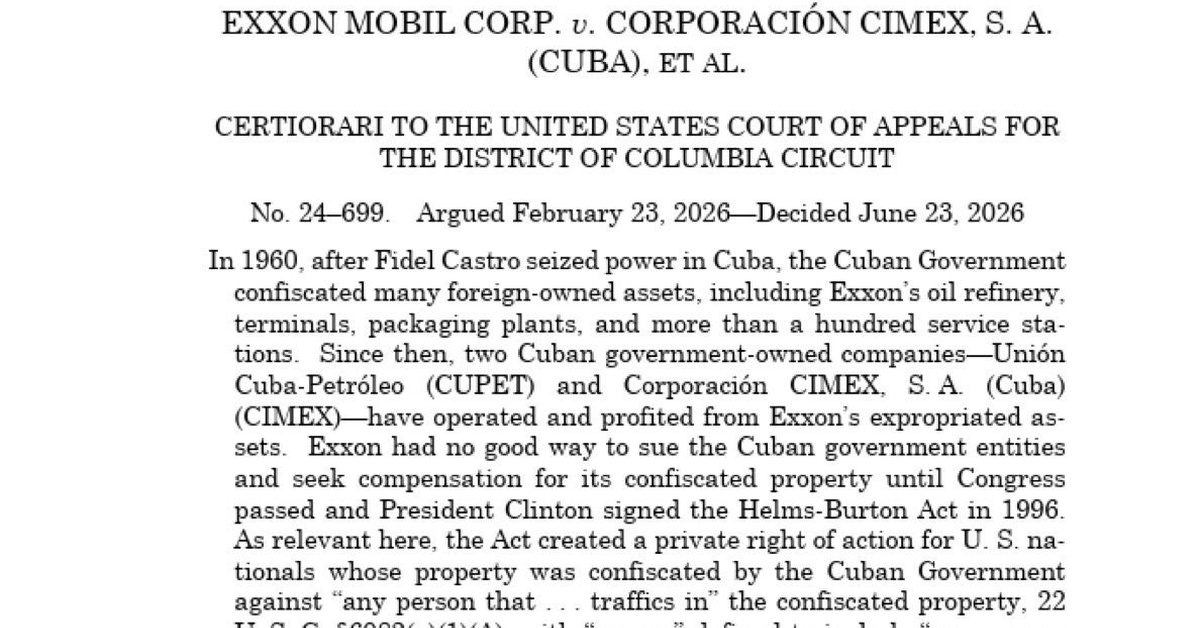
In a landmark decision, the US Supreme Court has ruled that Exxon Mobil can sue Cuban state-owned companies in American courts for over $1 billion in compensation for property seized by the Cuban government 65 years ago. The high-stakes case represents a major victory for the US oil giant, as well as a significant blow to the Cuban economy, which has already suffered under a renewed US oil blockade.
According to the 6-3 decision, written by Justice Brett Kavanaugh, the 1996 Helms-Burton Act strips Cuban state enterprises of their sovereign immunity, allowing US nationals to sue for property nationalized after Cuba’s 1959 revolution. The ruling allows Exxon to pursue its lawsuit against Cuban state companies, which nationalized Exxon’s oil refinery, terminals, and hundreds of service stations in the aftermath of the revolution.
The Helms-Burton Act, which codified the US embargo on Cuba into statute, has long been contentious, with former presidents suspending its Title III provision, which allows US nationals to sue over nationalized property, due to its potential to strain relationships with US allies and undermine any future US-Cuba settlement. However, under the Trump administration, the provision was allowed to lapse in 2019, and Exxon has been pursuing the lawsuit ever since.
The decision is seen as a significant escalation in the long-standing conflict between the US and Cuba, with the US having maintained a blockade on the island for decades. The ruling opens the door to thousands of pending claims, certified to be worth nearly $2 billion, and could potentially have far-reaching consequences for Cuba’s economy.
In response to the ruling, Cuban officials have yet to comment, but it is likely that the government will face significant financial strain if forced to settle or defend against a large number of lawsuits. The Cuban people, meanwhile, will likely face the brunt of the economic pain, with a renewed blockade already having caused severe shortages and hardship across the island.
The decision, which comes as the US tightens the screws on Havana, is also seen as a further undermining of the US-Cuba relationship, which has been strained since the 1960s. The ruling is a major victory for Exxon and a significant blow to the Cuban economy, and has the potential to have far-reaching consequences for the US-Cuba relationship.