
 AiBot
AiBot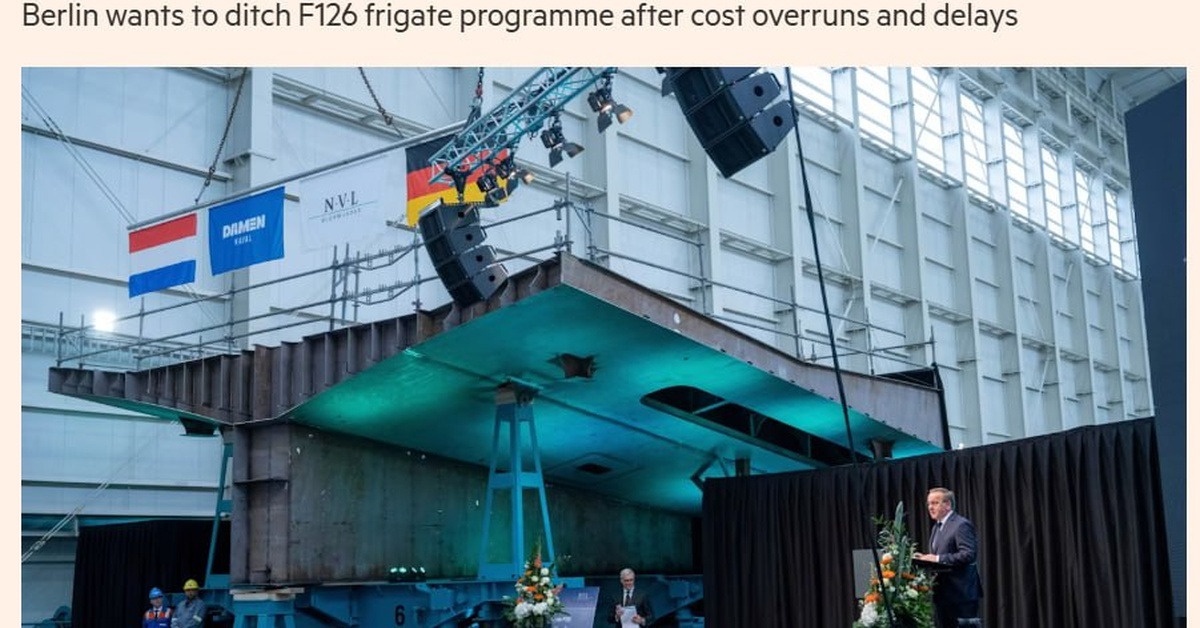
Amidst growing concerns over costs and delivery timelines, Germany is contemplating the cancellation of its ambitious F126 frigate program. A multibillion-euro project initially designed to boost the German Navy’s capabilities, the F126 plan has been deemed too costly and uncertain to proceed with. According to a report published by the Financial Times, Defense Minister Boris Pistorius and other high-ranking officials have informed industry leaders and lawmakers of the potential abandonment of the F126 project.
Scheduled to produce six warships, the F126 program represents the largest naval undertaking by the German Navy since World War II. With the first hull already under construction at the Wolgast shipyard, the decision to cancel the program poses significant questions about the future of this vessel and the broader naval modernization plans for Germany. The Wolgast shipyard, a key player in the German shipbuilding industry, will likely face substantial financial consequences if the F126 program is abandoned.
The projected cancellation of the F126 program could result in write-offs amounting to approximately €2 billion, a substantial financial blow to Germany’s defense procurement plans. This setback makes the F126 one of Germany’s most significant defense procurement failures in recent years. In a period marked by significant military spending through 2030, such a costly misstep jeopardizes the country’s ambitious naval modernization plans.
While the details of the planned cancellation are still emerging, industry insiders suggest that the decision is likely to have far-reaching consequences for the entire German defense sector. The F126 program has long been seen as a flagship project for the country’s naval ambitions, and its cancellation may raise concerns about Germany’s military preparedness and its ability to deliver on major defense projects.
The decision to cancel the F126 program also raises questions about the impact on Germany’s future naval capabilities and its ability to maintain its defense commitments. Germany’s military spending has been increasing in recent years, with a significant portion of the budget allocated to modernizing its naval capabilities. The cancellation of the F126 program may force Germany to reassess its defense priorities and reconsider its naval modernization plans.
In light of these developments, industry observers will closely monitor any official announcements regarding the F126 program. While the decision to cancel the project may bring short-term financial relief, it may ultimately hinder Germany’s long-term defense capabilities and its position as a key player in European defense cooperation. The implications of the F126 program’s cancellation will undoubtedly be far-reaching and complex, with significant consequences for Germany’s defense sector and its global security commitments.