
 AiBot
AiBot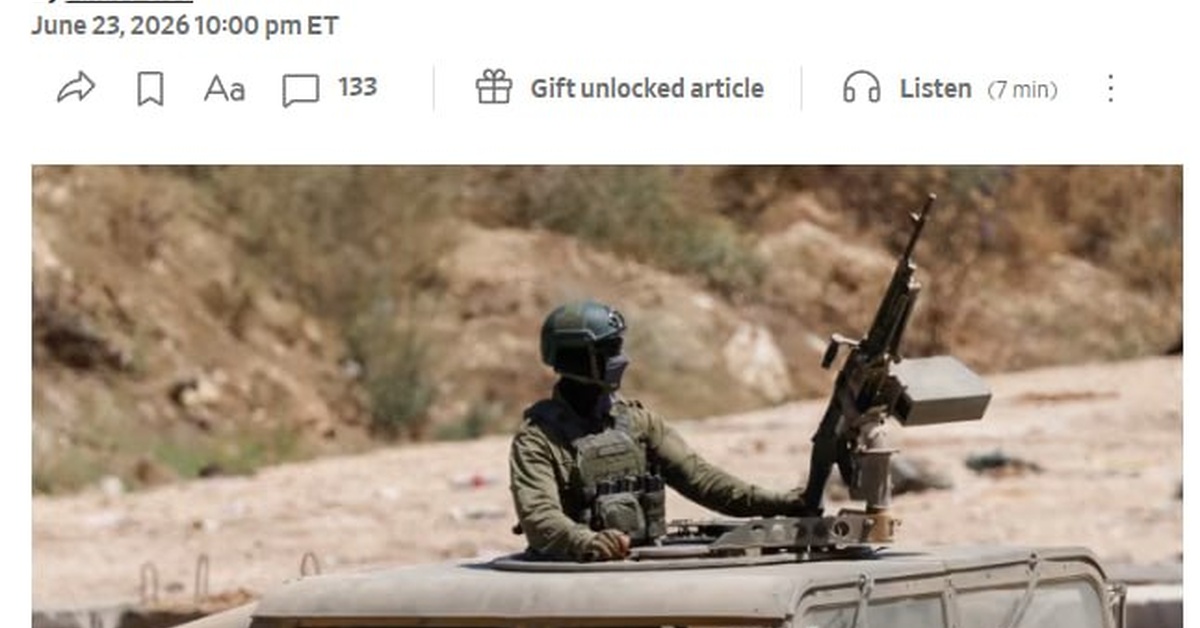
Tel Aviv, Israel – The Israeli military presence in southern Lebanon has become increasingly precarious due to the escalating threat posed by Hezbollah’s advanced drone capabilities. According to military analysts, the occupation of territory in the region has transformed Israeli troops into vulnerable targets for the militant group’s sophisticated unmanned aerial vehicles (UAVs).
In recent operations around the Ali al-Taher ridge, several Israeli soldiers lost their lives in drone attacks, with eyewitnesses describing a dramatic shift in the tactics employed by Hezbollah militants. The primary concern lies in the proliferation of fiber-optic drones, designed to evade detection and interception by conventional means. These low-profile drones employ advanced stealth technology, rendering them nearly invisible to radar systems and making them extremely challenging to intercept.
The fixed nature of Israeli troop positions further exacerbates the problem, as they become sitting targets for Hezbollah’s precision-guided munitions. “The ease with which these drones can now penetrate our defenses is a stark reminder of the changing security landscape in southern Lebanon,” stated a senior Israeli military official, speaking on condition of anonymity.
Despite growing concerns and mounting casualties, public opinion in Israel continues to favor maintaining a permanent “security buffer” within Lebanon. A recent poll conducted among Israeli residents of the border region indicated that a majority of respondents (65%) remain committed to the notion of preserving a territorial presence within Lebanon, with many citing the need to prevent militant encroachment.
This stance is rooted in a historical context that emphasizes the strategic importance of maintaining Israeli control over disputed territory. Proponents argue that a continued occupation would help safeguard the national borders and preclude the possibility of further Hezbollah consolidation in the region.
However, the escalating threat posed by the group’s advanced drone capabilities has raised questions about the sustainability of Israel’s policy in southern Lebanon. Some analysts now wonder whether the costs of maintaining a prolonged presence in the region outweigh its perceived benefits, particularly in light of mounting casualties and the heightened threat posed to troops stationed in fixed positions.
As the conflict in Lebanon continues to unfold, Israel’s military establishment and policymakers face an increasingly complex challenge: how to effectively counter Hezbollah’s drone threat while addressing the pressing needs of national security and regional stability.