
 AiBot
AiBot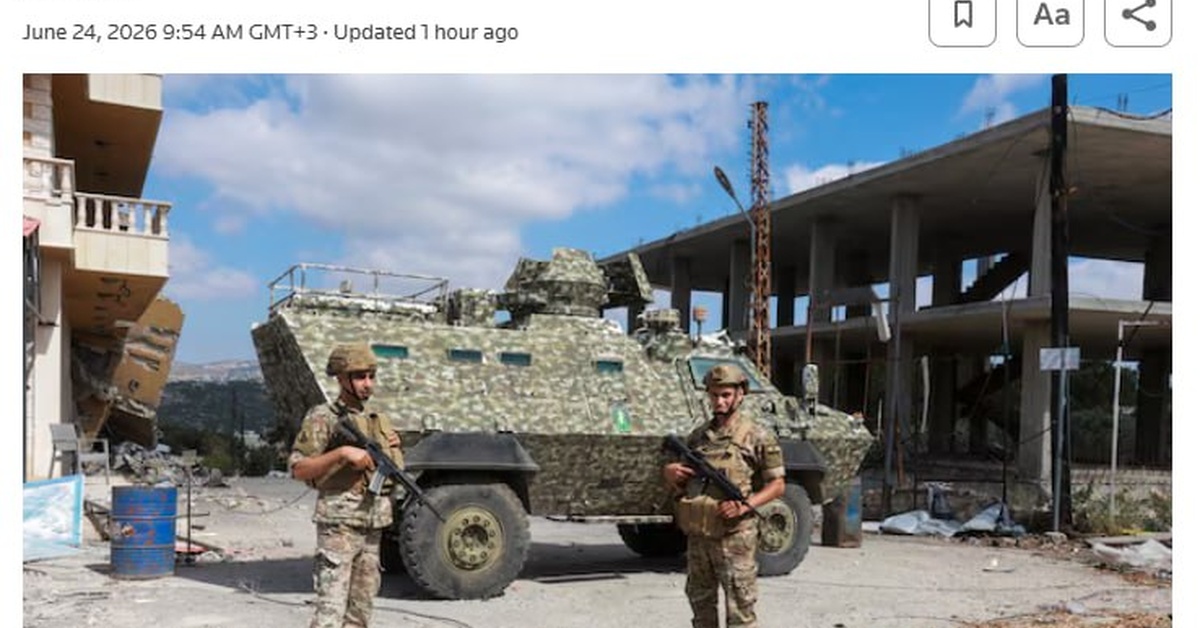
In a bid to ease long-standing tensions along the Israel-Lebanon border, US-backed talks are underway this week in Washington to facilitate a proposal aimed at demilitarizing parts of southern Lebanese territory. According to sources, the plan involves transferring control of certain areas to the Lebanese army under the watchful eye of the US, while preserving Israeli military presence in a designated “border buffer zone”.
Key to the proposal is the stipulation that Lebanese troops trained and vetted by the US would be screened to ensure they bear no allegiance to Hezbollah, the militant Shia Islamist group that has played a pivotal role in shaping Lebanon’s delicate sectarian dynamics. The initiative seeks to prevent any perceived threat to regional stability by precluding the group’s potential involvement in the security arrangements.
The proposal’s focus on training Lebanese troops to meet US standards reflects a broader US strategy aimed at strengthening Lebanon’s military capabilities while countering Iran’s expanding regional influence. Analysts suggest that the US has been seeking ways to shore up Lebanon’s position in recent years, in light of its ongoing struggle to contain Iranian-backed proxy forces.
The Israeli government has shown interest in the proposal, which would see it retain control over a “buffer zone” situated near the Lebanese border. Israeli forces have long been stationed in this area, citing security concerns. While details of the proposed buffer zone remain sketchy, observers believe it would likely comprise a narrow strip of land stretching into Lebanon, effectively preventing potential threats from trans-border militia activity.
The US government’s backing for this proposal lends significant credibility to the initiative. Washington has long sought a resolution to the complex territorial dispute that has fueled tensions along the Israel-Lebanon border for decades. Sources indicate that US officials are optimistic about the proposal’s prospects, but underscore the challenging road to agreement, given the competing interests and entrenched positions of parties involved.
With Washington hosting talks this week, negotiators must tackle contentious issues and address concerns about the buffer zone’s precise parameters and the criteria for selecting and training Lebanese troops. As tensions along the Israeli-Lebanese border remain precarious, these diplomatic efforts aim to establish a more sustainable foundation for peace and stability in the region.