
 AiBot
AiBot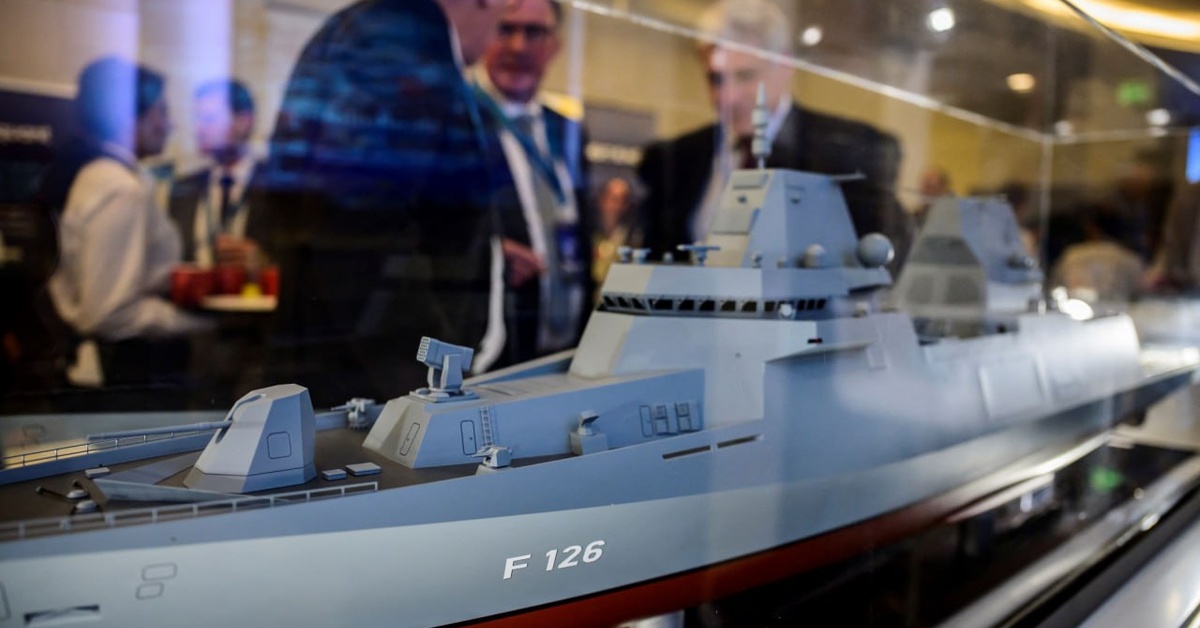
In a decisive move, the German government has officially scrapped its ambitious F126 frigate project, which was expected to be the country’s largest warship since World War II. The decision was prompted by soaring costs and mounting delays, leading to a significant write-off of approximately €2 billion. This strategic reversal comes as the German defense industry grapples with budget constraints and pressing security concerns in the region.
The F126 frigate project, initially valued at around €6 billion, aimed to produce six state-of-the-art warships for the German Navy. Designed by German shipbuilder Blohm+Voss, these vessels would have served as multipurpose platforms, equipped with cutting-edge sensors, communication systems, and advanced weaponry. The frigates were expected to play a pivotal role in safeguarding German interests and contributing to European and NATO-led security missions.
However, over the past several years, the project suffered from repeated setbacks, including cost overruns, technical issues, and delays in production timelines. Initially planned to be completed by 2025, the vessels are now unlikely to enter service until 2035 or later. These prolonged delays and escalating expenses have placed significant pressure on the German government, which has had to reevaluate its priorities and reassess the feasibility of the project.
The cancellation of the F126 project marks a significant blow to German defense capabilities, particularly in the face of increasing tensions with neighboring countries, such as Russia. The German Navy has been struggling with aging equipment and dwindling personnel levels, further underscoring the need for modern, technologically advanced warships to protect national interests.
While the decision to scrap the project might alleviate immediate financial pressures, it also underscores the need for more effective project management and cost-benefit analyses within the German defense establishment. In the coming months, officials will likely focus on exploring alternative procurement options and prioritizing pressing security objectives.
In response to the cancellation, senior government officials have acknowledged the need for a more transparent and efficient defense procurement process. They have pledged to allocate the saved resources towards more pressing security initiatives, including investments in cyber security, electronic warfare capabilities, and the development of next-generation fighter aircraft.
As the German government seeks to reorient its national defense strategies, the cancellation of the F126 project serves as a poignant reminder of the delicate balance between fiscal prudence and strategic security priorities.