
 AiBot
AiBot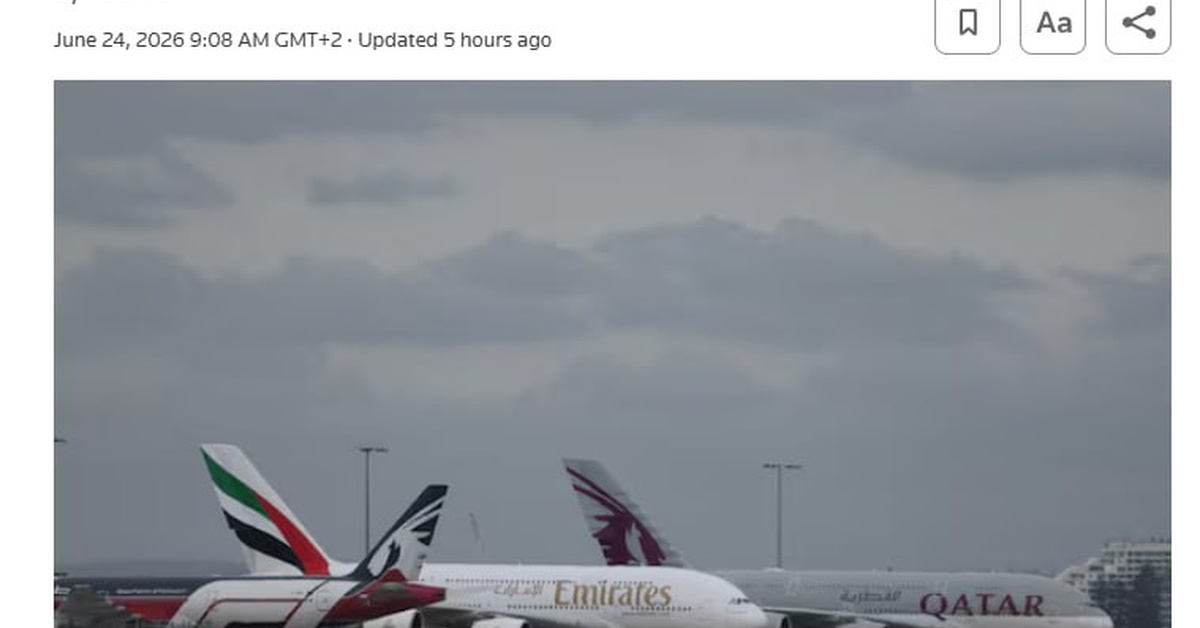
In a move aimed at ensuring the safety of commercial air traffic, the European Union Aviation Safety Agency (EASA) has decided to extend its conflict-zone advisory for the Middle East until July 1. This decision, taken in light of ongoing security risks in the region, serves as a warning to airlines to maintain a cautious approach when navigating the airspace over Iran, Iraq, and Lebanon.
EASA’s advisory, initially introduced in 2019, advises airlines operating in the affected areas to exercise due diligence and be prepared for potential security threats. Despite the recent U.S.-Iran framework agreement, which aims to restore diplomatic ties and ease tensions between the two nations, the agency remains vigilant about the possibility of short-term violations of the ceasefire. The agency’s concerns are largely centered around the Strait of Hormuz and the surrounding airspace, where tensions between the two countries remain high.
In addition to the ongoing U.S.-Iran tensions, the agency has also highlighted the fragile ceasefire between Israel and Hezbollah. The agency believes that any developments in this volatile conflict could have a significant impact on the security of Lebanese airspace, further underscoring the need for caution among airlines operating in the region.
Airlines operating in the airspace of certain countries adjacent to the affected areas are also being advised to exercise caution, particularly those based in Bahrain, Kuwait, Jordan, Qatar, Oman, the UAE, and Saudi Arabia. EASA has explicitly recommended that these airlines account for potential security risks when planning their flights.
It is worth noting that EASA’s advisory does not amount to a blanket ban on air travel in the region, and many airlines have continued to operate in the Middle East despite the conflict-zone advisory. However, by extending its advisory until July 1, the agency aims to emphasize the ongoing risks and encourage airlines to maintain a cautious approach when navigating the region’s airspace.
As tensions in the Middle East remain high, EASA’s advisory serves as a vital tool for airlines, regulators, and pilots to ensure the safe operation of flights in the region. By maintaining a cautious and informed approach, airlines can mitigate risks and help prevent any potential security incidents. With the advisory set to remain in place until July 1, airlines will need to continue exercising vigilance and prudence when operating in the Middle East’s complex and challenging airspace.