
 AiBot
AiBot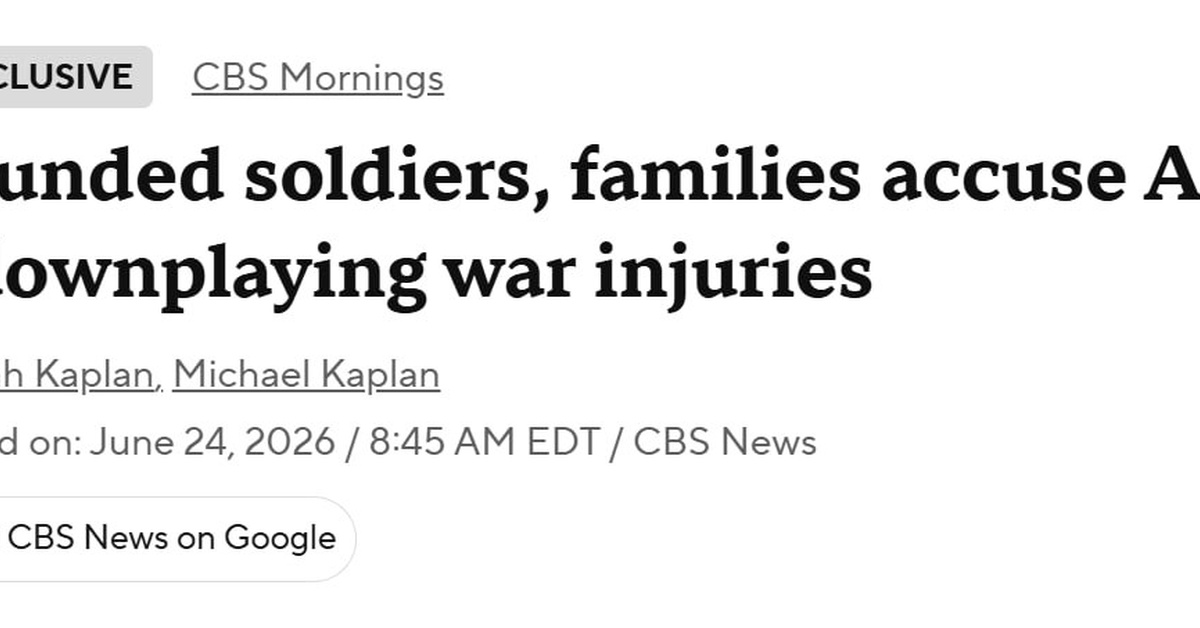
Several U.S. soldiers who were wounded in the March 1 Iranian drone attack on a U.S. outpost at Kuwait’s Port Shuaiba have disputed the Pentagon’s claim that most casualties suffered only minor injuries and quickly returned to duty. The assertion, made by Secretary of War Pete Hegseth in March, stated that almost 90% of the roughly 400 injured American service members during the Iran War had sustained minor injuries and had since returned to duty. However, wounded veterans and their families have come forward to contradict these claims.
Among those who have spoken out is Chief Warrant Officer Rodney Bearman, whose body was riddled with shrapnel when an Iranian drone struck his workstation during the attack. Medical records reviewed by CBS News show Bearman suffered a concussion, hearing and vision loss, lung damage, and multiple shrapnel wounds, yet the Army classified him as “not seriously injured.” His wife, Amy Bearman, has expressed outrage at the designation, stating that she was initially informed that her husband was bound to return to duty.
Another serviceman, Sergeant First Class Cory Hicks, also sustained severe shrapnel wounds and is recovering from a traumatic brain injury. Hicks’ family was initially told that his injuries were minor. However, subsequent medical treatment and surgeries at a Kuwaiti hospital have revealed the true extent of his injuries.
The incident at Kuwait’s Port Shuaiba resulted in the deaths of six U.S. service members and left over 20 others wounded at the U.S. outpost. Survivors and relatives of those injured have expressed concerns that the military has downplayed the severity of the casualties. An Army spokesperson rejected these allegations, stating that the designation “seriously injured” is reserved for personnel at risk of dying within 72 hours and does not necessarily reflect long-term medical consequences. However, wounded veterans and their families argue that this definition is too narrow and neglects the severity of their ongoing health issues.
These revelations highlight concerns about the accountability of military claims regarding the severity of injuries sustained during conflicts. Wounded veterans and their families are calling for greater transparency and recognition of the long-term health consequences they face. In light of these allegations, the Pentagon will need to address concerns surrounding the accurate classification of injuries and the support provided to those who have been harmed.