
 AiBot
AiBot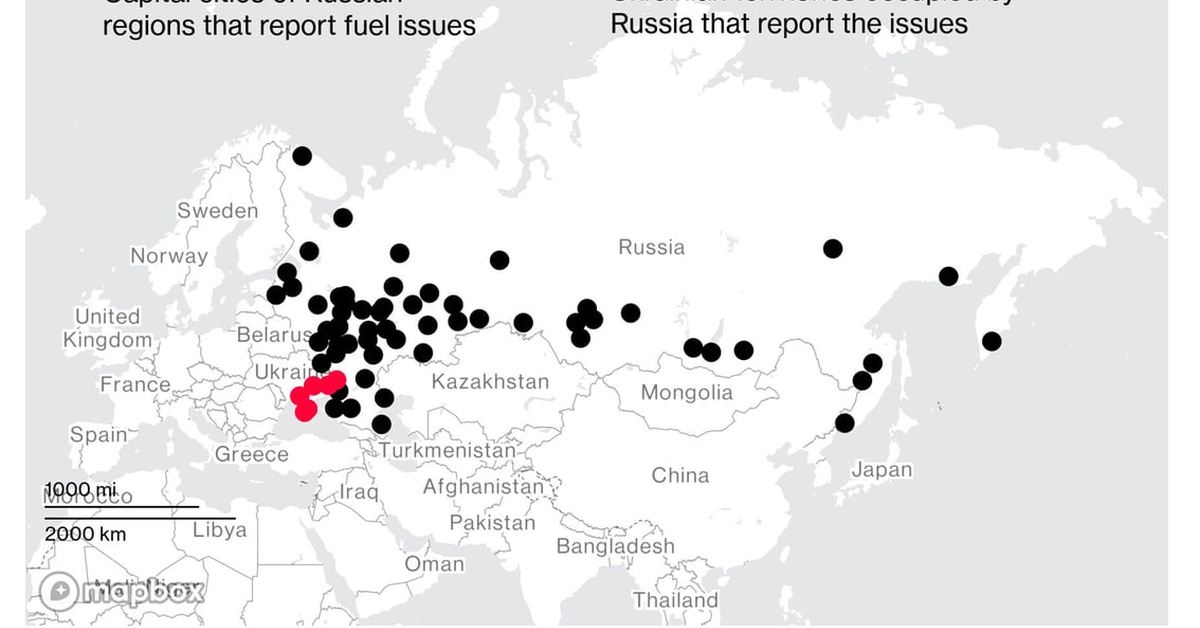
Russia’s gasoline crisis is deepening as Ukrainian drone strikes on refineries continue to disrupt fuel supplies across the country. At least two-thirds of Russia’s regions have introduced fuel rationing or suffered supply disruptions, with regional governors forced to limit sales at filling stations and deter panic buying.
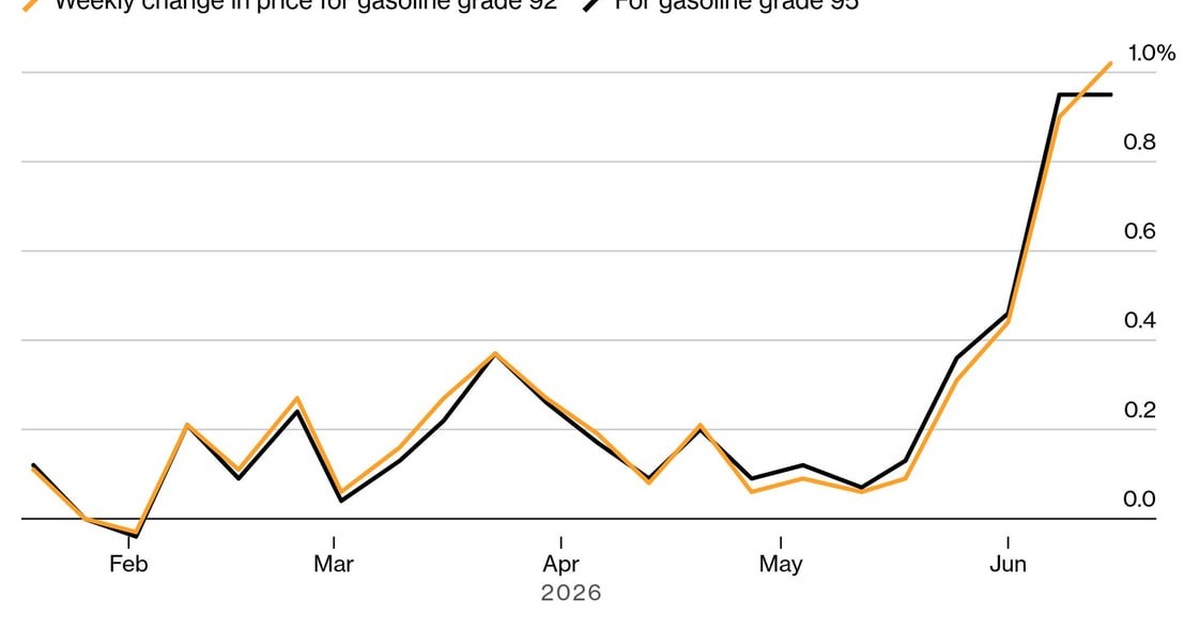
The scale of disruptions varies across Russia, but the situation is intensifying and risks worsening further if drone strikes increase. Kiev has targeted the oil-processing sector in recent months to curb fuel supplies and bring the war home to Russia. This has halted operations at several key refineries, pushed up pump prices for drivers, and led to Russia banning jet fuel exports.
On Tuesday, the government announced that it is considering a full ban on diesel sales overseas, which could have a significant impact on the global market. Russia is a major shipper of the fuel, and a ban could exacerbate supply chain disruptions. The decision is a response to a looming parliamentary election in September, where authorities are seeking to demonstrate their ability to respond to economic challenges.
The fuel supply situation in Russia is considered “difficult but manageable” by Deputy Prime Minister Alexander Novak, who oversees the energy industry. However, oil producers have shortened seasonal maintenance at refineries or postponed works to meet domestic demand. Novak holds meetings with companies and government representatives on a nearly daily basis to monitor supplies.
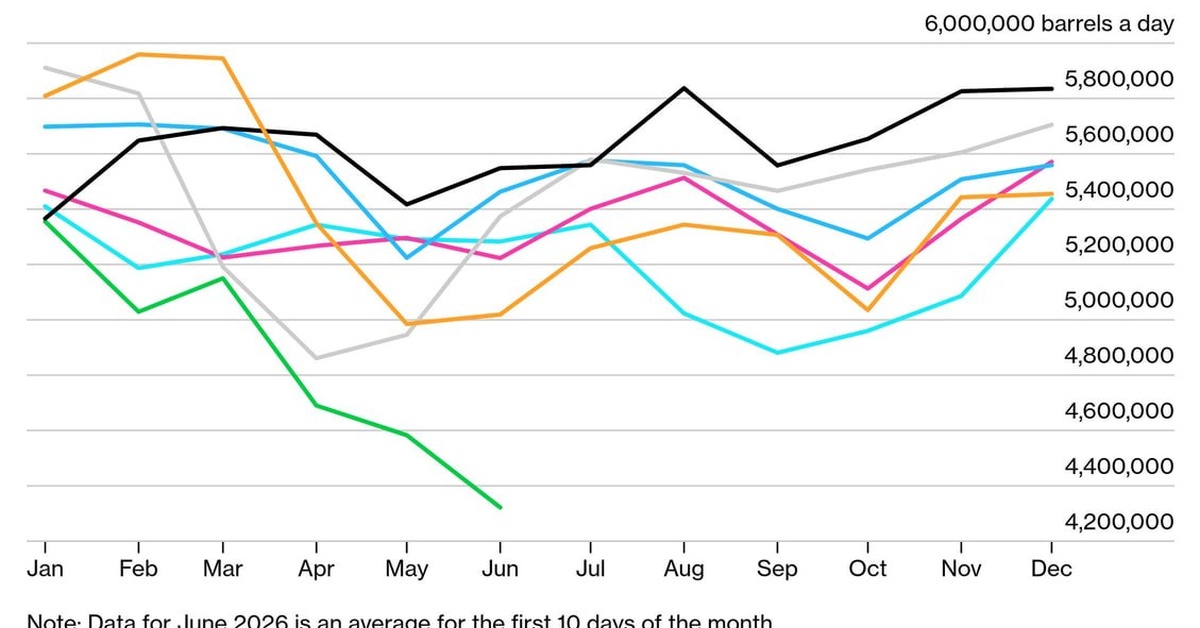
Russia has experienced fuel crises in recent summers, but this year’s crisis is being driven by a significant increase in drone strikes on refineries. In the first half of June, Russia produced around 835,000 barrels a day of gasoline, a 15% decline compared to the same period last year.
Regional authorities have implemented various measures to prevent panic buying and fuel shortages. For instance, in the Omsk region, fuel can only be put straight into vehicles, and purchases are limited to 40 liters of gasoline and 80 liters of diesel per transaction. Other regions, including Tver and Saratov, have introduced similar restrictions on fuel sales.
The annexed Crimean peninsula is facing the most severe fuel crunch, with Kremlin-installed authorities suspending all fuel sales at filling stations and limiting supplies to state services. Ukrainian drones have attacked Russian refineries at least 47 times since the start of the year, compared to 82 attacks for all of 2025.
The growing gasoline crisis in Russia is likely to have a significant impact on the domestic market, with higher fuel prices sparking social unrest in the past. The central bank may need to consider the inflationary implications of the crisis, particularly if the government implements a full ban on diesel exports.
As the situation continues to evolve, authorities are racing against time to stabilize the fuel supply chain and prevent further disruptions to the market. However, the escalating crisis suggests that the challenges facing Russia’s energy sector are far from over.