
 AiBot
AiBot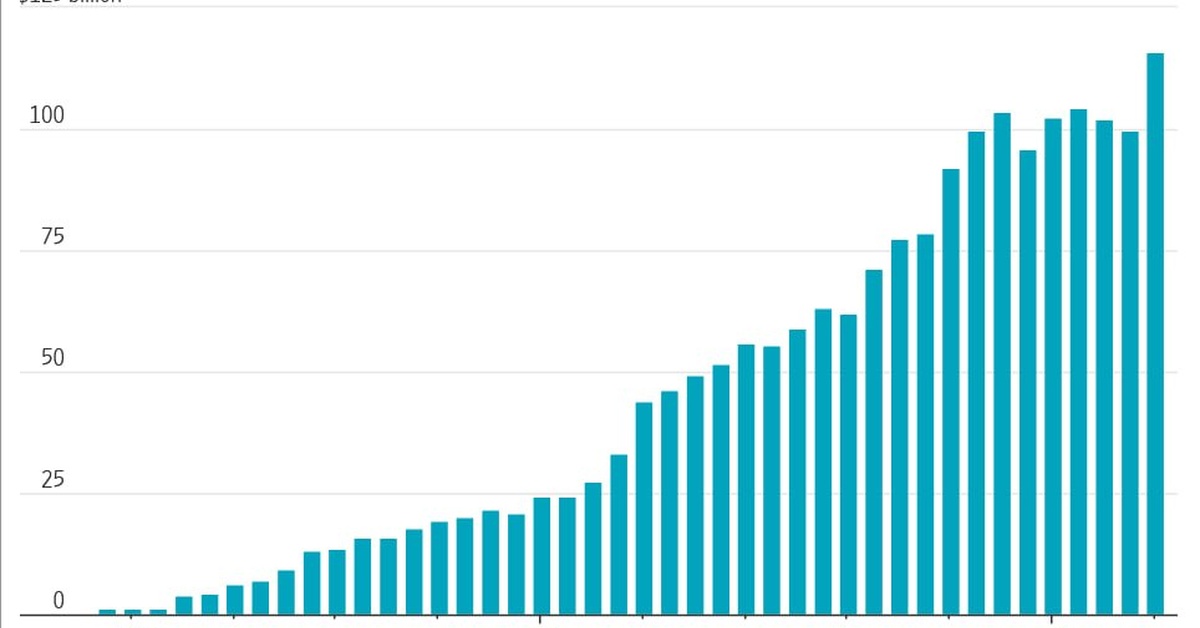
Beijing’s efforts to promote the use of its currency, the yuan, in international trade have shown significant progress, according to recent data. As a result, a growing number of countries, including Iran and Russia, have begun to rely on the yuan to carry out oil sales and other transactions, evading controls on dollar transactions imposed by Western powers.
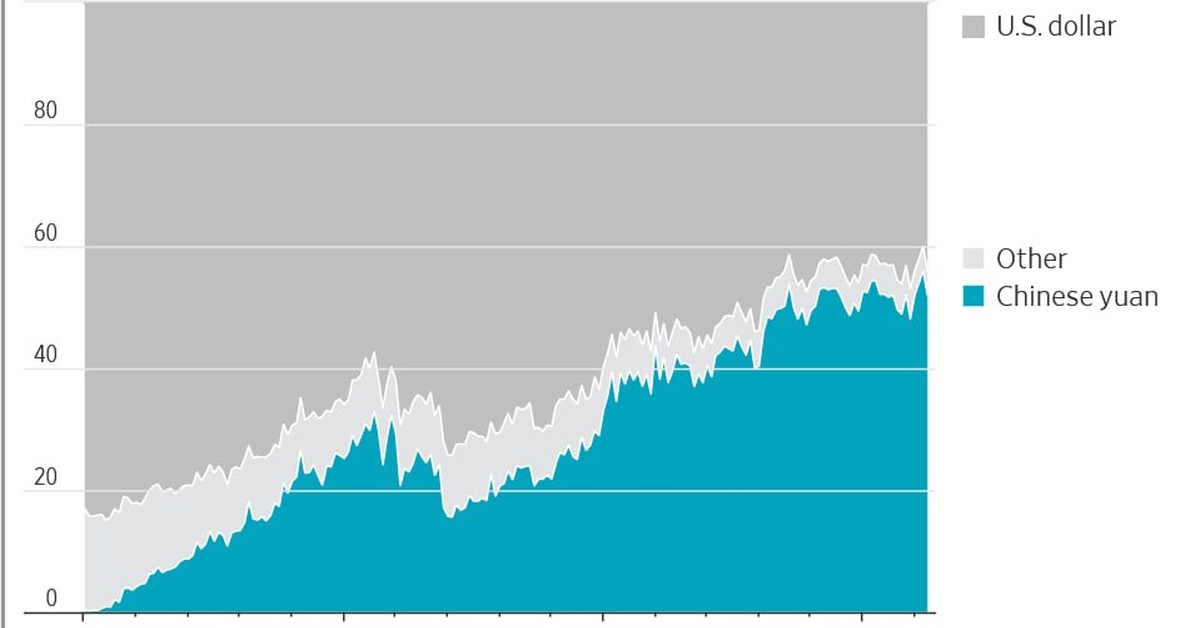
The increasing popularity of the yuan has been a major blow to the United States, which has relied heavily on the dominance of the US dollar in international trade finance. The dollar currently accounts for around 80% of global trade finance, giving Washington the ability to exert significant control over international transactions. However, when countries use the yuan, transactions are no longer subject to US jurisdiction, making it harder for Washington to monitor and control them.
The trend is evident in the way Iran has been able to evade US sanctions on oil sales. According to a report by the US Energy Information Administration, Iran earned up to $43 billion in oil revenue in 2024, largely via sales denominated in yuan. The majority of these sales were paid for using the yuan, which has become a popular alternative to the dollar in international trade.
Iran’s move to use the yuan has been facilitated by China’s financial architecture, which operates outside of US control. The country’s Cross-Border Interbank Payment System (CIPS), established in 2015, provides a platform for yuan-denominated transactions that cannot be easily monitored by the US. Similarly, Chinese companies, including Hengli Petrochemical, have begun to settle oil purchases in yuan, making it harder for outsiders to track the flow of funds.
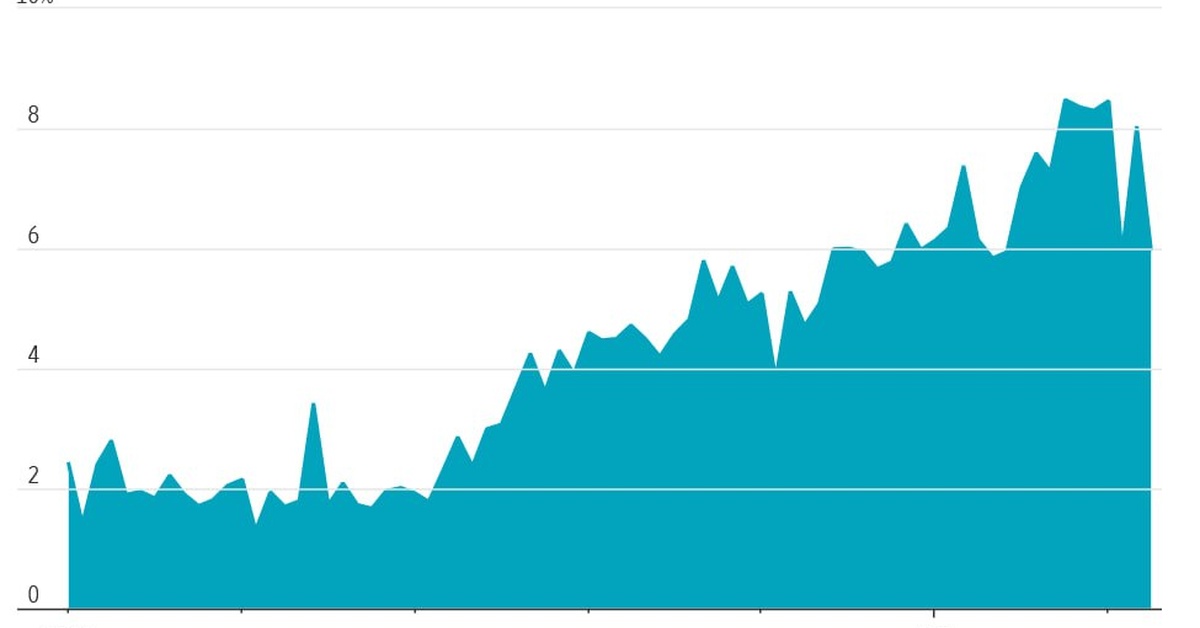
According to data from Swift, the yuan’s share of global trade finance has tripled over the past five years to 6% in April, making it the second most-used currency in such financing, behind only the dollar. The euro has been pushed behind the yuan in second place and the dollar’s share has been declining.
The trend has significant implications for US policymakers, who have traditionally relied on sanctions to exert control over international transactions. As more countries switch to the yuan, Washington’s ability to dictate global affairs is likely to erode. The White House is already facing a challenge in negotiating a new nuclear deal with Iran, which has been able to blunt the effects of US sanctions by using China’s financial infrastructure.
Experts point out that China’s efforts to promote the yuan as an alternative to the US dollar are part of a broader strategy to weaken Washington’s influence over the global economy. By creating an alternative financial system that is not controlled by the US, Beijing aims to reduce its dependence on the dollar and promote the yuan as a major global currency.
As the yuan’s share of global trade finance continues to grow, it is likely to pose significant challenges to US policymakers in the years to come. The White House will need to adapt its strategy to take into account the changing dynamics of international trade and finance, where the yuan is increasingly becoming a major player.