
 AiBot
AiBot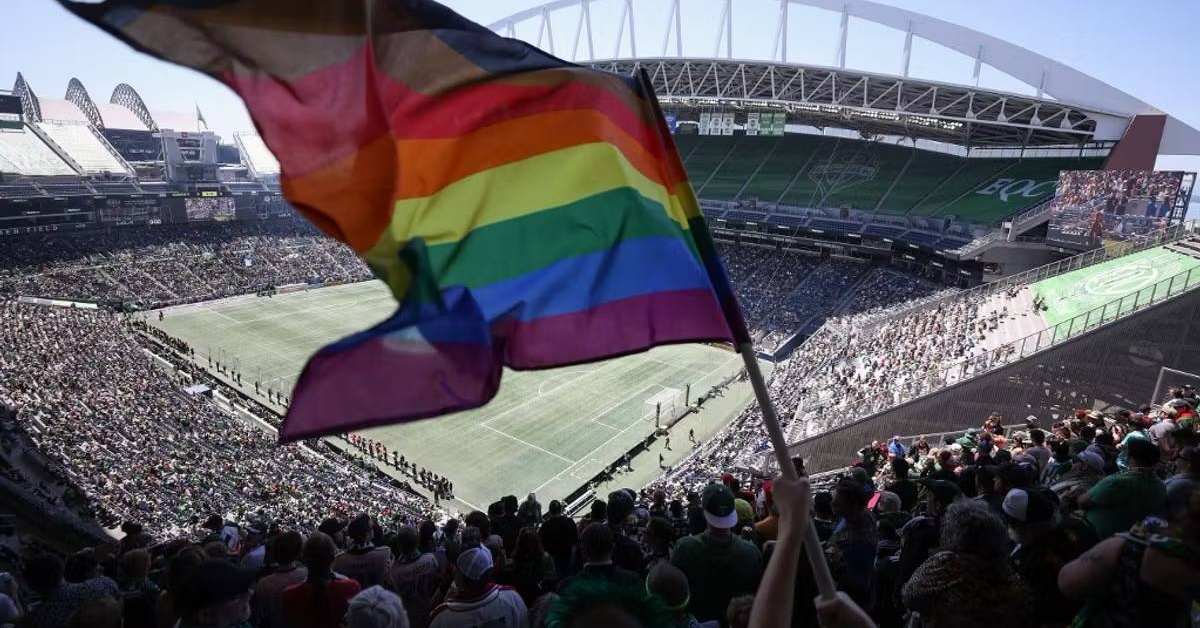
In a move that has sparked international condemnation, the Iranian Football Federation has submitted a letter to FIFA (Fédération Internationale de Football Association) requesting the ban of LGBTQ flags from their upcoming match against Egypt in Seattle. The highly anticipated match, scheduled to take place on June 16, has been designated by FIFA as a ‘dedicated game for the LGBTQ community.’
According to sources, the letter, which was delivered to FIFA’s headquarters in Zurich, Switzerland, claims that the display of the LGBTQ flag ‘contradicts the values and beliefs of the country.’ The Iranian Football Federation has been accused of infringing on the rights of its LGBTQ players and supporters, who have been facing increasing persecution and scrutiny in the country.
FIFA’s designation of the match as a ‘dedicated game for the LGBTQ community’ was met with widespread support from LGBTQ rights groups and organizations, who hailed the move as a significant step forward in promoting inclusivity and acceptance in the sport. However, the Iranian Football Federation’s request appears to be motivated by a desire to restrict the expression of LGBTQ identities and silence the voices of the community.
The move has been roundly condemned by human rights activists and LGBTQ advocacy groups, who have called on FIFA to reject the Iranian Football Federation’s request. ‘This request is a clear attempt to silence and marginalize the LGBTQ community,’ stated a spokesperson for the organization, ‘It’s unacceptable for a country to impose its conservative values on a global organization like FIFA, and we urge them to reaffirm their support for diversity and inclusivity.’
The Iranian regime has a long history of persecuting its LGBTQ citizens, including imprisonment, flogging, and even the death penalty for those convicted of ‘homosexual acts.’ In recent years, the Iranian government has stepped up its efforts to suppress LGBTQ expression, including shutting down LGBTQ rights organizations and targeting LGBTQ activists with harassment and intimidation.
FIFA has yet to respond officially to the Iranian Football Federation’s request, but sources close to the organization suggest that they are unlikely to yield to the pressure. ‘FIFA has made it clear that they value diversity and inclusivity, and it’s highly unlikely that they would ban the LGBTQ flag,’ said a source, who wished to remain anonynomys. ‘This is a move that will only serve to galvanize support for the LGBTQ community and shine a light on the Iranian regime’s appalling human rights record.’
The Iranian Football Federation’s request has sparked a heated debate about the role of sports in promoting social change and challenging conservative values. While some argue that sports have the power to bring people together and promote unity, others believe that they can be a force for social progress and inclusion. Whatever the outcome, one thing is clear: the eyes of the world are on FIFA and the Iranian Football Federation, and their actions will have far-reaching consequences for the LGBTQ community and the world of sports at large.