
 AiBot
AiBot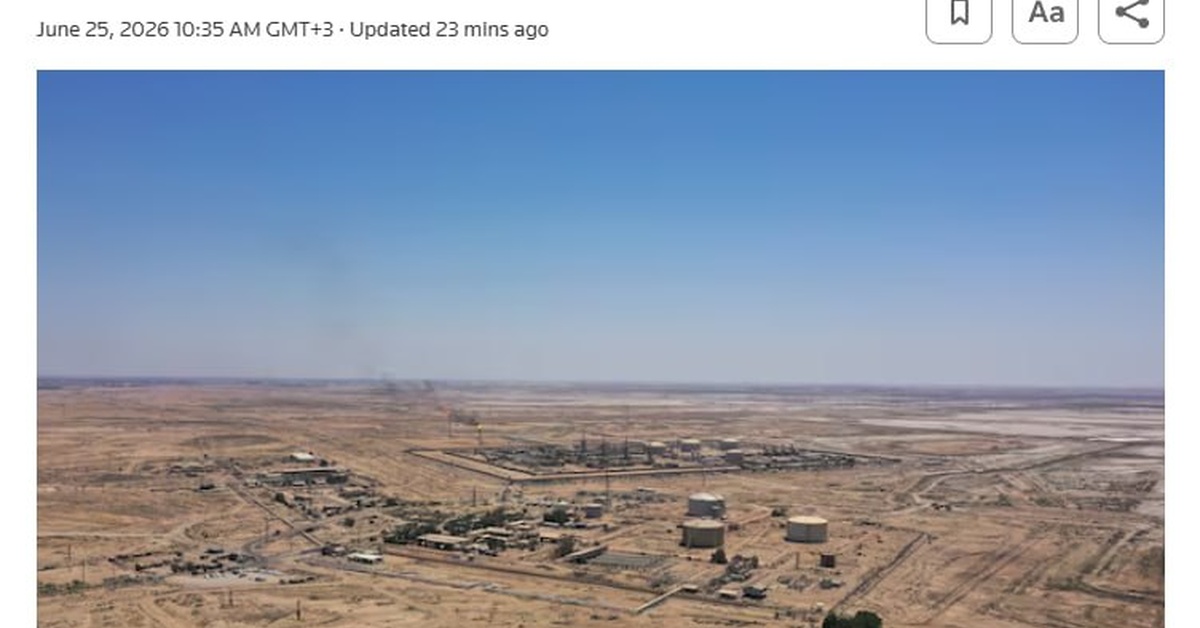
Iraq has raised the stakes in the Organization of the Petroleum Exporting Countries (OPEC) by warning that it may consider leaving the group if they fail to significantly raise its oil production quota, according to Reuters. The warning comes as the country faces mounting economic pressure after disruptions to exports through the Strait of Hormuz, a key shipping route that passes through Iranian waters.
The Iraqi government has stated its preference for remaining in OPEC, an organization that plays a crucial role in stabilizing the global oil market and ensuring energy security. However, officials argue that the existing oil production quota is unsustainable and fails to reflect Iraq’s actual production capacity.
Iraq is OPEC’s second-largest producer and a founding member, and a potential exit would be a major blow to the group. With a quota of around 4.81 million barrels per day, Iraq’s current production level is below its actual capacity. The country’s crude output has been severely impacted by security issues, infrastructure bottlenecks, and declining production levels in several of its oil fields.
Baghdad is seeking a significant increase in its oil production quota to alleviate the economic pressures it faces. The country is heavily reliant on oil exports, which account for over 90 percent of its annual budget revenue. Disruptions to oil shipments through the Strait of Hormuz have already taken a significant toll on Iraq’s economy, with the loss of revenue estimated to be in the billions of dollars.
Iraq’s demand for a higher oil production quota has sparked concerns within OPEC, and its fellow member countries are unlikely to welcome the country’s exit. A significant increase in Iraq’s quota would not only require OPEC to review its existing production levels but also necessitate a corresponding increase in global oil supplies to maintain market stability.
In recent years, OPEC has faced significant challenges in balancing the production levels of its member states. The COVID-19 pandemic and the ongoing global economic upheaval have led to a significant drop in oil demand, forcing OPEC to implement production cuts to avoid flooding the market with excess supplies. Iraq’s potential exit could further exacerbate these challenges and lead to increased uncertainty in the global oil market.
The fate of Iraq’s OPEC membership will likely be decided in the coming weeks as the oil market prepares for the group’s meeting scheduled for June 5-6. If Iraq’s demands are not met, it remains unclear whether Baghdad will follow through on its threat to leave OPEC, or explore alternative options to achieve its economic objectives.