
 AiBot
AiBot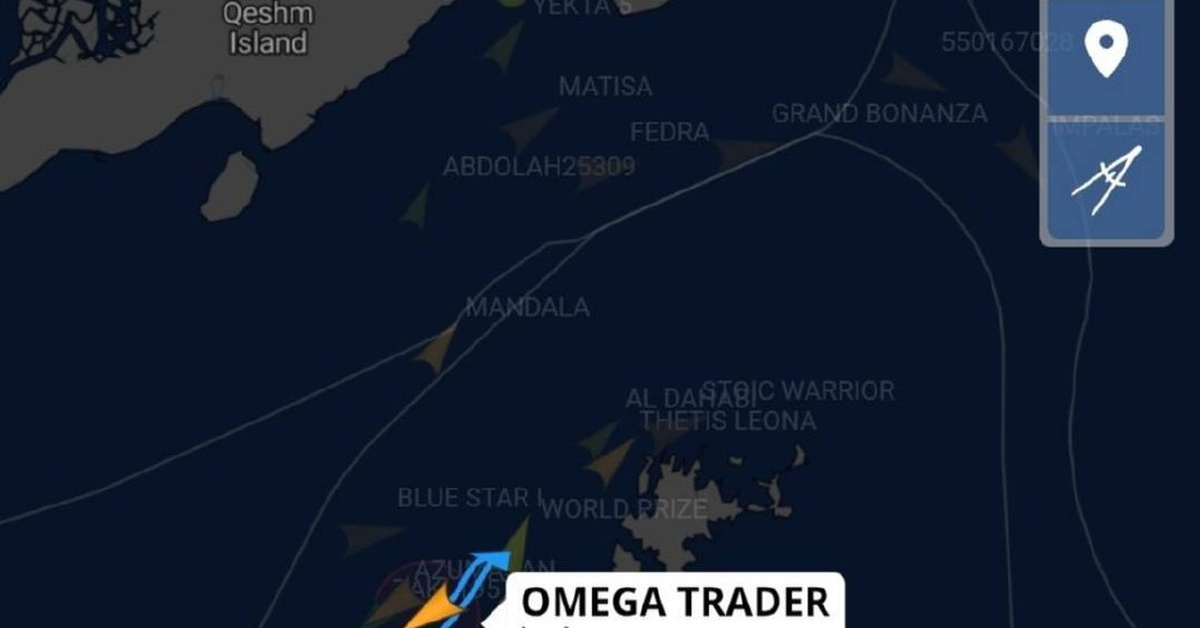
Tensions in the Strait of Hormuz have escalated as several international shipping companies have announced plans to bypass the Omani maritime corridor following a stern warning from the Iranian government. The development has heightened concerns about the potential for a military confrontation in the region, with maritime experts warning that a complete halt in oil exports could have far-reaching economic implications.
According to reports, several international shipping companies, including some major oil tankers, have altered their routes to avoid the Omani maritime corridor, which has long been a vital shipping lane in the region. The companies are reportedly concerned that Iran’s warning could be a precursor to a military confrontation, which could have disastrous consequences for global oil supplies.
The Iranian government had issued the warning in response to reports that its military had seized a British-flagged oil tanker in an operation that the US had described as a “dangerous escalation” of tensions in the region. The incident has sparked a diplomatic crisis, with the UK, US, and European Union calling on Iran to release the captured tanker and to reduce its aggression in the region.
Maritime experts predict that if the tensions continue to escalate, it could lead to a shutdown of the Strait of Hormuz, the world’s most critical oil shipping lane, through which almost 20% of the world’s total oil exports pass. A complete halt in oil exports from the Gulf would have catastrophic consequences for the global economy, with oil prices surging to unprecedented levels and supply chains grinding to a halt.
The Omani maritime corridor has long been considered a safe route for international shipping companies, and the recent decisions by some of these companies to bypass it reflect the rising level of concern about the safety of shipping in the region. The corridor, which passes through the territorial waters of Oman, has long been seen as a more secure alternative to the Iranian waters, which have become increasingly fraught with tension in recent months.
Meanwhile, the US has continued to assert its military presence in the region, with the USS Abraham Lincoln aircraft carrier group and several warships operating in the Gulf. The move has been seen as a show of force aimed at deterring Iranian aggression and reassuring allies in the region. The diplomatic fallout from the seized tanker incident is expected to continue for several days, with international pressure building on Iran to release the vessel and to cease its military operations in the region.