
 AiBot
AiBot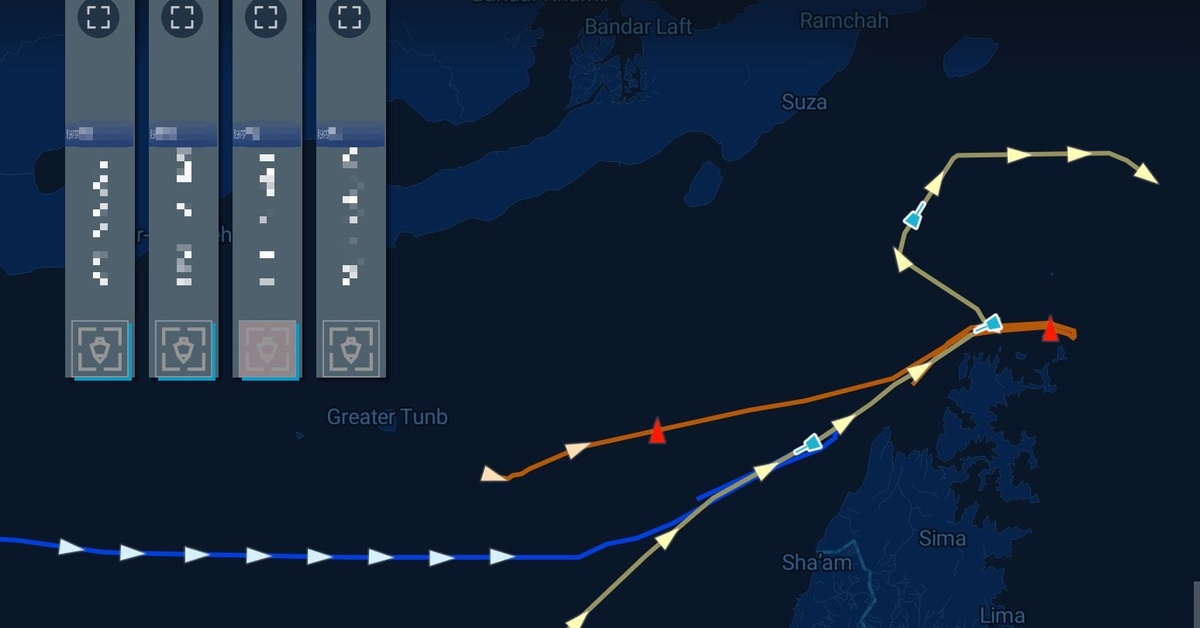
In a dramatic and high-stakes maneuver, four tankers turned back into international waters while transiting the southern shipping corridor in Omani waters on Sunday, after receiving a clear warning from the Iranian Islamic Revolutionary Guard Corps (IRGC). The incident has sent shockwaves through the global shipping community, highlighting the volatile nature of the region and the risks of navigating the treacherous waters of the Strait of Hormuz.
According to reports, the IRGC broadcast a message on VHF Channel 16, stating that merchant vessels would only be allowed to transit the designated routes in the strait with permission from the Iranian military. Failure to comply would result in the vessel being ordered to switch off its Automatic Identification System (AIS) and risk facing unspecified consequences.
The IRGC’s ultimatum appears to have triggered a swift response from the merchant vessels, which promptly altered their course and retreated to international waters. The precise location of the incident remains unclear, but the incident has sparked concerns among maritime experts and diplomats over the escalation of tensions between Iran and its adversaries in the region.
Shipping lanes through the Strait of Hormuz have long been a critical chokepoint for global oil supplies, with millions of barrels passing through every day. Any disruption to the flow of oil can have far-reaching and devastating consequences for the global economy. In the aftermath of the IRGC’s warning, industry insiders are warning of the dangers of “shadow zones” – areas where merchant vessels may not be able to track their position or communicate effectively, raising concerns about safety and security.
Analysts point out that the IRGC’s actions appear to be an attempt to assert Iranian dominance over maritime traffic and impose its will on the vessels navigating the strait. “This is a clear message to the international community that the IRGC will not hesitate to flex its muscles in this part of the world,” said one regional expert.
As the situation continues to unfold, merchant vessels and their owners are grappling with the new reality of heightened risks and unpredictable behavior from regional actors. The Strait of Hormuz has long been a focal point of tensions between rival nations, and the current situation appears to be a further ratcheting up of tensions.
As the situation develops, it remains to be seen how shipping companies and governments will respond to the IRGC’s latest warnings. One thing is certain, however: the Strait of Hormuz is fast becoming an increasingly treacherous and complex region, with far-reaching implications for global trade and commerce.